Advanced Hunting Gear: 9 Legal and Safety Checks Before You Buy
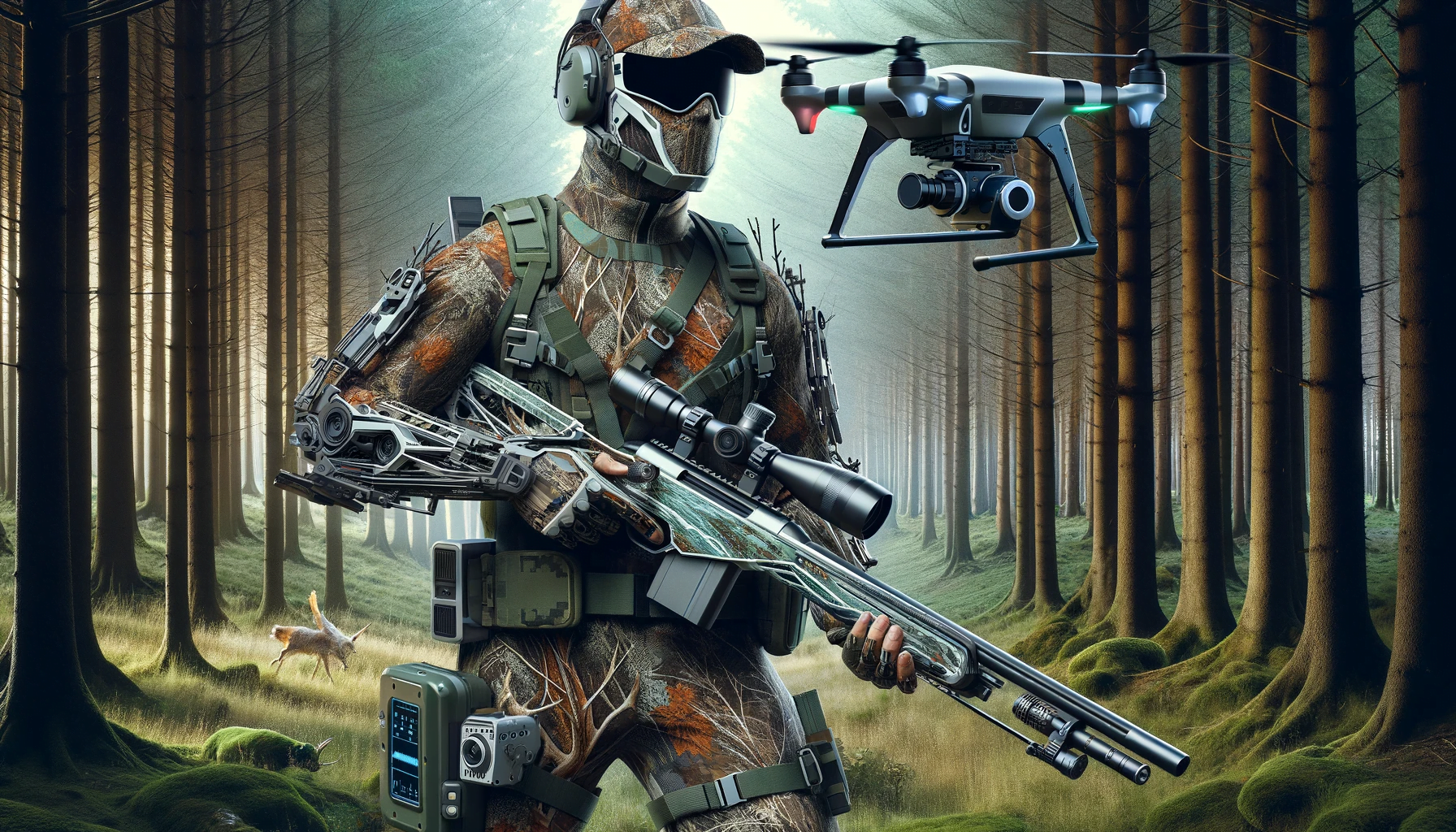
Advanced hunting gear can help with navigation, safety, weather planning, communication, and field observation, but it can also create legal, ethical, and safety problems when used without training. Before buying high-tech equipment, check your state rules, understand the device limits, and decide whether the gear supports fair-chase hunting in your area.
This guide explains advanced hunting gear as a decision checklist, not a product roundup. It does not recommend specific brands or affiliate products because those need a verified product source pack first.
Table of contents
- Quick Answer
- Legal Check Before Advanced Gear
- Navigation and Mapping Tools
- Communication and Emergency Devices
- Optics, Rangefinders, and Ballistic Tools
- Trail Cameras and Scouting Tech
- Drones and Aircraft Rules
- Clothing, Packs, and Power
- What Gear Cannot Replace
- Field Test Plan
- 9-Point Advanced Gear Checklist
- Related Guides
- FAQ
Advanced Hunting Gear: Quick Answer
Useful advanced gear usually solves one of five problems: finding your way, staying in contact, identifying game safely, managing weather, or handling emergencies. Gear becomes a problem when it encourages illegal scouting, unsafe shots, poor battery planning, or overconfidence.
Good upgrade reasons
Navigation backup, emergency communication, better low-light observation, weather preparation, and safer route planning are sensible reasons to upgrade.
Weak upgrade reasons
Buying gear because it looks tactical, promises shortcuts, or copies a video can waste money and create bad habits. Match each tool to a real field problem.
Check rules first
Some states restrict electronics, drones, trail cameras, night-vision gear, thermal devices, illuminated nocks, scopes, baiting, or communication use while hunting. Check current state wildlife regulations before using the device.
Legal Check Before Advanced Gear
Advanced equipment is often regulated by state, species, season, weapon type, and public-land rules. Do the legal check before buying, not after the box arrives.
Use official regulation pages
Start with your state wildlife agency. The U.S. Fish and Wildlife Service hunting page is a federal starting point, but state rules usually decide the details for equipment and seasons.
Read the device-specific rule
Do not assume a device is legal because it is sold in a hunting store. Drones, thermal optics, electronic calls, cellular cameras, lights, and rangefinding sights can be treated differently by state and season.
Keep proof of rules handy
If you hunt with newer technology, keep the current regulation source saved offline or printed. It can help you check details when rules are easy to confuse.
Navigation and Mapping Tools
Mapping apps, handheld GPS units, and offline maps are among the most useful technology upgrades because they support route planning, boundary awareness, and safer exits.
Download maps before leaving service
Offline maps matter in weak-signal areas. Save property boundaries, parking, water, roads, steep slopes, and the exit route before the trip.
Carry a backup
Battery-powered tools can fail. Carry a paper map, compass, or second navigation method. GPS.gov’s GPS basics page is a useful reference for understanding how satellite navigation works.
Mark legal boundaries carefully
Mapping apps can help, but they can also have boundary errors. When private land, public-land edges, or closed areas are close, confirm with official maps or landowner permission.
Communication and Emergency Devices
Phones, radios, satellite messengers, and personal locator beacons can improve safety when used as part of a trip plan.
Match the device to the area
A phone may work near roads. A radio may help a small group. A satellite messenger or beacon may be better for remote country. Test the device before the season and know its subscription or battery limits.
Share a route plan
Technology should support a written plan, not replace it. Someone at home should know your parking spot, route, hunting area, group members, and return time.
Use emergency signals responsibly
Emergency devices are for real trouble. Learn the difference between routine messaging, location sharing, and emergency activation before the trip.
Optics, Rangefinders, and Ballistic Tools
Optics and range tools can help with observation and distance decisions, but they do not make a shot ethical by themselves.
Binoculars first for observation
Binoculars let you observe without pointing a weapon. That can support safer identification, especially on public land or around livestock, roads, and other hunters.
Use rangefinders inside practiced limits
A rangefinder confirms distance. It does not solve wind, animal angle, rest quality, nerves, or poor practice. Use it inside the range you can repeat in field conditions.
Be careful with ballistic calculators
Ballistic tools depend on correct inputs, confirmed zero, ammunition data, weather, and real practice. They should be checked at the range before any hunting use.
Trail Cameras and Scouting Tech
Trail cameras can help hunters understand deer movement, access timing, and habitat use. They can also create legal and ethical questions, especially when cellular photos are used during active seasons.
Check camera rules by state and land type
Some states or properties restrict cameras, cellular transmission, placement timing, or camera use for taking game. Public land can have separate rules from private land.
Use cameras for learning habitat
Camera data is most useful when combined with tracks, wind, food, water, cover, and pressure. A camera does not replace woodsmanship.
Respect other hunters
Do not place cameras in ways that reveal another hunter’s setup, crowd access points, or create conflict on public land.
Drones and Aircraft Rules
Drones are one of the easiest technologies to misuse around hunting. They can violate wildlife rules, fair-chase expectations, privacy, and airspace rules.
Check hunting rules first
Many areas restrict drone use for locating, pursuing, or disturbing wildlife. Do not use a drone around a hunt unless current hunting regulations clearly allow the use you are considering.
Know FAA requirements
The FAA recreational drone flyer guidance explains federal basics for drone operators. Hunting rules are separate and may be stricter.
Avoid wildlife disturbance
Even when a flight seems legal, disturbing wildlife or other users can create problems. Keep drones away from active hunting, nesting areas, crowds, roads, and private property without permission.
Clothing, Packs, and Power
High-tech clothing and powered gear can help, but simple reliability matters more than features.
Prioritize weather protection
Good layers, rain gear, insulation, gloves, and boots often help more than electronics. The National Weather Service weather safety hub is useful before planning longer or colder trips.
Plan battery use
GPS, phones, cameras, headlamps, heated clothing, and satellite devices all need power. Carry spare batteries or a power bank, and protect batteries from cold.
Do not overload the pack
Advanced gear adds weight quickly. If a tool does not support safety, legal compliance, navigation, identification, or a clear field need, leave it out.
What Gear Cannot Replace
Technology can support hunters, but it cannot replace safe handling, legal knowledge, field judgment, patience, and practice.
Keep hunter education at the center
Hunter-ed’s firearm safety rules are a useful baseline for keeping gear decisions tied to safe behavior.
Practice with every device
Do not wait until opening morning to learn a rangefinder, app, radio, optic, or GPS. Practice in daylight and poor weather before the hunt.
Know when to leave gear unused
If a device makes the hunt less legal, less fair, less safe, or less respectful to other hunters, leave it in the truck or at home.
Field Test Plan
Do a short test before bringing advanced gear into a real hunt. A backyard test is not enough for tools that depend on weather, battery life, signal, glare, gloves, or low light.
Test in realistic conditions
Use the device with the gloves, pack, layers, weapon, and light conditions you expect during the season. A rangefinder that works well at noon may feel slower at dawn with cold hands.
Write down failure points
Track battery drain, confusing menus, weak signal, loose mounts, fogging, app crashes, and anything that slows safe decisions. Fix those problems before relying on the gear.
Keep the first hunt simple
When using a new tool for the first time in the field, keep the rest of the setup familiar. Changing too many items at once makes it hard to know what helped and what created problems.
9-Point Advanced Gear Checklist
Run every advanced hunting tool through this checklist before you buy it or bring it into the field.
- Is it legal for the state, species, season, and land type?
- Does it solve a real field problem?
- Have I practiced with it before the hunt?
- Does it need batteries, signal, subscription, or updates?
- Do I have a backup if it fails?
- Could it disturb wildlife or other hunters?
- Does it encourage shots beyond my practiced ability?
- Can I carry it without overloading the pack?
- Does it support safety and judgment instead of replacing them?
Related Guides
For a lower-tech foundation, read our beginner hunter gear upgrade guide, hunting survival gear checklist, and outdoor adventure hunting guide.
FAQ
Is advanced hunting gear worth buying?
It can be worth buying when it solves a clear safety, navigation, communication, observation, or weather problem. It is not worth buying just because it is new or expensive.
Are drones legal for hunting?
Drone rules depend on state hunting law, land rules, and FAA requirements. Many hunting uses are restricted or treated differently from ordinary recreational flying, so check current regulations first.
Can a rangefinder make longer shots ethical?
No. A rangefinder confirms distance, but ethical range still depends on practice, rest, wind, angle, animal movement, and the hunter’s ability to repeat the shot.
Should beginners use advanced hunting technology?
Beginners can use simple technology for safety and navigation, but they should first learn safe handling, local rules, scouting, and field judgment.
What advanced gear should hunters avoid?
Avoid gear that is illegal for the hunt, untested, too heavy, distracting, or likely to encourage unsafe shots or poor field judgment.