Night Vision Monocular Buying Guide + Top Picks
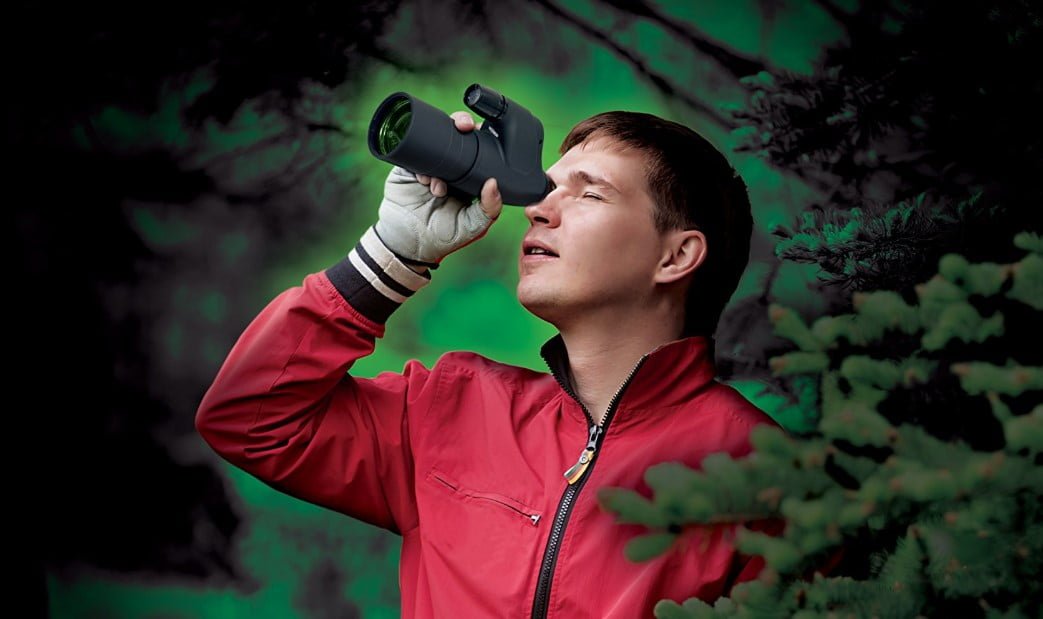
The best night vision monocular is the one that matches your actual use: scouting, camping, wildlife viewing, property checks, or legal hunting where night-vision equipment is allowed. Do not buy only by magnification or claimed range. Image quality, IR illuminator strength, battery life, focus control, and legal use matter more.
This updated guide is a night vision monocular buying checklist, not a current top-10 product ranking. Product specs and listings change often, and night-vision use can be regulated by location and activity. Verify the current product details and local rules before buying or using one.
Table of contents
Quick Answer
Choose a night vision monocular by image quality, detection distance, battery life, IR illuminator performance, field of view, weight, mounting options, and legal use. A compact unit is easier to carry, but a larger unit may offer better viewing comfort or controls.
| Best for scouting | Lightweight monocular with simple focus, decent IR, and good battery life. |
| Best for property checks | Easy handheld viewing, wide field of view, and simple controls. |
| Best for recording | Digital unit with photo/video storage and enough battery life. |
| Check first | Local laws, IR use, detection range, weather rating, batteries, and whether the unit is weapon-mountable. |
Top Picks (Verified In Stock)
These four night vision monoculars were checked directly against a live Amazon listing for title, spec, and stock status. They span budget digital, mid-range Bushnell, and true thermal, so match the pick to your image-quality and budget needs rather than buying on magnification alone.
Budget Digital: Night Vision Monocular with 8x Zoom
Best for: scouting and casual use on a tight budget.
This entry-level digital monocular uses an 850nm IR illuminator with 7 adjustable IR levels, a 1.3MP sensor, and 8x digital zoom. It ships with a rechargeable battery, a tripod, and a 32GB SD card for photo and video capture. Image quality trails the pricier picks below and detection range is short, so treat it as a scouting and casual-use tool rather than a serious identification device.
Best for Property Checks: Bushnell EX650 Digital Equinox X650
Best for: handheld property checks and simple day-or-night viewing.
Bushnell’s Equinox X650 pairs 3x optical magnification with up to 5x digital zoom, a built-in IR illuminator rated to roughly 650 feet, and microSD recording for both day and night footage. The compact handheld body and tripod-mount adapter make it an easy point-and-look option for checking a property line or a game trail without carrying a full night-vision rig.
Best for Recording and App Control: Bushnell Equinox Z2
Best for: buyers who want app-controlled recording and a longer viewing range.
The Equinox Z2 steps up to 6x magnification with a 50mm objective lens, a built-in IR illuminator rated for targets past 1,000 feet, and 1080p day-or-night video. It streams live to a paired mobile device, where you can control zoom, IR brightness, and recording directly from the app instead of the unit’s own buttons.
Best for True Identification: TOPDON TS004 Thermal Monocular
Best for: buyers who want thermal detection instead of an IR-illuminated digital image.
The TS004 is a true thermal-imaging monocular, not an IR-illuminated digital unit, with 256×192 thermal resolution, a 50Hz refresh rate, and roughly 11 hours of battery life from its 5000mAh battery. Thermal detects heat rather than reflected IR light, so it can spot warm targets through light brush and in conditions where a digital IR unit struggles, at a materially higher price than the picks above.
Note: This section replaces an earlier version of this guide that removed all product links after the original picks went dead. These four models were checked directly against a live Amazon listing for title, spec, and stock status as part of this update.
Digital vs Traditional Night Vision
Digital night vision uses a sensor and screen. It is common in budget monoculars, can often record photos or video, and may work in daylight if the manufacturer allows it. Traditional image-intensifier night vision uses tubes and is usually more expensive. It can perform better in very low light, but it needs more careful handling and product-specific knowledge.
Many affordable monoculars depend heavily on an infrared illuminator. That can be useful, but it also means the unit may not perform the same in every environment. Open fields, woods, fog, rain, and reflective objects can all change what you see.
Features That Matter
- Image clarity: resolution and sensor quality matter more than inflated range claims.
- IR illuminator: check brightness levels, beam spread, and battery drain.
- Magnification: too much magnification narrows field of view and makes handheld use harder.
- Focus control: close focus and objective focus should be easy to adjust in the dark.
- Battery type: proprietary rechargeable batteries need a charging plan; AA/CR123-style batteries need spares.
- Weather rating: rain and fog can quickly expose weak construction.
How to Read Range Claims
Night vision listings often use optimistic detection ranges. Detection means you can notice something is there. Recognition means you can tell what it is. Identification means you can make a responsible decision about it. Those are not the same.
For hunting or wildlife viewing, identification is the standard that matters. If you cannot clearly identify the animal, direction, background, and safe situation, the monocular has not given you enough information for a responsible decision.
Field Use and Battery Planning
Test the monocular before relying on it. Learn the buttons, focus, brightness, IR levels, and battery indicator at home. Carry spare batteries or a power plan. Cold weather can reduce battery performance, and recording video can drain power faster than basic viewing.
Also consider eye comfort. Some digital screens are bright in the dark and can affect your natural night vision. Lower brightness when possible and avoid shining IR toward people, roads, homes, or reflective surfaces.
Legal and Safety Notes
Night vision rules vary. Some places restrict night hunting, artificial light, infrared illumination, thermal devices, weapon-mounted optics, or use for certain species. Check current state wildlife rules and local laws before using a night vision monocular for hunting.
For general safe handling around firearms and shooting equipment, the NSSF safety resources are a useful baseline. A night vision device does not change muzzle safety, target identification, backstop awareness, or legal responsibility.
FAQ
Is a night vision monocular better than binoculars?
A monocular is lighter and easier to carry. Binoculars are more comfortable for longer viewing. Choose by how long you watch and how much gear you want to carry.
What magnification is best for night vision?
Moderate magnification is usually easier to use handheld. High magnification narrows field of view and makes shake more obvious.
Do I need an IR illuminator?
Many budget digital units rely on IR illumination. Check whether IR use is legal for your activity and whether the beam range matches your terrain.
Can I use night vision for hunting?
Only where it is legal for the species, season, and equipment setup. Check current state wildlife rules before use.
Which pick should a beginner buy?
Start with the budget digital monocular for casual scouting. Step up to the Bushnell picks for better range and recording, or the thermal monocular if you need real heat-signature detection.
Bottom Line
A good night vision monocular should give a clear enough image for your actual use, run long enough for the trip, and stay legal for the activity. Compare image quality, IR performance, battery plan, weather rating, and field of view before brand or magnification claims.