
Best Shooting Ear Plugs: Foam, Reusable, and Range Safety Guide
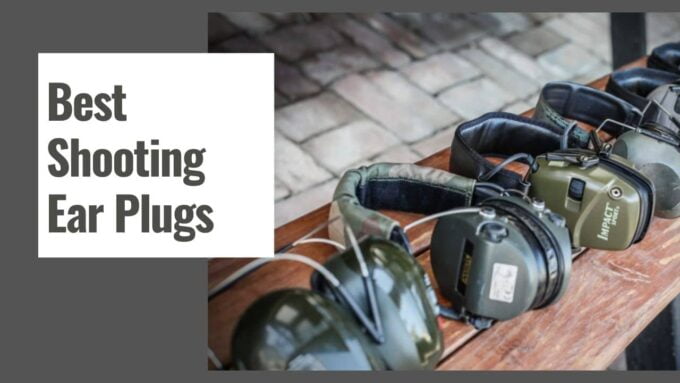
The best shooting ear plugs are the ones you will actually wear correctly on every shot, and the right pick depends on how loud your environment is, how well the plug seals in your ear, and whether you also need to hear range commands or game movement. For most shooters, a well-fitted foam plug rated around NRR 32 to 33 gives the highest paper protection for the lowest price, while filtered, custom-molded, and electronic plugs trade some of that raw number for comfort, reusability, or the ability to hear between shots.
This guide sorts ten current, in-stock options by role so you can match a plug to your shooting, not just chase the biggest number on the package. Especially, ear plugs are a must-have when you are firing off rounds in an indoor range, and normal conversation comes in at around 60dB while a firearm can reach 140dB. For a broader packing list, see our essential range gear checklist.
Choose shooting ear plugs by fit, comfort, NRR, durability, and whether you need filtered sound or full passive blocking. OSHA’s guidance on the Noise Reduction Rating and the CDC/NIOSH hearing-protection guidance are useful baselines for understanding fit and real-world protection.
Table of Contents
- Quick Picks Table
- How We Chose
- Reviews of the Best Shooting Ear Plugs
- 1. SureFire EP4 Sonic Defenders Plus
- 2. SureFire EP7 Sonic Defenders Ultra
- 3. SureFire EP10 Sonic Defenders Ultra Max
- 4. Decibullz Custom Molded Earplugs
- 5. Otis Technology EarShield Scout
- 6. Walker’s Silencer 2.0 Electronic Earbuds
- 7. Mack’s Covert Ops Soft Foam
- 8. TradeSmart Shooting Ear & Eye Protection Kit
- 9. Howard Leight MAX-1
- 10. Peltor Sport / 3M Tri-Flange
- How to Choose Shooting Ear Plugs
- Safety and Fit Notes
- Frequently Asked Questions
Quick Picks Table
Every rating below is the manufacturer’s labeled Noise Reduction Rating (NRR), which is a laboratory figure, not a guarantee of the protection you will get in the real world.
| Product | Type | Labeled NRR | Best for | Check price |
|---|---|---|---|---|
| SureFire EP4 Sonic Defenders Plus | Filtered, flanged, reusable | 24 | Hearing range commands while still blocking gunfire | Amazon |
| SureFire EP7 Sonic Defenders Ultra | Foam-tipped, filtered, reusable | 28 | More attenuation than the EP4 while staying low profile | Amazon |
| SureFire EP10 Sonic Defenders Ultra Max | Full-block foam, filtered, reusable | 30 | The highest passive NRR SureFire makes, with a case and lanyard | Amazon |
| Decibullz Custom Molded Earplugs | Moldable, reusable | 31 | A personal, repeatable seal for people foam never fits well | Amazon |
| Otis Technology EarShield Scout | Passive, collapsible, no batteries | 31 | A low-profile passive plug that will not interfere with cheek weld | Amazon |
| Walker’s Silencer 2.0 Electronic Earbuds | Electronic, in-ear | 24 | Hearing enhancement between shots with automatic suppression | Amazon |
| Mack’s Covert Ops Soft Foam | Disposable/foam | 32 | High attenuation in a shooting-branded foam plug | Amazon |
| TradeSmart Shooting Ear & Eye Protection Kit | Foam plugs plus safety glasses | 38 | The highest labeled NRR here, bundled with eye protection | Amazon |
| Howard Leight MAX-1 | Disposable/foam, bulk | 33 | Cheap, high-NRR protection you can stock in bulk | Amazon |
| Peltor Sport / 3M Tri-Flange | Flanged, corded, reusable | 26 | An affordable washable plug that lives in the range bag | Amazon |
How We Chose
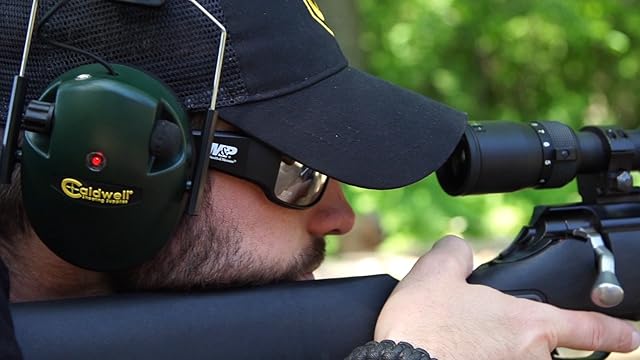
We did not lab-test these plugs. We built this list from manufacturer specifications, official product pages, and current retail listings, then cross-checked hearing-protection guidance from OSHA and CDC/NIOSH. Our filter was simple: the plug had to have a clear, sourced NRR, a fit style that suits real shooting use, and a role that a different plug on the list does not already fill. We deliberately left electronic earmuffs off this page, since this guide covers plugs specifically; see our broader shooting ear protection guide for muffs and double-up combinations. Where a product’s exact pack size, variant, or current offer was unclear, we verified it directly on the current Amazon listing rather than guessing.
Reviews of the Best Shooting Ear Plugs
Every product below is grouped by the job it does best. Foam plugs give you the most protection per dollar. Filtered and flanged plugs let you hold a conversation and still blunt the muzzle blast. Custom-molded plugs solve fit problems. Electronic plugs let you hear the range or the woods and then clamp down on the shot.
1. SureFire EP4 Sonic Defenders Plus
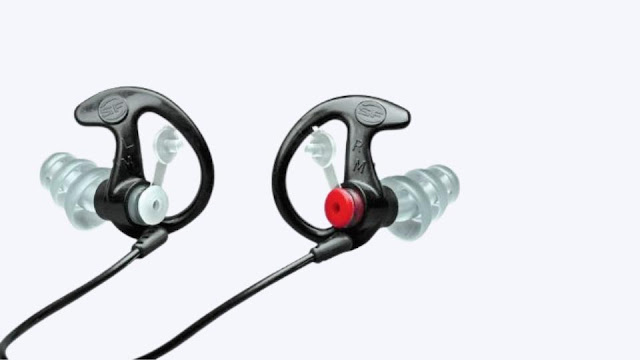
Best for: Shooters who need to hear range commands, coaching, or a hunting partner while still cutting the sharp peak of gunfire.
Key specs (from SureFire): Labeled NRR 24. Triple-flange stem with a soft, hollow design. Includes an attached, removable filter cap with EarLock retention. Washable, reusable, and low profile enough to fit under most earmuffs for double protection.
Pros
- The open-filter mode lets normal-volume speech through while still knocking down impulse noise.
- The flanged stem and EarLock ridges hold position better than plain foam during movement.
- Low profile enough to pair under muffs when you want to double up for louder calibers or indoor bays.
Cons
- NRR 24 is modest; big-bore rifle or long indoor-range sessions need more attenuation.
- Flanged plugs depend on picking the right stem size, or you quietly lose the rated protection.
Skip this if: you want the single highest-attenuation plug on this page for indoor pistol or magnum rifle work. Move to the EP10 or Howard Leight MAX-1, or plan to double up.
2. SureFire EP7 Sonic Defenders Ultra
Best for: Shooters who like the SureFire filtered concept but want more attenuation than the EP4 offers.
Key specs (from SureFire): Labeled NRR 28. Foam-tipped design that combines a compressible Comply Canal tip with the flanged, filtered SureFire body. Reusable and washable.
Pros
- The foam tip seals more aggressively than a bare flange, which is where the higher NRR comes from.
- Still keeps the SureFire filtered body, so you retain some ability to hear between shots compared with plain foam.
- A sensible step up when the EP4 does not feel like enough for your caliber or environment.
Cons
- The foam tip needs rolling and reinsertion like a foam plug, so it is slower to seat than the EP4’s flange.
- Size and color variants should be confirmed before you commit.
Skip this if: you want a fully open, conversation-first plug. The EP4 trades some of this plug’s blocking for easier hearing.
3. SureFire EP10 Sonic Defenders Ultra Max

Best for: Shooters who want SureFire’s highest passive Noise Reduction Rating without going electronic.
Key specs (from SureFire): Labeled NRR 30, the highest of any Sonic Defenders model. Full-block memory-foam Comply Canal tip design rather than the EP4/EP7’s open-filter body. Includes a lanyard and storage case. Only a few units were in stock at the time of this check, so confirm current availability before relying on this listing.
Pros
- The highest labeled NRR in the SureFire filtered lineup, useful for magnum rifles or loud indoor bays.
- Same EarLock retention and low-profile design as the EP4/EP7, so it still pairs under muffs.
- Comes with a case and lanyard included.
Cons
- Full-block design means less situational awareness than the EP4 or EP7.
- Stock has been limited on this listing; check current availability before counting on it.
Skip this if: you need to hold a conversation with the plugs in. The EP4 is built for that; this one is built for maximum passive blocking.
4. Decibullz Custom Molded Earplugs
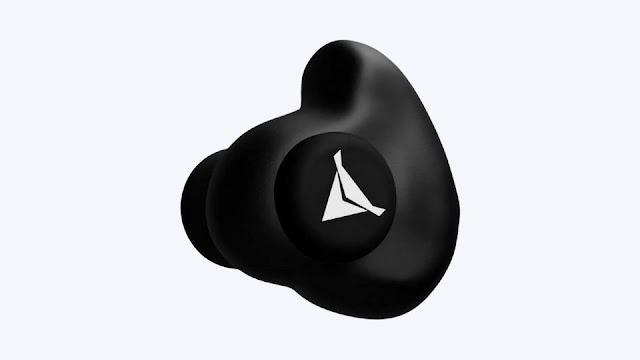
Best for: Shooters who have never gotten a reliable seal from off-the-shelf plugs and want a repeatable, personal fit.
Key specs (from Decibullz): Labeled NRR 31. Thermoplastic molds that you heat in hot water and shape to your own ear. Remoldable if the first fit is not right. Includes triple-flange tips in three sizes and foam tips.
Pros
- A custom mold can solve the fit problem that undermines every other plug, especially for unusual ear canals.
- Remoldable, so a bad first attempt is not a wasted purchase.
- Once molded well, the seal is consistent shot to shot.
Cons
- The molding process matters; a rushed mold gives a poor seal, so follow the official heating instructions.
- NRR 31 is strong for a reusable plug but still short of the highest foam numbers for the loudest indoor use.
Skip this if: you want something you can hand to a guest at the range with no setup. Custom molds are personal and are not a grab-and-go loaner.
5. Otis Technology EarShield Scout
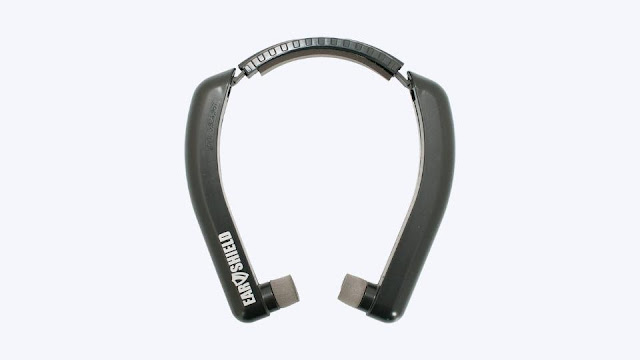
Best for: Hunters and sport shooters who want a passive, no-battery plug that will not interfere with cheek weld.
Key specs (from Otis Technology): Labeled NRR 31dB. Collapsible, lightweight passive design with no batteries required. Sits low enough to avoid stock interference on rifles and shotguns.
Pros
- No batteries to fail or replace in the field.
- Low-profile shape is built specifically to avoid interfering with a proper cheek weld.
- Collapsible design stores easily in a pocket or range bag.
Cons
- Purely passive, so it will not amplify range commands the way a filtered or electronic plug does.
- Smaller brand footprint than SureFire or Decibullz for finding replacement parts.
Skip this if: you need to hear conversation clearly between shots. The EP4 or Walker’s Silencer 2.0 handle that better.
6. Walker’s Silencer 2.0 Electronic Earbuds
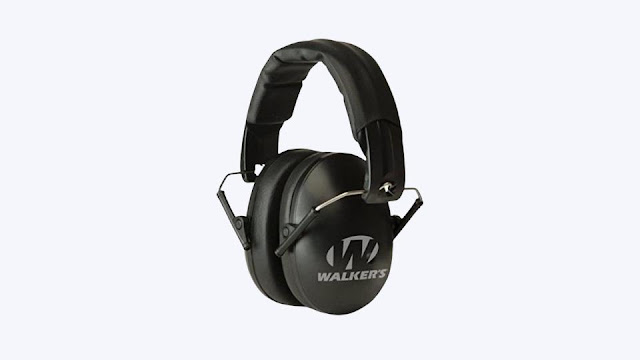
Best for: Shooters who want to hear conversation, range commands, or the field between shots, then have the plug suppress the muzzle blast automatically.
Key specs (from Walker’s): Labeled NRR 24. Electronic in-ear buds with sound amplification for ambient noise and automatic suppression of loud impulses. Rechargeable.
Pros
- Amplifies quiet ambient sound so you keep situational awareness, then clamps down on the shot.
- In-ear form factor is far lighter and less hot than electronic muffs.
- Rechargeable, so no constant battery swaps.
Cons
- NRR 24 means indoor high-volume shooters may still want to double up with muffs.
- Electronics add cost, charging, and failure points that passive plugs do not have.
Skip this if: you shoot mostly indoors with loud handguns and want the highest possible passive number. Consider the EP10 or Howard Leight MAX-1 instead.
7. Mack’s Covert Ops Soft Foam
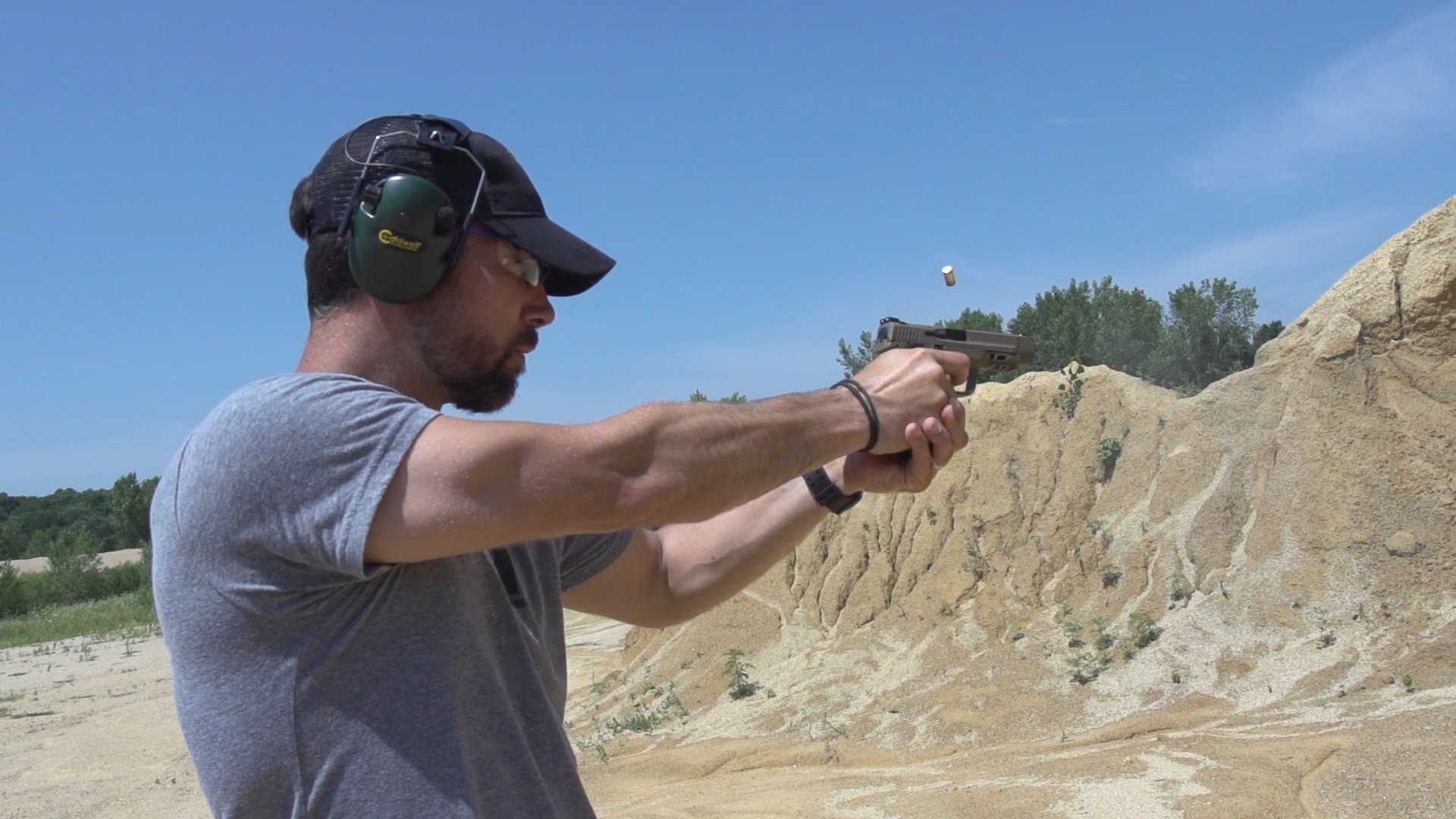
Best for: Shooters who want the high attenuation of foam in a plug designed and marketed specifically for shooting.
Key specs (from Mack’s): Labeled NRR 32. Soft, slow-recovery foam sized for shooting use, sold 50 pair per box. Disposable, though many shooters get several uses per pair before the foam loses recovery.
Pros
- NRR 32 puts this near the top of the passive protection range on this list.
- Slow-recovery foam expands to fill the canal when inserted correctly.
- Inexpensive per pair, so you are never tempted to reuse a worn-out plug.
Cons
- Foam blocks broadly, so you lose the ability to hear range commands or conversation clearly.
- Protection depends entirely on a proper roll-and-insert; a half-seated foam plug performs far below its label.
Skip this if: you need to hear the line officer or your hunting partner between shots. The EP4 or Walker’s Silencer 2.0 fit that job better.
8. TradeSmart Shooting Ear & Eye Protection Kit
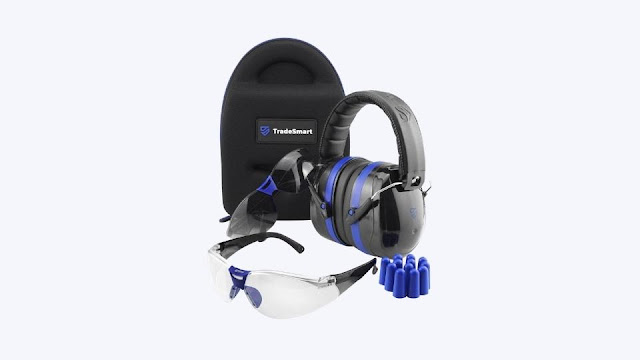
Best for: Shooters who want the highest labeled NRR on this page and would rather buy hearing and eye protection together.
Key specs (from TradeSmart): Labeled NRR 38, the highest figure in this guide. Foam earplugs bundled with anti-fog, scratch-resistant safety glasses and a carrying pouch.
Pros
- NRR 38 is the highest labeled figure on this page, useful for the loudest ranges and calibers.
- Bundling earplugs with safety glasses covers two range-bag essentials in one purchase.
- The included pouch keeps both items together instead of loose in a bag.
Cons
- It is a kit, not a standalone plug, so you are paying for glasses whether you need new ones or not.
- Foam-style plugs still block conversation broadly, the same tradeoff as any high-NRR foam.
Skip this if: you already own safety glasses you like and just want the plugs. A standalone foam pick like Howard Leight MAX-1 covers that need alone.
9. Howard Leight MAX-1
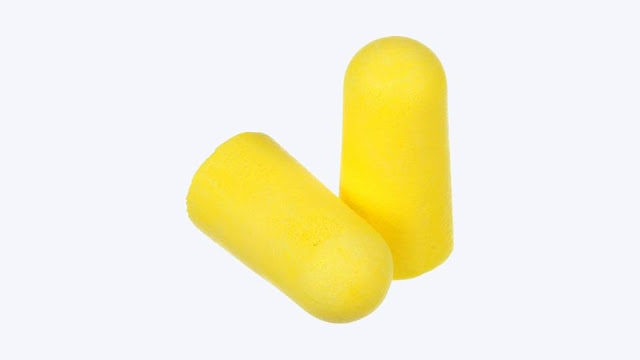
Best for: Shooters who want the cheapest high-NRR protection they can stock by the box for range bags, guests, and repeat sessions.
Key specs (from Howard Leight / Honeywell): Labeled NRR 33, among the highest passive figures available. Polyurethane foam with a contoured, self-adjusting shape, sold 200 pairs per box.
Pros
- NRR 33 is at the top of the passive scale, useful for loud indoor bays or magnum rifles.
- Bulk pricing means clean, fresh plugs every session and easy loaners for guests.
- The contoured shape is easy to insert for most ears.
Cons
- Not shooting-branded, and like all foam it blocks awareness broadly.
- A running supply of disposables is a different commitment than a single reusable plug.
Skip this if: you want a single reusable plug rather than a running supply of disposables. Try Decibullz or the Peltor Sport Tri-Flange.
10. Peltor Sport / 3M Tri-Flange
Best for: Shooters who want a washable, reusable plug that lives on a cord in the range bag without the cost of electronics or custom molds.
Key specs (from 3M / Peltor): Labeled NRR 26. Triple-flange reusable design on a cord so the pair stays together between uses, sold three pairs per pack. Washable.
Pros
- Reusable and washable, so the running cost is very low.
- The cord keeps the pair together and lets you hang them around your neck between strings.
- Flanged fit is quick to seat once you know your size, with no rolling required.
Cons
- NRR 26 sits below the high-foam options, so it is not your maximum-protection choice indoors.
- Flanged plugs need the right size to seal; a loose flange gives up its rating.
Skip this if: you want the highest attenuation number on the page or you want electronic awareness. This is a value reusable, not a maximum blocker.
How to Choose Shooting Ear Plugs
The right plug is a match between the noise you face and the fit you can achieve, not just the biggest number on the box. Start with three questions: how loud is your environment, do you need to hear between shots, and will you wear this plug correctly every time.
Understand what NRR actually tells you
OSHA’s guidance on the Noise Reduction Rating explains that the printed number comes from controlled lab testing and must be interpreted for your actual environment, which is why real-world protection is typically lower than the label. CDC/NIOSH makes the same point: fit and correct use drive the protection you actually get.
Match the type to the job
Foam gives the highest attenuation for the lowest price but blocks awareness broadly. Filtered and flanged plugs, like the SureFire EP4 and EP7, let you hear speech and still cut the impulse peak. Custom-molded and low-profile passive plugs solve fit and cheek-weld problems. Electronic in-ear plugs amplify ambient sound and suppress the shot, which suits coaching, hunting, and outdoor practice.
Consider doubling up for loud indoor use
CDC/NIOSH notes that for very loud or impulse-noise settings, wearing plugs and muffs together adds protection beyond either alone. Indoor pistol bays and magnum rifles are the classic case; see our guide to doubling up at indoor ranges for specifics.
Safety and Fit Notes
Hearing protection reduces risk; it does not make shooting safe by itself. Eye protection, safe gun handling, and range rules still apply. No earplug on this page eliminates the risk of hearing damage, and NRR figures are labels, not guarantees. If you have ringing, muffling, or any change in hearing after shooting, treat it as a sign to increase protection and consult a professional.
Frequently Asked Questions
Q: What NRR do I need for shooting?
A: For most range shooting, aim for a well-fitted plug in the high 20s to low 30s NRR, and consider doubling up with muffs for loud indoor bays or magnum calibers. Real-world protection is usually lower than the lab-tested label, so fit and correct insertion matter more than chasing the single highest number.
Q: Are foam or reusable plugs better for shooting?
A: Foam usually gives the highest attenuation for the lowest price, while reusable filtered or flanged plugs let you hear range commands and conversation between shots. Many shooters keep both: foam for loud days and filtered or electronic plugs when they need to hear.
Q: Can I hear range commands with earplugs in?
A: Yes, with the right type. Filtered plugs like the SureFire EP4 and electronic in-ear plugs like the Walker’s Silencer 2.0 are designed to pass normal-volume speech while suppressing gunfire. Plain foam blocks broadly, so it is harder to hold a conversation with foam correctly seated.
Q: Do I still need earplugs if I wear electronic muffs?
A: For loud indoor ranges and high-caliber shooting, many shooters add low-profile plugs under muffs for extra protection. CDC/NIOSH supports doubling up for very loud or impulse-noise environments. Outdoors with lighter calibers, a single well-fitted layer is often enough.
Q: How often should I replace foam earplugs?
A: Replace foam plugs when they stop expanding fully, feel stiff, or get dirty, and use a fresh pair if a plug will not seal. Reusable flanged and molded plugs should be washed per the maker’s instructions and replaced when the flanges tear or the mold no longer seals.
Q: What is the highest-NRR shooting ear plug on this list?
A: The TradeSmart Shooting Ear & Eye Protection Kit carries the highest labeled NRR at 38dB, followed by the Howard Leight MAX-1 at 33dB and Mack’s Covert Ops at 32dB. Higher NRR generally means less situational awareness, so match the number to how loud your environment actually is.
Final Recommendation
For the highest protection at the lowest price, keep a box of high-NRR foam such as the Howard Leight MAX-1 or Mack’s Covert Ops in your range bag and learn to insert it correctly. If you need to hear commands or the field between shots, the SureFire EP4 covers awareness and the EP7 or EP10 add more attenuation, while the Walker’s Silencer 2.0 handles the electronic route for coaching and hunting. If foam never seals for you, the Decibullz custom mold or the Otis EarShield’s low-profile passive design are worth a look. And if you want the highest labeled number here plus eye protection in one purchase, the TradeSmart kit covers both. Whatever you choose, the plug you seat correctly on every shot beats the one with the bigger number worn loosely.




Very good content, specially for hunters.