10 Best Kids Sunglasses
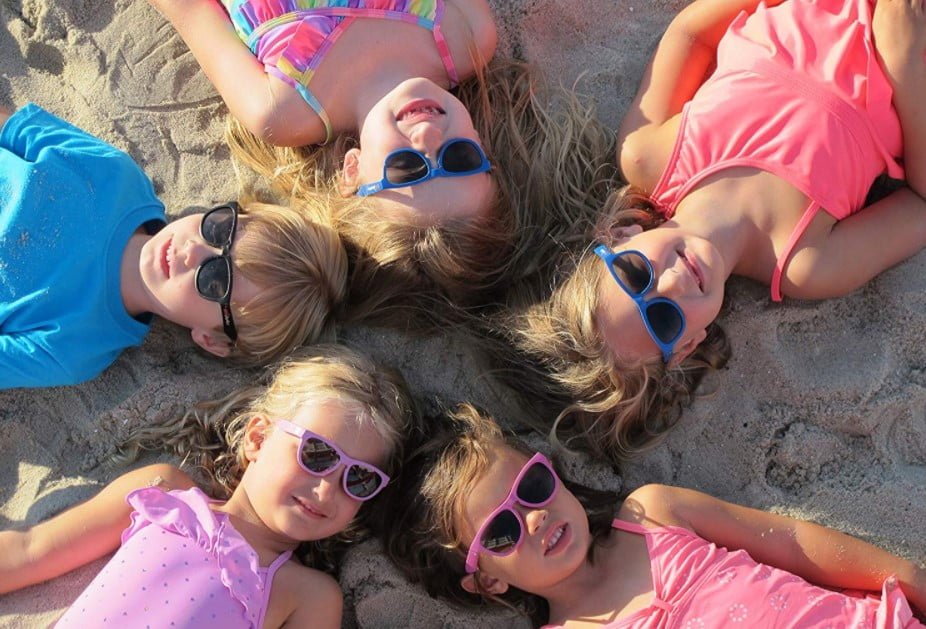
Kids who spend their weekends at the shooting range, in a hunting blind, or hiking a dusty trail with the family need sunglasses that do more than look good in photos. Glare off open ground, water, and snow is intense during long outdoor days, and a pair of sunglasses that slides off, pinches, or cracks the first time a kid drops them is not doing its job.
The pairs below were chosen with that kind of active, outdoor use in mind: polarized lenses that cut glare, UV protection that is clearly labeled rather than assumed, and frames flexible or durable enough to survive being sat on, stepped on, or knocked around a truck bed. Every pick links straight to its current Amazon listing so you can check real-time availability, sizing, and color options before you buy.
Below you will find a quick comparison table, a short explanation of how these were chosen, a detailed breakdown of each pair, a buying guide covering UV protection, polarization, fit, and sizing, and an FAQ section answering the questions parents ask most often.
Table of contents
- Quick picks table
- How we chose these
- 1. RIVBOS RBK004 Polarized Kids Sunglasses
- 2. FEISEDY TR90 Polarized Sports Sunglasses
- 3. AZorb Flexible TPEE Kids Sunglasses
- 4. VATTER Polarized Sports Sunglasses
- 5. Pro Acme Polarized Youth Sunglasses
- 6. DUCO DK268 Youth Wrap Sunglasses
- 7. DYLB 3 Pack Flexible Kids Sunglasses
- 8. COASION Flexible Kids Sunglasses
- 9. Vcarsian Polarized Baseball Sunglasses
- 10. TURBOPEP 3 Pack Youth Sunglasses
- Buying guide
- Frequently asked questions
- Final recommendation
Quick Picks Table
| Product | Best For | Standout Feature | Check Price |
|---|---|---|---|
| RIVBOS RBK004 | Toddlers and younger kids who need a strap | Soft rubber frame with adjustable retention strap | Check Price |
| FEISEDY TR90 | Baseball, cycling, and general sports | TR90 frame with TAC polarized, wrap-around coverage | Check Price |
| AZorb Flexible | Ages 3 to 8, everyday outdoor play | Bendable TPEE rubber frame, TAC polarized lens | Check Price |
| VATTER Sports | Active kids who need a secure strap fit | Flexible frame with strap, UV400 lenses | Check Price |
| Pro Acme Youth | Ages 3 to 12, budget-friendly durability | Polarized lenses, strap included, wide color range | Check Price |
| DUCO DK268 | Ages 8 to 16, serious outdoor sports use | 22 gram wrap frame, TAC polarized, case included | Check Price |
| DYLB 3 Pack | Families who want backups on hand | Three flexible polarized pairs with straps, ages 3 to 10 | Check Price |
| COASION Flexible | Ages 3 to 9, lightweight everyday wear | TPEE rubber flexible frame, UV protection | Check Price |
| Vcarsian Baseball | Ages 3 to 12, baseball and softball style fit | Polarized wrap goggles-style lens, lightweight build | Check Price |
| TURBOPEP 3 Pack | Ages 3 to 12, multiple kids or quick replacement | Three polarized sport pairs, UV protection goggles style | Check Price |
How We Chose These
Every pair on this list had to clear a few basic checks before it earned a spot. We were not interested in dark novelty lenses with no real eye protection behind them.
- Polarized lenses or clear UV400 protection labeling on the actual Amazon listing, not just implied by dark tint.
- Frame material built for movement: flexible rubber, TPEE, or TR90 rather than brittle acetate that snaps under normal kid abuse.
- A fit system suited to active use, whether that is an adjustable strap for younger kids or a wraparound temple design that stays put while running.
- Coverage across a useful age range, from toddlers who need a strap to school-age and preteen kids who want a sportier look.
- A meaningful volume of verified Amazon customer ratings, so the pick reflects real-world durability and not just marketing copy.
We verified each listing directly on Amazon at the time of writing to confirm the product was live, in stock, and matched its stated specs. Availability and colorways can shift, so always check the current listing before buying.
1. RIVBOS RBK004 Polarized Kids Sunglasses
Best for: toddlers and young kids who need a strap to keep sunglasses from disappearing on car trips, playgrounds, and outdoor family outings.
Key specs (from Amazon product listing):
- Frame: soft, flexible rubber-style TPE construction
- Lens: polarized, UV400 rated, listed as blocking UVA, UVB, and blue light
- Retention: adjustable strap included, sized for younger faces
- Sold in multiple color and lens combinations
Pros
- Genuinely bendable frame that resists snapping under normal handling
- Strap keeps the glasses attached during active play
- Large verified review base with a strong overall rating
- Budget-friendly enough to buy more than one color
Cons
- Some reviewers report the hinge area can loosen or pinch small fingers with rough handling
- Sizing runs generous, so very young toddlers may find them loose without the strap cinched down
- Not built for high-impact sports beyond casual outdoor play
Skip this if: your child needs a frame rated for high-impact sports rather than everyday outdoor wear, or you want one pair that fits from toddler through the school-age years without swapping sizes.
2. FEISEDY TR90 Polarized Sports Sunglasses
Best for: kids who play baseball, softball, or ride bikes and need a wraparound frame that will not slide off mid-swing.
Key specs (from Amazon product listing):
- Frame: TR90 lightweight sport frame
- Lens: TAC polarized, listed as blocking 100 percent UVA and UVB
- Design: wraparound shield style built for baseball, softball, cycling, and running
Pros
- TR90 frame material flexes rather than cracking on impact
- Wraparound shape blocks side glare well, useful for early mornings outdoors or near water
- Polarized TAC lens cuts glare off dirt, water, and pavement
Cons
- Sport wraparound shape is more athletic in style, so kids who want a casual look may prefer a rounder frame
- No strap included, which matters more for younger kids than school-age ones
Skip this if: you want a strap-equipped pair for a toddler, or your child prefers a classic rounded frame over a sport-shield look.
3. AZorb Flexible TPEE Kids Sunglasses
Best for: ages 3 to 8 who need genuinely bendable frames for everyday outdoor play, camping trips, and beach or range days.
Key specs (from Amazon product listing):
- Frame: bendable TPEE rubber
- Lens: TAC polarized, UV400 rated
- Marketed for beach, cycling, and daily outdoor activities
Pros
- Strong review volume with a high average rating
- Rubber frame tolerates twisting and sitting-on without cracking
- Polarized lens is a step up from the plain tinted lenses common at this age range
Cons
- Sized for younger kids, so it will not fit school-age or preteen faces well
- No case included in the base listing, so lenses can pick up scratches in a backpack without one added separately
Skip this if: your child has already outgrown toddler-sized frames, since the fit is built around the 3 to 8 age range specifically.
4. VATTER Polarized Sports Sunglasses
Best for: active kids who need a strap-secured, flexible pair for running around outdoors without losing them.
Key specs (from Amazon product listing):
- Frame: flexible sport frame designed for outdoor youth use
- Lens: UV400 protection
- Retention: strap included for a secure fit during activity
Pros
- Flexible frame construction holds up to normal outdoor abuse
- Strap keeps the glasses on during running, biking, and playground use
- Straightforward UV400 protection without unnecessary styling
Cons
- Listing does not emphasize a specific lens material spec the way some competitors do, so check the current listing for details
- Fewer color options than some other picks on this list
Skip this if: you want a documented lens material spec sheet before buying, rather than a general UV400 and polarized claim.
5. Pro Acme Polarized Youth Sunglasses
Best for: parents outfitting more than one child across a wide age range without needing multiple different products.
Key specs (from Amazon product listing):
- Frame: youth sport frame with strap
- Lens: polarized
- Age range: approximately 3 to 12, with multiple color options
Pros
- Wide age coverage means one listing can work for siblings of different ages
- Large number of verified ratings
- Strap and frame are built with active use in mind rather than pure fashion
Cons
- With a wide age range covered across variants, correct sizing depends on picking the right listed option for your child
- Frame styling is simple rather than sport-branded
Skip this if: you want a frame explicitly shaped for one sport like baseball or cycling rather than a general-purpose youth frame.
6. DUCO DK268 Youth Wrap Sunglasses
Best for: ages 8 to 16 in serious outdoor sports, cycling, hiking, or long days outside where lightweight comfort matters.
Key specs (from Amazon product listing):
- Weight: 22 grams
- Lens: TAC polarized, listed as 100 percent UV protection
- Frame: lightweight wraparound sport shield; lens width approximately 64mm, lens height approximately 50mm, bridge width approximately 17mm
- Includes a woven zippered case
Pros
- Exact listed measurements make it easier to judge fit before buying
- Genuinely lightweight at 22 grams, which matters for kids who complain about heavy sunglasses
- Includes a case, useful for trips to the range, trail, or campsite
Cons
- Sized for ages 8 to 16, so it runs too large for toddlers and younger school-age kids
- No strap option, so very active younger kids may still need to hold onto them
Skip this if: you are shopping for a child under about 8 years old, since the frame is specifically sized for older kids and teens.
7. DYLB 3 Pack Flexible Kids Sunglasses
Best for: families who want backups on hand for lost or broken pairs, or multiple kids ages 3 to 10 sharing similar sizing.
Key specs (from Amazon product listing):
- Frame: flexible construction across all three included pairs
- Lens: polarized
- Retention: strap included on each pair
- Age range: approximately 3 to 10
Pros
- Three pairs means a lost or broken pair does not end the season
- Flexible frames across the set hold up to toddler and early school-age handling
- Straps included on every pair rather than sold separately
Cons
- Buying a multi-pack means less choice over an individual color or style match
- Quality control on bundled sets can vary slightly pair to pair, so inspect each one on arrival
Skip this if: you only need a single pair and would rather put the budget toward one higher-spec pair like the DUCO DK268 or FEISEDY TR90 above.
8. COASION Flexible Kids Sunglasses
Best for: ages 3 to 9 who need a lightweight everyday pair for beach, travel, and outdoor play.
Key specs (from Amazon product listing):
- Frame: TPEE rubber, flexible and lightweight
- Lens: UV protection
- Marketed for summer, beach, outdoor, and travel use
Pros
- Lightweight rubber build is comfortable for extended wear during long outdoor days
- Flexible frame resists cracking when kids sit on or step on them
- Simple, affordable option for younger kids
Cons
- Listing emphasizes general UV protection rather than a specific polarized TAC lens spec
- Sized for younger kids only
Skip this if: your child specifically needs polarized glare reduction for boating, fishing, or snow days rather than general sun protection.
9. Vcarsian Polarized Baseball Sunglasses
Best for: ages 3 to 12 who want a sporty, wraparound baseball or softball style fit.
Key specs (from Amazon product listing):
- Frame: lightweight wraparound goggle-style sport frame
- Lens: polarized, UV protection
- Marketed for softball, cycling, running, and general youth sport use
Pros
- Wraparound goggle shape gives strong side coverage, useful for glare off open fields or water
- Lightweight build suits long practices or full days outdoors
- Polarized lens is a genuine upgrade over plain tinted sport shades
Cons
- Sport-shield styling will not suit kids who want a more casual, rounded frame
- No strap included, so younger kids in the lower part of the age range may need one added separately
Skip this if: your child wants a classic rounded frame rather than a wraparound sport-goggle look.
10. TURBOPEP 3 Pack Youth Sunglasses
Best for: ages 3 to 12, families who want multiple polarized pairs on hand for the range, the trail, and everyday play at once.
Key specs (from Amazon product listing):
- Frame: sport-style youth frame across all three included pairs
- Lens: polarized, UV protection
- Style: baseball-inspired goggle shape
- Age range: approximately 3 to 12
Pros
- Three pairs at once means one for the truck, one for the range bag, and one spare
- Polarized lenses across the whole set rather than just a single top pick
- Strong overall customer rating with a large review base
Cons
- As with any multi-pack, individual fit can vary slightly by color or size variant, so check the current listing for size options
- Styling is sport-generic rather than built around one specific activity
Skip this if: you want a single, higher-spec pair rather than a multi-pack, or your child needs the specific sizing precision of the DUCO DK268 above.
Buying Guide: Kids Sunglasses for the Range, the Field, and the Outdoors
Sunglasses are not only a fashion accessory. They cut bright glare and help protect eyes from ultraviolet exposure, and kids at a shooting range, hunting camp, ball field, or lake trip often spend hours outside in that exposure without much shade.
UV Protection: What the Label Should Actually Say
Look for a clear UV400 or 100 percent UVA/UVB protection statement on the listing itself. Do not assume dark lenses protect better. A very dark lens with no stated UV rating can be a worse choice than a lighter lens that actually blocks UV light, since the darkness alone tells you nothing about protection.
Why Polarization Matters for Kids Outdoors
Polarized lenses cut glare bouncing off water, snow, pavement, and open dirt or gravel, which is exactly the kind of glare kids run into on the range, at the lake, or in a hunting blind at sunrise. It is not a safety requirement on its own, but paired with genuine UV protection it makes bright days more comfortable and reduces squinting and eye strain during long outdoor stretches.
Frame Fit and Durability for Active Kids
Kids drop, bend, and sit on things. Frame material matters as much as the lens. Polycarbonate and TR90 style plastics are commonly used where impact resistance and light weight both matter, and rubber or TPEE frames flex instead of snapping when a child steps on them. The bridge should not pinch the nose, and the temples should not squeeze behind the ears. If sunglasses hurt, kids take them off within minutes.
A strap or retention cord helps toddlers and very active kids the most. It should hold the glasses in place without pulling on the ears or becoming annoying during play. For broader context, eye protection covers many different designs depending on the hazard involved; everyday sunglasses handle sun and glare, and they are not a substitute for dedicated shooting or sport-specific protective eyewear when impact risk is the primary concern.
Getting the Age and Size Right
Frame sizing is where most kids sunglasses purchases go wrong. A pair built for a toddler will sit loosely and slide on a ten-year-old, and a youth sport frame built for ages 8 to 16 will swallow a five-year-old’s face. Check the age range and, where available, the exact lens width and bridge measurements listed on the product page rather than relying on the marketing title alone. When in doubt between two sizes, the pair with an adjustable strap gives more forgiveness than a rigid frame with no retention option.
- Check that the lenses cover the eyes without resting on the cheeks.
- Make sure the frame does not pinch the nose or squeeze behind the ears.
- Ask the child to look down, run in place, or move around to see if the glasses slide.
- Check for side gaps if the sunglasses will be used on water, snow, or bright open ground like a range or field.
- Choose a style the child is willing to wear consistently.
- Use a case or pouch so lenses do not get scratched in a range bag or backpack.
- Replace sunglasses when lenses are badly scratched or the frame no longer fits.
Frequently Asked Questions
Q: Do kids really need sunglasses at the range or outdoors?
A: Yes. Kids spend long stretches in bright, open conditions at a shooting range, hunting camp, ball field, or lake, and good sunglasses reduce glare and help protect the eyes from UV exposure during that time.
Q: Are polarized lenses better than regular tinted lenses for kids?
A: Polarized lenses cut glare from water, dirt, pavement, and bright open ground more effectively than plain tinted lenses. UV protection still matters most, but polarization adds real comfort during long outdoor days.
Q: Are darker lenses automatically better protection for kids?
A: No. UV protection labeling matters more than how dark a lens looks. A dark lens with no stated UV rating can still let harmful rays through while making it harder for a child to see clearly.
Q: What frame material holds up best for active kids?
A: Flexible rubber, TPEE, and TR90 style frames tend to bend instead of snapping when a child sits on or drops them. For rougher use, look for a listing that specifically markets the frame as bendable or shatterproof.
Q: How do I pick the right sunglasses size by age?
A: Check the age range and, when listed, the exact lens width and bridge measurements on the product page rather than the title alone. A pair with an adjustable strap gives more sizing forgiveness than a rigid frame without one.
Q: Do younger kids need a strap on their sunglasses?
A: A strap helps most with toddlers and very active younger kids, since it keeps the glasses from sliding off or getting lost during play. School-age kids with a snugger sport frame can often go without one.
Q: How do I get my child to actually wear their sunglasses?
A: Let the child help pick a comfortable style they like, keep the fit gentle rather than tight, and use them consistently during outdoor routines. A pair a child likes and finds comfortable gets worn far more often than one chosen on looks alone.
Q: When should I replace a pair of kids sunglasses?
A: Replace them once the lenses are badly scratched, the frame no longer holds its shape, or the child has clearly outgrown the fit, since a loose or scratched pair stops doing its job even if it still looks intact.
Final Recommendation
For most families, the RIVBOS RBK004 is the easiest starting point for toddlers and younger kids thanks to its flexible frame and strap, while the DUCO DK268 stands out for school-age kids and preteens who need a lightweight, precisely sized wraparound frame with a case included. If you would rather not commit to one pair, the DYLB or TURBOPEP multi-packs give you backups in the bag at the range, the field, or the trail without a second trip to reorder.
Whichever pair you choose, confirm UV protection is clearly stated, check that the frame material fits how your child actually plays outside, and get the fit right for their age before heading out. A comfortable pair with real protection will get worn far more than a stylish pair left behind in a bag.