Hunting Gear Checklist: What to Pack Before You Go
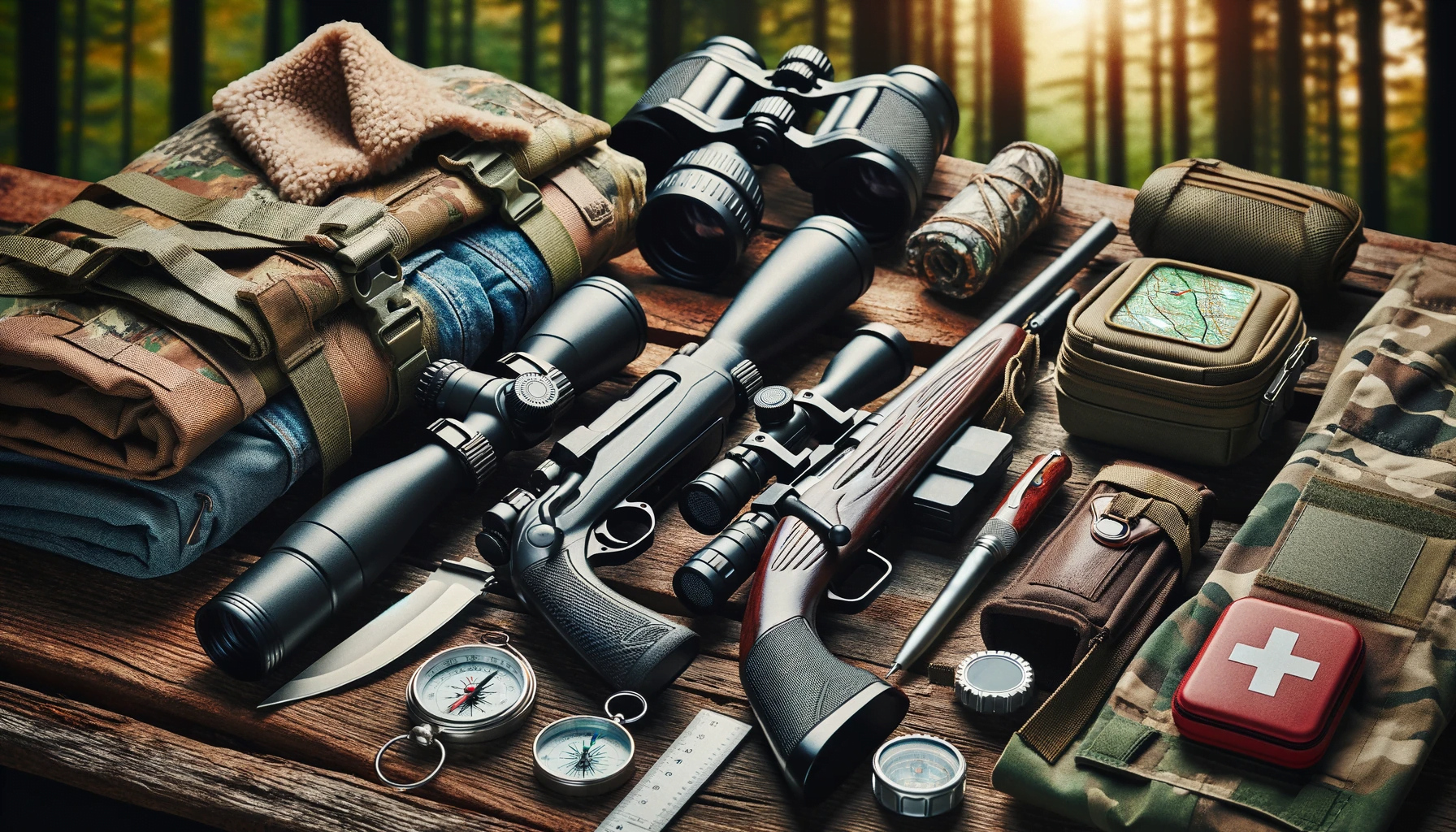
A successful hunt starts with the right gear for the season, the terrain, the law, and your own limits. At minimum, pack your license and tags, legal weapon and ammunition or arrows, navigation, water, weather layers, first aid, emergency shelter, light, knife, game bags, and a simple way to signal or call for help.
This checklist is built for practical field use, not for buying more gear than you need. Adjust it for your state regulations, target species, hunt style, and weather forecast. A day hunt close to the truck needs less than a cold backcountry hunt, but the core idea is the same: carry what keeps you legal, safe, dry, oriented, and able to recover game cleanly.
Table of Contents
Quick Answer
For most hunters, the essential gear list includes a valid license and tags, legal hunting implement, ammunition or arrows, blaze orange where required, knife, game bags, water, food, first-aid kit, headlamp, map, compass or GPS, phone or satellite messenger, fire starter, rain layer, insulation layer, gloves, hat, and a pack that carries it all securely.
If you are hunting public land, double-check local access rules, road closures, weapon restrictions, blaze-orange requirements, and season dates before you leave. The U.S. Forest Service hunting guidance is a useful reminder that hunters must follow state laws and that some public areas can have local restrictions.
Before You Pack
Do the boring checks first. They save more hunts than any gadget. Confirm the season, unit, legal shooting hours, tag rules, access permission, and weapon rules for the exact place you plan to hunt. If you cross from public land to private land by mistake, or carry the wrong ammunition for a regulated area, the rest of your gear list does not matter much.
- License and tags: keep them dry and easy to reach.
- Regulations: save an offline copy or carry a printed summary for your unit.
- Land access: confirm boundaries, parking, gates, easements, and private-land permission.
- Weather: check wind, rain, temperature swings, fire danger, and road conditions.
- Hunt plan: tell someone where you are going, who is with you, and when you expect to return.
A quick gear inspection also belongs here. Check optics, batteries, broadheads, ammunition, bow strings, sling screws, boot laces, pack buckles, safety harnesses, and anything else that could fail quietly until you are already in the field.
Core Hunting Gear Checklist
| Category | Pack these first | Why it matters |
|---|---|---|
| Legal | License, tags, ID, permission notes, regulation summary | Keeps the hunt lawful and avoids confusion at check stations or boundaries |
| Weapon setup | Rifle, shotgun, bow, crossbow, ammunition, arrows, release, sling, case as required | Your main equipment must match the season and be inspected before the hunt |
| Safety | First aid, orange where required, emergency blanket, whistle, fire starter | Handles common injuries, visibility, and unexpected delays |
| Navigation | Map, compass, GPS or offline app, spare power | Prevents wrong turns and helps you stay inside legal hunt boundaries |
| Weather | Rain shell, insulation, gloves, hat, spare socks | Manages sweat, wind, rain, and temperature drops |
| Game care | Knife, sharpener, game bags, gloves, cord, flagging tape | Helps recover, dress, cool, and pack out game cleanly |
Use the table as the base list. From there, add species-specific items: calls and decoys for turkey or waterfowl, a haul rope and harness for treestand hunting, waders for marshes, or extra glassing layers for open-country hunts.
Clothing and Footwear
Clothing should keep you quiet, dry, visible when required, and comfortable enough to stay focused. The best system is usually layers: a moisture-managing base layer, an insulating midlayer, and a weather shell. Cotton can feel fine at the truck, but once it is wet with sweat or rain it dries slowly and can make cold conditions worse.
Boots and socks
Boots should match the terrain more than the catalog description. Choose stiff support for steep country, insulation for long cold sits, and waterproofing for wet grass, snow, or marsh edges. Bring spare socks on longer hunts. A dry pair can save your feet, and your attitude, after a creek crossing or sweaty climb.
Visibility and camouflage
Camouflage can help with movement and outline, but safety visibility comes first where blaze orange or another color is required. Do not guess. Check your state rules for the required amount, placement, and seasons. In mixed-use areas, being visible to other hunters and hikers is part of responsible fieldcraft.
Safety and Emergency Items
Safety gear is not just for deep wilderness. Slips, cuts, weather changes, dead batteries, and wrong turns happen close to roads too. The Forest Service recommends checking weather, telling someone your plan, carrying map and compass, dressing for bad conditions, and bringing survival basics for an unexpected night out.
- First-aid kit: include bandages, gauze, tape, blister care, pain reliever, personal medication, and a trauma bandage if you know how to use it.
- Emergency shelter: a lightweight bivy, space blanket, tarp, or compact poncho can block wind and rain.
- Fire kit: carry more than one method, such as a lighter and waterproof matches, plus tinder.
- Signal gear: whistle, mirror, high-visibility panel, and charged phone or satellite messenger.
- Tree safety: if you use a treestand, inspect straps, steps, harness, and lifeline before each hunt.
For cold-weather hunts, know the signs of hypothermia. The CDC notes that hypothermia can happen even above freezing when rain, sweat, or cold water chill the body. Pack dry layers and do not ignore shivering, confusion, clumsy hands, or exhaustion.
Navigation, Communication, and Light
A phone map is useful, but it should not be your only navigation plan. Download offline maps before you lose service, carry a paper map or printed access map, and know how to use a compass. Mark the truck, trailhead, property boundary, stand location, and last blood if you are tracking.
Bring a headlamp even for a morning hunt. Hands-free light is easier and safer than holding a flashlight while climbing, field dressing, reading a map, or packing out. Keep spare batteries in a dry bag, and check that the light did not turn on inside your pack.
For remote hunts, consider a satellite messenger or personal locator beacon. It is not a replacement for judgment, but it can matter when a simple problem becomes a long walk, a broken ankle, or a night you did not plan to spend outside.
Field Care and Recovery Gear
Game recovery gear should be ready before the shot. A sharp knife, disposable gloves, game bags, cord, flagging tape, and a small sharpener cover most basic needs. In warm weather, the goal is to open, cool, and protect meat quickly. In steep or remote country, think through how you will carry meat before you are standing over an animal at last light.
- Knife: fixed blade or replaceable blade, already sharp.
- Game bags: breathable bags sized for the animal, not plastic trash bags for warm meat storage.
- Gloves: lightweight nitrile gloves keep hands cleaner during field dressing.
- Flagging tape: useful for marking a blood trail, pack route, or last known sign where legal and appropriate.
- Pack or frame: choose one that can carry real weight if big-game recovery is possible.
Seasonal Gear Notes
Early season and warm weather
Warm hunts demand water, sun protection, insect control, and meat-care planning. Pack more water than you think you need, especially if the route includes a climb or a long drag. Add electrolyte packets, a brimmed hat, breathable layers, and a plan to cool meat fast.
Cold weather and late season
Cold hunts are usually about moisture control. Wear breathable layers while walking, then add insulation when you stop. Pack hand protection, a warm hat, neck gaiter, dry socks, and an outer layer that blocks wind. A small foam seat pad can make a long sit warmer and quieter.
Rain, snow, and wet ground
For wet hunts, waterproof your pack contents with dry bags or freezer bags. Keep tags, phone, fire starter, first aid, and spare clothes protected. Wet brush can soak pants faster than a steady rain, so gaiters or waterproof lower layers may matter more than a heavy jacket.
How to Pack Without Overpacking
Think in layers of need. Your pockets should hold items you cannot afford to dig for: license, wind checker if used, rangefinder, calls, knife, or headlamp depending on the hunt. The top of the pack should hold weather gear, first aid, and snacks. The bottom can hold items you expect to use later, such as game bags or an extra insulation layer.
After each hunt, remove what you did not use and ask one question: was it unused because it was unnecessary, or unused because the day went well? First aid, emergency shelter, navigation, and light may go untouched for years, but they still earn their place.
Printable-Style Final Checklist
- License, tags, ID, permits, and landowner permission if needed
- Current regulations, offline map, access notes, and season details
- Legal firearm, bow, or crossbow with matching ammunition, arrows, or bolts
- Optics, rangefinder if used, lens cloth, and spare batteries
- Knife, sharpener, gloves, game bags, cord, and flagging tape
- First-aid kit, emergency blanket or shelter, fire starter, and whistle
- Headlamp, backup light or batteries, phone, and power bank
- Map, compass, GPS or offline app, and a basic route plan
- Water, snacks, and extra food for delays
- Base layer, insulation, rain shell, hat, gloves, and spare socks
- Blaze orange or other required visibility clothing
- Pack, dry bags, haul rope if needed, and a way to carry meat safely
For a general emergency kit baseline, Ready.gov is a helpful place to compare water, food, light, first aid, battery, and communication basics against your hunting pack.
FAQ
What should a beginner hunter pack first?
Start with legal documents, the correct hunting implement, ammunition or arrows, blaze orange where required, water, food, first aid, headlamp, navigation, weather layers, and a knife. Add species-specific gear only after the safety and legal basics are covered.
Is camouflage essential for every hunt?
No. Camouflage can help in some situations, especially when movement is close and visible, but wind, stillness, cover, and legal visibility rules often matter more. Never trade required blaze orange for better-looking camouflage.
How much water should I bring?
Bring enough for the weather, distance, and effort level, then add a margin for delays. Warm-weather hikes, high elevation, and meat pack-outs can require much more water than a short cold-weather stand hunt near the truck.
What gear is most often forgotten?
Common forgotten items include tags, headlamp batteries, spare socks, game bags, gloves, knife sharpener, rain gear, and a backup navigation method. Do a pack check the night before instead of relying on memory at the trailhead.
Bottom Line
The best hunting gear checklist is the one that keeps you legal, safe, comfortable, and ready to handle game properly. Pack the essentials first, tailor the rest to the season and terrain, and inspect everything before the hunt. Good preparation makes the day calmer, cleaner, and much easier to enjoy.