How to Double Up Ear Protection at Indoor Ranges
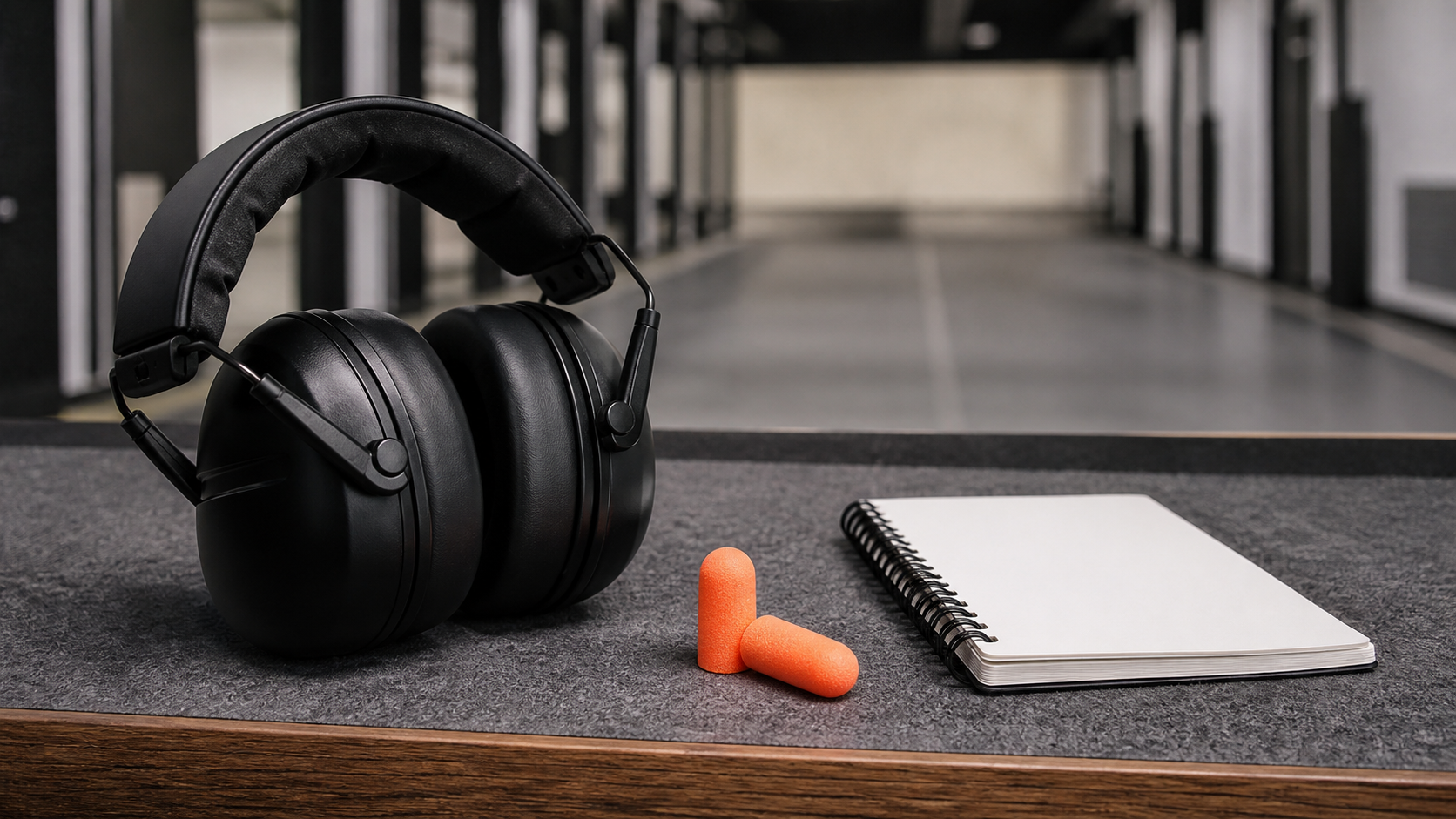
Doubling up ear protection means wearing properly inserted earplugs underneath properly sealed earmuffs. For indoor shooting ranges and other loud impulse-noise settings, this extra layer may be worth considering because hard walls reflect sound and shooters are often close to other firearms. Doubling up can reduce exposure when both layers fit correctly, but it is not a hearing-loss guarantee, and NRR math does not simply add into a real-world protection number.
Table of contents
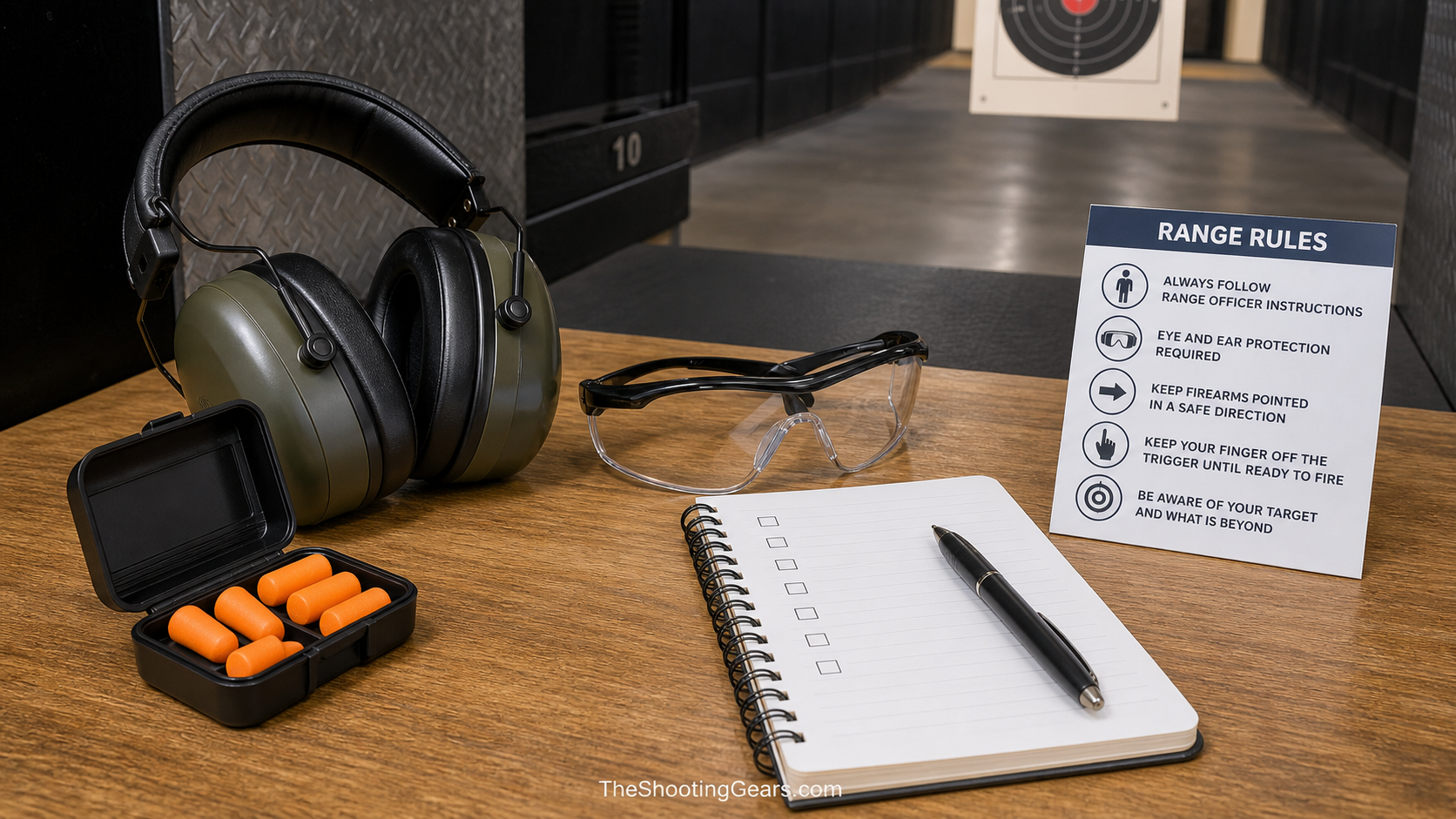
This guide explains when plugs-plus-muffs make sense, how to wear them correctly, what mistakes reduce protection, and when to ask a range safety officer or qualified hearing professional for help.
Table of Contents
What Double Ear Protection Means
Double ear protection means wearing two protective layers at the same time: earplugs inside the ear canal and earmuffs sealed over the outside of the ears. The order matters. Plugs go in first, then muffs go over them so each layer can keep its own fit.
The CDC/NIOSH hearing protection guidance describes double protection as earmuffs worn over earplugs and recommends it in very loud occupational settings, including impulse-noise exposure. That guidance is useful safety context for range users, but it should not be treated as a recreational shooting law or as a promise of complete protection.
Why Indoor Ranges Raise the Stakes
Indoor ranges are different from open outdoor bays because hard walls, ceilings, and dividers reflect sound instead of letting it dissipate. You may also stand close to other shooters using short barrels, compensators, muzzle brakes, or high-volume firing strings. That combination can make a single layer feel less comfortable and less forgiving.
NRR labels are useful for comparing hearing protectors, but they do not tell you exactly what your ears receive in a real shooting lane. Federal hearing-protector labeling rules in 40 CFR Part 211 Subpart B also warn that NRR may not indicate protection against impulsive noise such as gunfire. That is why this guide focuses on fit, seal, and realistic expectations instead of simple number math.
How to Wear Earplugs Under Earmuffs
To double up correctly, insert the earplugs first, then place the earmuffs over them without breaking either seal. The combination only helps when both layers are worn properly for the full time anyone on the line is shooting.
Insert the Earplugs Correctly
Foam earplugs should sit inside the ear canal, not loosely at the opening. Roll the plug down, insert it, and hold it in place while it expands. Reusable plugs should be seated according to the maker’s instructions. If a plug feels loose, falls out, or leaves sound obviously louder on one side, stop and refit it.
Seat the Earmuffs Without Breaking the Seal
Place the earmuffs so the cushions fully surround each ear. The headband should sit securely, and the cups should not be propped open by hair, hat brims, hoodie fabric, or thick glasses arms. A small gap under the cushion can quietly reduce real-world protection.
Check Eyewear, Hair, Hats, and Stock Fit
Safety glasses are required at many ranges, but thick temples can interfere with earmuff cushions. The 3M hearing protection selection guidance notes that compatibility with eyewear and other equipment matters when selecting protection. Thin safety-glasses arms, careful muff placement, and a quick seal check can help.
Rifle and shotgun shooters should also confirm the muffs do not shift when they mount the firearm. If your cheek weld knocks a cup loose, a lower-profile muff or different setup may be needed.
What Not to Do When Doubling Up
Do not treat the earplug NRR plus earmuff NRR as a single real-world rating. Protection depends on fit, insertion depth, cushion seal, product condition, and how consistently you keep both layers on.
- Do not leave foam plugs barely seated at the ear opening.
- Do not wear earmuffs over bulky hats or hair that breaks the seal.
- Do not remove protection while other shooters are still firing.
- Do not use cracked muff cushions, dirty plugs, or damaged gear.
- Do not assume electronics or active noise cancellation replaces rated hearing protection.
Electronic Earmuffs With Earplugs
Electronic earmuffs can still be useful when worn over plugs because they may help you hear range commands and conversation between shots. However, the protective part is still the rated muff cup and seal, not a magic cancellation effect. With plugs underneath, speech and amplified sounds may be quieter, so you may need to adjust volume and listen carefully to range staff.
The NSSF reminds shooters to wear eye and ear protection, and that advice pairs naturally with a practical range habit: keep both layers on whenever firing is active, even if you are not the person shooting.
What Double Protection Does Not Guarantee
Double protection can add margin, but it does not guarantee that your hearing is safe in every indoor lane or with every firearm. Fit, seal, eyewear, hair, hats, product wear, shooter position, and range design all matter. No article can promise a specific decibel reduction for your ears.
If you have ear pain, tinnitus, hearing aids, previous hearing loss, or recurring fit problems, ask a qualified hearing professional. If something feels wrong during a range session, ask the range safety officer for help before continuing.
Indoor Range Double-Protection Checklist
- Insert earplugs so they seal inside the ear canal.
- Seat earmuffs so the cushions fully surround each ear.
- Check that glasses, hair, hats, and clothing do not break the seal.
- Confirm the muff seal stays in place when you mount the firearm.
- Keep both layers on whenever anyone on the firing line is shooting.
- Replace disposable plugs and worn muff cushions before they fail.
- Ask for help if the setup hurts, leaks sound, or feels uneven.
Frequently Asked Questions
Should you wear earplugs and earmuffs at an indoor shooting range?
It may be worth considering, especially in loud indoor bays, near muzzle brakes, or during high-volume sessions. The second layer can add margin when both layers fit correctly, but it is still not a guarantee against hearing damage.
Can you combine the NRR labels?
No. Treating two labels as one simple number overstates protection. NRR is a comparison label, while real-world protection depends heavily on fit, seal, and consistent use.
Are electronic earmuffs enough at indoor ranges?
Sometimes they may be enough for a particular shooter and range, but electronics do not change the need for a proper rated seal. Many shooters choose plugs under electronic muffs indoors for extra passive protection while still hearing commands better than with passive muffs alone.
Should plugs go under muffs or over muffs?
Plugs go in first, then earmuffs go over the ears. Earplugs protect from inside the ear canal, while earmuffs seal around the outside of the ear.
Can shooting glasses break the earmuff seal?
Yes. Thick eyewear temples can create small gaps under earmuff cushions. Use shooting glasses that fit well under muffs and check the seal before firing starts.
What if double protection still feels uncomfortable?
Stop and refit the plugs and muffs. Do not force a setup that causes pain. If discomfort continues, ask the range safety officer or a qualified hearing professional for help choosing a safer fit.
Final Recommendation
For indoor shooting ranges, properly inserted earplugs under properly sealed earmuffs are a sensible option when noise exposure feels high or when you want extra margin. Focus on fit, seal, and keeping protection on the whole time. Treat double protection as a careful habit, not a mathematical shortcut or a guarantee.