Best Costa Sunglasses: Lens Tint, Fit, and Eye Protection Guide
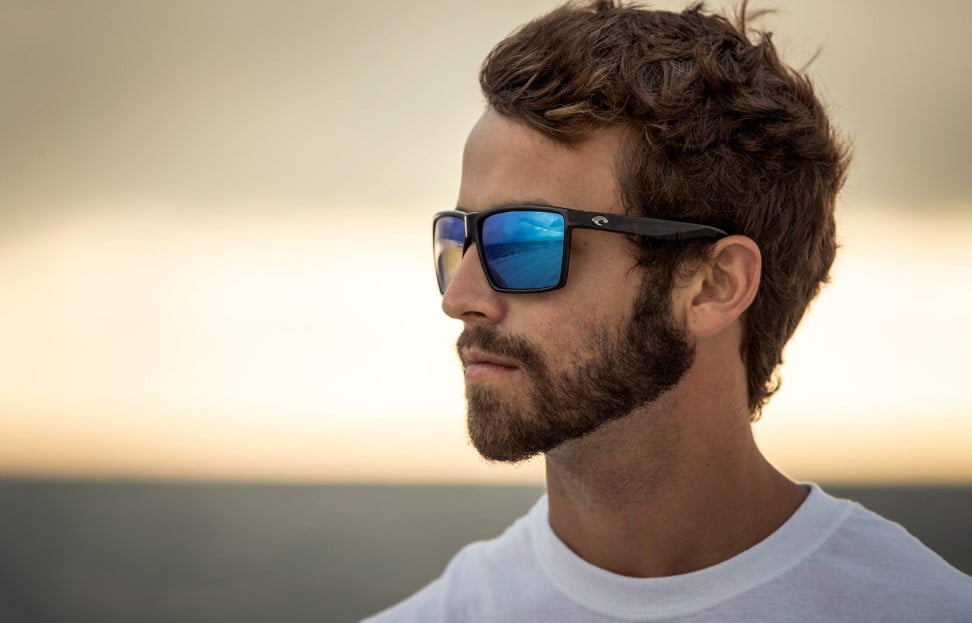
Sunglass is an accessory which works as a person’s style statement. A pair of glares is enough to make a dull look spunky and exciting. A pair of stylish sunglasses and a beautiful watch, and that is all in the name of accessories a man needs to look stylish.
In the case of women, less is never more. However, there are days when one doesn’t feel like wearing makeup or accessories. A pair of sunglass proves to be the savior in their no makeup look days. With wearing a sunglass, people can feel new found confidence in them, and it brings out the best of their personality.
Having said that sunglasses are not just for fashion or making a style statement. They are protection for our eyes as well. The radiations present in sunlight are extremely harmful and can severely damage the eyes.
Squinting, blurring, eye fatigue, watery eyes, and the worst losing vision, all this can happen due to radiations of the sunlight. A sunglass is what one needs to escape from all the eye issues due to sunlight and UV rays and also look stylish.
If there is one brand which is known for making the best sunglasses, then it has to be Costa. All the sunglasses created by Costa, rather, all the best Costa sunglasses are worth all the hype.
Choose sunglasses by lens clarity, impact resistance, comfort, and real outdoor glare control. OSHA explains why proper eye and face protection matters around impact hazards.
Table of Contents
- Quick Picks Table
- Reviews of the Best Costa Sunglasses
- Fantail PRO Sunglasses
- Blackfin Sunglasses
- Loreto Aviator Sunglasses
- Brine Sunglasses
- Santiago Sunglasses
- Broadbill II Sunglasses
- Tuna Alley Sunglasses
- Ocearch Tiger Shark Sunglasses
- Corbina Sunglasses
- South Point Sunglasses
- Buying Guide of the Best Costa Sunglasses
- Frame
- Lens
- Colors
- Hinges
- Other Features
- Frequently Asked Questions
Quick Picks Table
Product Best for Details Price
Fantail PRO Sunglasses Best for value comparison Read review Check Amazon
Blackfin Sunglasses Best for value comparison Read review Check Amazon
Loreto Aviator Sunglasses Best for value comparison Read review Check Amazon
Brine Sunglasses Best for value comparison Read review Check Amazon
Santiago Sunglasses Best for value comparison Read review Check Amazon
Broadbill II Sunglasses Best for value comparison Read review Check Amazon
Tuna Alley Sunglasses Best for value comparison Read review Check Amazon
Ocearch Tiger Shark Sunglasses Best for value comparison Read review Check Amazon
Corbina Sunglasses Best for value comparison Read review Check Amazon
South Point Sunglasses Best for value comparison Read review Check Amazon
At a Glance: Frame Size and Lens Material
Because every pair below shares the same warranty, polarization and hand-built construction, the real decision comes down to two things: how big the frame is, and whether you want glass (580G) or polycarbonate (580P). This table condenses that:
| Model | Frame style | Typical lens | Size feel | Best suited to |
|---|---|---|---|---|
| Fantail PRO | Co-injected nylon, medium wrap | 580G glass | Medium | All-day inshore fishing, daily wear |
| Blackfin | Nylon, large fit | 580P polycarbonate | Large | Wider faces, full-sun open water |
| Loreto Aviator | Classic aviator (women's) | 580P polycarbonate | Small–medium | Lighter everyday wear with real glare control |
| Brine | Nylon, medium | 580P polycarbonate | Medium | Inshore and flats sight-fishing |
| Santiago | Netplus recycled frame | 580G glass (63mm) | Large | Maximum coverage, sustainability-minded buyers |
| Broadbill II | Matte nylon, mid-size | 580G glass (58mm) | Medium | Bright-day contrast without oversized coverage |
| Tuna Alley | Wraparound offshore | 580G glass | Large | Running offshore, heavy peripheral glare |
| Ocearch Tiger Shark | Nylon, large | Green mirror polarized (60mm) | Large | Offshore coverage plus conservation support |
| Corbina Pro | Nylon, mid-size (58mm) | 580G glass | Medium | Lightweight all-rounder at 1.4 oz |
| South Point | Monel metal frame | 580G glass (59mm) | Medium–large | Metal-frame styling with fishing-grade optics |
A quick way to narrow the list: pick your size band first, then choose glass or polycarbonate.
How We Assessed These Costa Sunglasses
Sunglasses reviews go wrong when they compare marketing copy instead of the things you actually notice on the water. The criteria that separated these ten pairs were:
- Optical behaviour, not just tint name. Polarized lenses only cut glare that is horizontally polarized — reflections off water, wet decks, road surfaces and painted hulls. Look through a pair while tilting your head 90 degrees and the glare comes right back; that simple test tells you the filter is genuine.
- Frame geometry versus your face. A frame that sits too far off the cheekbone lets bounce light in from below, which is the single most common cause of "these still feel bright" complaints.
- Weight distribution. Glass lenses are heavier at the front, so nose-pad grip and temple tension matter more on 580G models than on 580P.
- Realistic durability. Salt, sunscreen and sweat are harder on hinges and coatings than drops are. Stainless hardware and hydrophobic coatings earn their keep here.
- Serviceability. Costa's limited lifetime warranty covers defects, not scratches — so replaceable lenses and a repair path matter for a pair you intend to keep for years.
If you are assembling gear rather than buying a single item, the same logic applies to the rest of your kit: our rundown of range-day essentials for newcomers follows the same "buy once, buy right" approach to eye and ear protection.
Reviews of the Best Costa Sunglasses
Costa, without any doubt, makes the best sunglasses, and the demand for their product is enormous, especially among the adventure enthusiasts. The brand Costa is renowned and known to offer a limited lifetime warranty in all their sunglasses.
Most of them are made in the USA and imported as well. They are backed for life. They come with different color lenses, and all the different color lenses have a different purpose. The materials used to make the glasses are of high-quality.
They are tough and durable. The brand uses polarized lenses, and polarized lenses are known for reducing light glare and improving the vision and providing superior clarity. To let you know more about the best Costa sunglasses we are going to list 10 of them and discuss their features, what’s good and what’s bad in them in details.
1. Fantail PRO Sunglasses
 Costa Del Mar Fantail PRO Sunglasses updates the original Fantail with the same co-injected nylon frame Costa is known for, in a build aimed at anglers who want a lightweight pair that holds up to daily use on the water.
The Fantail PRO pairs a nylon frame with heavier glass optics — light on the ears, sharp through the lens.
It uses Costa’s 580G glass lens, which the brand builds around blocking yellow light specifically to improve contrast and color definition when you’re reading water for fish. The polarization cuts surface glare, which matters as much for comfort as it does for spotting fish under the surface.
Like the rest of the Costa lineup, it’s built by hand and backed by Costa’s limited lifetime warranty. It ships with a hard case and cleaning cloth, so it’s ready for a boat bag straight out of the box.
Pros
Co-injected nylon frame, lightweight for all-day wear
580G glass lens blocks yellow light for better contrast
100% polarized to cut surface glare
Built by hand, backed by a limited lifetime warranty
Comes with a hard case and cleaning cloth
Cons
- Glass lenses add weight compared to Costa’s plastic 580P options
Editor's note: The Costa Fantail PRO listing linked here previously showed inconsistent stock signals. The link above now points to a confirmed in-stock Fantail PRO 580G listing (same model), so you can verify current price and availability directly.
Who it suits best: anglers with a medium face who wear sunglasses from sunrise to sunset and want glass clarity without an oversized shield look. In practice, the Fantail PRO is the pair most people default to when they only want to own one Costa.
2. Blackfin Sunglasses
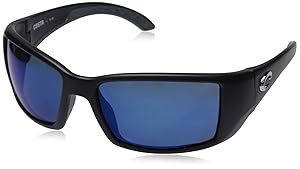 Best Costa Del Mar Blackfin Sunglasses is quite similar to the previous one. However, unlike that one, it has a large fit. The frame, bridge, and lens width are 128.2mm, 18mm, and 61.5mm, respectively. The height of the lens is 40.5mm, and temple arm length is 114.7mm. So, those who find the Fantail Sunglasses smaller can opt for Blackfin.
Note the 128.2mm total frame width — that is the number to compare against your current pair.
It is made of Costa’s co-injected bio-based nylon material and has a lightweight yet long-lasting and strong frame. It is a US product and has the all-day wearing ability. The lenses are of 580 Polycarbonate, which is known for providing high-clarity and impact and scratch resistant.
Blue mirror polarized option keeps the eyes strain free in full-sun situations on the open water and offshore. The blockage of the reflected glares is only possible because of it being 100% polarized. It is handmade and comes with a limited lifetime warranty on it.
Pros
Tough and durable nylon frame
Costa’s 580 Polycarbonate provides high-clarity
Blue Mirror Polarized lens
Polarization reduces eye-strain and kills reflective glare
Cons
- Could have been cheaper
Who it suits best: wider faces and offshore days. The blue mirror over a grey base is deliberately a bright-light tint — it will feel too dark on an overcast morning, so it is a poor single-pair choice if most of your time is spent under cloud or tree cover.
3. Loreto Aviator Sunglasses
 Costa Del Mar Loreto Aviator Sunglasses is built specifically for women, giving Costa’s core fishing-glass features in a classic aviator shape rather than the wraparound styles more common on this list.
An aviator silhouette with fishing-grade polarization — the compromise is less side coverage.
It uses Costa’s 580P polycarbonate lens, which is lighter than the 580G glass option and still delivers the brand’s signature yellow-light-blocking polarization for cutting glare off the water. The lighter lens material makes it noticeably less top-heavy on the face than a full glass lens aviator.
Like the rest of the Costa line, it’s built by hand and backed by Costa’s limited lifetime warranty, and it ships with a hard case and cleaning cloth.
Pros
Aviator shape built specifically for women
580P polycarbonate lens is lighter than glass options
100% polarized to cut surface glare
Built by hand, backed by a limited lifetime warranty
Comes with a hard case and cleaning cloth
Cons
- Polycarbonate 580P lens has less scratch resistance than Costa’s 580G glass lenses
Who it suits best: smaller faces, and anyone who wants a pair that works for driving and town wear as well as the boat. Because an aviator does not wrap, expect more light entering at the temples — a hat brim closes that gap effectively.
4. Brine Sunglasses
 Costa Sunglasses offers a wide range of sunglasses with various designs and lens colors. As mentioned earlier, different lens colors serve different purposes. The Costa Del Mar Brine Sunglasses are made in the USA and feature green lenses. The green mirror polarized lens enhances vision and contrast for inshore and flats fishing.
Green mirror sits on a copper base, which is why it lifts contrast rather than simply darkening the view.
All the other features of this pair of sunglasses are ditto same and standard Costa features. Talking about the quintessential Costa features, this one also has a co-injected bio-based nylon frame. The toughness and durability are top notch and its impact and scratch resistant as well. It has a different design and offers all day-wear ability.
The green mirror polarized lens of Costa Del Mar Brine Sunglasses is 100% polarized, which effectively eliminates reflected glares and minimizes eye strain. As with every Costa sunglasses, it is handmade and backed by a lifetime guarantee, including a limited lifetime warranty.
Pros
Co-injected bio-based durable nylon frame
Ensures all day wear-ability
Green Mirror Polarized improves vision and contrast
No reflected glare and strained eyes
Made in the US, backed for life
Cons
- Might be small for people with wide temple area
Who it suits best: shallow-water sight-fishing, where picking a fish out of mottled bottom matters more than raw darkness. Green mirror is one of the more versatile choices if you split time between bright noon and softer late-afternoon light.
5. Santiago Sunglasses
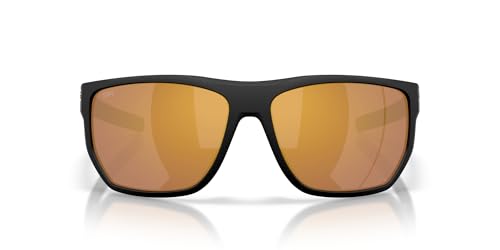 Costa Del Mar Santiago Sunglasses uses Costa’s Netplus frame material, which is made from recycled fishing net waste, giving this pair a sustainability angle that most of the other entries on this list don’t have.
Netplus frames are moulded from reclaimed fishing net — the finish looks and feels like standard nylon.
It’s built with the 580G glass lens in a black and gold mirrored finish, delivering the same yellow-light-blocking polarization Costa uses across its glass-lens lineup to sharpen contrast and cut glare on the water. At 63mm, it’s one of the larger frames on this list, suited to buyers who prefer more coverage.
Like the rest of the Costa line, it’s built by hand and backed by Costa’s limited lifetime warranty, and it ships with a hard case and cleaning cloth.
Pros
Netplus frame made from recycled fishing net material
580G glass lens with black/gold mirror finish
Larger 63mm frame for more coverage
Built by hand, backed by a limited lifetime warranty
Comes with a hard case and cleaning cloth
Cons
- Larger 63mm frame may run big for smaller face shapes
Who it suits best: buyers who want maximum coverage and care where the frame material came from. At 63mm the lens is genuinely large — measure your current pair before ordering, because oversized frames tend to touch the cheekbones and fog when you stop moving.
6. Broadbill II Sunglasses
 Costa Del Mar Broadbill II Sunglasses updates the original Broadbill with a matte black frame and a green mirrored 580G glass lens, aimed at anglers who want strong contrast on bright, sunny days.
Matte finishes matter on the water: gloss frames throw their own reflections into your peripheral vision.
The 580G glass lens uses Costa’s signature yellow-light-blocking polarization, which helps sharpen the line between water and structure when you’re sight-fishing. At 58mm, the frame sits in the middle of this list’s size range, giving solid coverage without being oversized.
Like the rest of the Costa lineup, it’s built by hand and backed by Costa’s limited lifetime warranty, and it ships with a hard case and cleaning cloth.
Pros
Matte black frame with green mirrored 580G glass lens
Strong contrast for bright-light conditions
Mid-size 58mm frame for balanced coverage
Built by hand, backed by a limited lifetime warranty
Comes with a hard case and cleaning cloth
Cons
- Glass lens adds weight compared to Costa’s plastic 580P options
Who it suits best: the middle of the bell curve. If you cannot decide between the Fantail PRO and something larger, the Broadbill II at 58mm splits the difference and keeps the glass-lens optics.
7. Tuna Alley Sunglasses
 Costa Del Mar Tuna Alley Sunglasses is built as a men’s offshore-style frame, giving anglers a wraparound fit designed to block peripheral glare while running to the grounds or working a bite on open water.
The wrap and deeper lens shape are there to stop light sneaking in from the sides and below.
It’s built with the 580G glass lens, which uses Costa’s yellow-light-blocking polarization to sharpen contrast against bright open-water glare. The wraparound shape adds side coverage that the more traditional frame styles on this list don’t offer.
Like the rest of the Costa lineup, it’s built by hand and backed by Costa’s limited lifetime warranty, and it ships with a hard case and cleaning cloth.
Pros
Wraparound offshore frame blocks peripheral glare
580G glass lens with yellow-light-blocking polarization
Built for men’s offshore fishing use
Built by hand, backed by a limited lifetime warranty
Comes with a hard case and cleaning cloth
Cons
- Wraparound fit runs larger and may not suit smaller face shapes
Who it suits best: anyone running a boat at speed, where wind and spray are as much of a problem as brightness. The wrap that makes it excellent offshore is also what makes it the least discreet pair here for everyday wear.
8. Ocearch Tiger Shark Sunglasses
 Costa Del Mar Ocearch Tiger Shark Sunglasses is part of Costa’s collaboration with Ocearch, the shark-research and conservation organization, in a men’s frame with a green mirrored lens.
A conservation-tie-in colourway on an otherwise standard large offshore frame.
At 60mm, it’s one of the larger frames on this list, giving broad coverage for offshore use. The green mirror finish sits on Costa’s polarized lens technology, cutting glare while keeping colors reasonably true on the water.
Like the rest of the Costa lineup, it’s built by hand and backed by Costa’s limited lifetime warranty, and it ships with a hard case and cleaning cloth. Part of Costa’s Ocearch-branded lineup supports the organization’s shark tracking and research work.
Pros
Ocearch collaboration frame supports shark research
Green mirrored polarized lens cuts glare
Large 60mm frame for broad offshore coverage
Built by hand, backed by a limited lifetime warranty
Comes with a hard case and cleaning cloth
Cons
- Large 60mm frame may run big for smaller face shapes
Who it suits best: buyers who want the coverage of a large offshore frame and like that the collaboration supports research work. Optically it behaves like the other green mirror options here, so choose it on fit and finish rather than expecting a different view.
9. Corbina Sunglasses
 Costa Del Mar Corbina Sunglasses are built by hand and made in the USA. The eye size is 58 mm, bridge length is 17 mm, and the temple length is 125 mm. It weighs 1.4 oz.
58-17-125 is the classic frame shorthand: eye size, bridge, temple length.
Editor's note: The original Corbina listing for this product is discontinued on Amazon. The link above points to the current Corbina Pro (Matte Black/Green Mirrored 580G), the same model line's current version.
Who it suits best: anglers who want a mid-size frame with a longer 125mm temple, which helps if you have a larger head but do not want a wide lens. At 1.4 oz it is one of the easier glass-lens pairs to forget you are wearing.
10. South Point Sunglasses
 Costa Del Mar South Point Sunglasses uses a metal frame built from Monel, a corrosion-resistant alloy, giving it a sleek look aimed at anglers who prefer a metal-frame style over Costa’s more common nylon builds.
Monel is chosen for saltwater resistance — but a metal frame will not flex back the way nylon does.
Editor's note: The original South Point listing for this product is discontinued on Amazon. The link above points to the current South Point (Brushed Gold/Gold Mirrored 580G, 59mm), the same model and size.
Who it suits best: anyone who wants Costa optics in a dressier package. Metal frames adjust to your face at an optician's bench in a way nylon cannot, which is a genuine advantage if you have a narrow bridge — but they also stay bent if you sit on them.
Buying Guide of the Best Costa Sunglasses
Getting the best-polarized sunglasses is not an easy task. So to find a pair of sunglasses that is right for you, you’ll have to invest in what you need. Here are some points to consider when purchasing costa sunglasses.
Frame
The shape of the frame determines whether a pair of sunglasses will be comfortable or not. If the frame of your sunglass is flexible, it will be easily adjustable to your facial contour. For ensuring your comfort, the frame should be flexible and not too tight.
In addition, the frame also needs to be strong enough so that it can withstand the weather and avoid breakage and distortion. Perhaps the most important characteristic of a sunglass frame is that it should be lightweight to be comfortable for long days.
Frame material also decides how the pair ages. Costa's co-injected nylon is the workhorse: it flexes under load and returns to shape, shrugs off sunscreen and salt, and takes a rubberised nose pad and temple tips that grip better when wet. Netplus is nylon-based too, moulded from recycled fishing net, and behaves the same in the hand. Monel metal, used on the South Point, resists corrosion well for an alloy and can be professionally adjusted, but it will hold a bend if you crush it. A practical tip: if a frame leaves red marks on your nose or temples after an hour, it is too tight, and nylon frames can usually be relaxed slightly with gentle warmth by an optician rather than replaced.
Lens
When it comes to the visual quality, it’s essential to consider the lens of the sunglass. Wide lenses shield your eyes completely from the sun’s rays. And so, the lens should be wide enough to protect your eye’s peripheral vision in addition to the main vision.
wraparound style lenses which are slightly curved around the edges, also provide better protection and clarity than flat lenses.
There is a trade-off with curvature that catalogues rarely mention. The more a lens wraps, the more it bends light at the edges, which some wearers perceive as a slight "swim" for the first day or two until the eyes adapt. Steeply wrapped base curves are also harder to fill with a strong prescription. If you have never worn a wraparound before, expect an adjustment period; if it has not settled after a few days of regular wear, the base curve is probably wrong for you rather than the polarization being faulty.
580G vs 580P: Choosing Your Lens Material
This is the single biggest choice in the Costa range, and it is not about optics quality — both are excellent — but about weight, scratch behaviour and price.
| 580G (glass) | 580P (polycarbonate) | |
|---|---|---|
| Weight | Heavier at the front of the frame | Noticeably lighter |
| Scratch resistance | Excellent — the main reason people choose it | Good, but softer; coatings do the heavy lifting |
| Impact behaviour | Tougher to scratch, but glass is glass | The more impact-friendly of the two |
| Clarity | The sharpest option in the line | Very close, hard to fault in normal use |
| Price | The premium choice | The more affordable choice |
| Best for | Boat, deck and daily wear where scratching is the enemy | Running, hiking, cycling, kids' sports, active use |
In practice: if your sunglasses live on a boat console and get wiped with whatever cloth is nearest, glass will look better for longer. If they get sat on, dropped on rocks or worn during anything fast-moving, polycarbonate is the sensible pick. A common mistake is buying glass for an active pursuit and then complaining about nose-bridge pressure after four hours.
Colors
Costa glasses are perfect for everything from running to hiking to boating. And these sunglasses come in 7 different colors and a variety of styles so you can express yourself through your shades.
From indoor lighting to outdoor sunlight, Costa’s lens tints ensure that you’re never blinded by bright sunlight or blinded to darkness. Use Costa’s chart to help you figure out which lens colors are suitable for your style.
The tint lineup has grown well beyond a handful of options, and mirror finishes are now layered over two base colours — grey and copper — plus a rose base for low light. The base colour controls how the lens renders colour; the mirror controls how much light is bounced away before it reaches your eye. That is why two "green" lenses can behave very differently: green mirror over copper lifts contrast, while a grey base keeps colours neutral. Costa's own tint selector on the brand's official site lets you filter by activity and light condition, and it is worth a look before you commit.
Costa Lens Tints Compared
| Tint | Base colour | Light conditions | What you notice |
|---|---|---|---|
| Gray | Gray | Bright, full sun, offshore | Most neutral colour rendering; least eye fatigue in glare |
| Gray Silver Mirror | Gray | Blazing sun, open water | Maximum glare knock-down, colours stay true |
| Blue Mirror | Gray | Offshore, blue water | Neutral view with a cool cast; very bright-day specific |
| Copper | Copper | Mixed light, versatile all-rounder | Warms the view and lifts contrast against green and brown |
| Green Mirror | Copper | Inshore, flats, sight-fishing | Best contrast for spotting shapes over mottled bottom |
| Copper Silver Mirror | Copper | Bright inshore and flats | Contrast of copper with extra glare rejection |
| Gold/Bronze Mirror | Copper | Bright sun, shallow water | Contrast-forward with a warmer, dressier look |
| Sunrise Silver | Rose | Dawn, dusk, overcast, deep shade | Highest light transmission; brightens a dull sky |
The rule of thumb that survives contact with reality: grey bases for glare, copper bases for contrast, rose for low light. If you fish or hunt at first and last light, a bright-sun mirror is actively unhelpful — you will end up pushing it onto your forehead, which is how most pairs get scratched.
Getting the Fit Right
Frame numbers do more work than style names. Costa lists sizes as three measurements, for example 58-17-125: lens width, bridge width and temple length, all in millimetres. The fastest way to shop is to read those numbers off the inside temple of a pair you already like and match them.
- Lens width 55mm and under: small fit, better for narrow faces.
- 56–59mm: medium, the safest starting point for most adults.
- 60mm and above: large — Santiago at 63mm, Ocearch Tiger Shark at 60mm and Blackfin at 61.5mm all sit here.
Beyond numbers, three quick fit checks tell you whether a pair works:
- Cheek clearance. Look down. If the lenses touch your cheeks when you smile, they will smudge and fog.
- Temple pressure. The arms should contact just in front of the ears, not squeeze the sides of the head.
- Nod test. Tip your head forward sharply. A well-fitted pair shifts slightly; a poor one slides down the nose.
Face shape matters less than most guides claim, but there is a useful shortcut: angular frames balance rounder faces, and softer or rounded shapes such as an aviator balance square jawlines. Coverage should always beat aesthetics if the pair is for the water.
Hinges
Costa’s hinges are world-renowned. There are 3-kinds of hinges that work with Costa frames. They are- a 5-barrel optical hinge, an optical spring, and an integral hinge. Besides, all these stainless steel hinges can prevent corrosion, and they’re also flexible to fit any face size yet.
Which hinge you get is worth knowing, because it changes how the pair feels over time. A five-barrel hinge is the most rigid and the most repairable — the screw can be tightened with a jeweller's driver when the arms start to flop. Spring hinges flex outward past their normal stop, which is forgiving on wider heads and on anyone who pulls their sunglasses off one-handed. Integral hinges, moulded into the frame, have no screw to lose but cannot be adjusted the same way. Whichever you own, a drop of fresh water on the hinge after a saltwater day, then a dry wipe, prevents the gritty feel that develops when salt crystallises inside the barrel.
Other Features
Costa sunglasses are designed with vents so the wearer will have airflow for optimal comfort. Even these sunglasses can withstand sweat and rough surf all day long. Besides, these sunglasses resist the sun’s rays reflecting off the open water and the sides of your frames.
The details that matter most day to day are the least glamorous ones: hydrophobic and oleophobic coatings that let water bead and roll off rather than drying into spots, anti-reflective treatment on the back surface of the lens so the sun behind you does not bounce into your eye, rubberised nose pads and temple tips that grip harder as they get wet, and — on many models — replaceable lenses, so a scratched pair does not become a dead pair. A retainer strap is a cheap addition that pays for itself the first time you lean over a gunwale.
UV Protection: What Actually Protects Your Eyes
Polarization and UV protection are two completely separate things, and conflating them is the most common misunderstanding in sunglasses buying. Polarization is a filter that blocks horizontally reflected light — it kills glare. UV protection is a separate treatment that blocks ultraviolet radiation, which is what causes long-term damage. A lens can be polarized and offer poor UV protection, or block 100% of UV and not be polarized at all. Costa lenses do both, but the distinction matters when you are comparing cheaper alternatives.
Cumulative UV exposure is linked to cataract formation, growths on the surface of the eye such as pterygium, and photokeratitis — essentially sunburn of the cornea, which can occur after a single intense day on water or snow. The National Eye Institute publishes plain-language guidance on protecting vision from UV, and the practical takeaway is consistent: look for lenses rated to block 100% of UVA and UVB (often labelled UV400), wear them year-round rather than only in summer, and add a wide brim, since a large share of UV reaches the eye from above and around the frame.
Two field notes worth knowing. First, water, sand and snow reflect UV upward, which is exactly the light a flat, non-wrapping frame lets past. Second, dark lenses without UV protection are worse than no sunglasses at all, because the darkness dilates the pupil and lets more UV in — a genuine risk with unbranded gas-station pairs, not with a reputable brand.
Matching a Costa Pair to Your Activity
| Activity | Frame priority | Tint priority | Best lens material |
|---|---|---|---|
| Offshore running and trolling | Wraparound, large | Gray or blue mirror | 580G if it stays on the boat |
| Flats and inshore sight-fishing | Medium, good cheek clearance | Green mirror over copper | 580G for scratch life |
| Freshwater bass and river fishing | Medium wrap | Copper or copper silver mirror | Either |
| Dawn and dusk hunting | Secure fit under a cap brim | Sunrise Silver | 580P for weight |
| Boating and paddling | Retainer-friendly, vented | Gray silver mirror | 580P if you swim in them |
| Driving | Non-wrap or moderate wrap | Copper or gray | Either |
| Running and hiking | Light, grippy temple tips | Copper | 580P |
Hunters have slightly different priorities from anglers. Coverage still matters, but so does how the frame interacts with a cap brim, ear protection and a gun stock — a thick temple arm that sits under a muff seal ruins both the seal and your cheek weld. If you regularly move between hardwoods, open fields and marsh, our notes on adapting to changing ground and cover explain why the light you face changes as much as the terrain does, and a rose-base low-light lens is often the more useful of two pairs.
Open-water hunting is the hardest case of all: it combines the glare of fishing with the movement of shooting. For anyone planning hunts on big open salt water, a wraparound with a grey-base mirror and a retainer strap is the sane combination — a lost pair in three feet of cold water is not coming back. Conversely, when you are leading fast crossing birds, a lighter copper tint helps you pick a bird out of a bright sky without dulling it against the treeline.
Prescription, Astigmatism and Reflex Sights
Costa offers prescription options through authorised opticians, and there are two constraints worth understanding before you order. Strong prescriptions do not sit comfortably in steeply wrapped frames, so a moderately curved model such as the Fantail PRO or Corbina is usually a better donor frame than a full offshore wrap. And progressive lenses in a wrapped frame need a wider corridor than they do in a flat frame, which can narrow your usable field at the edges.
Astigmatism deserves its own note, because polarized lenses do not correct it — they only reduce glare. If dots, reticles or distant lights look smeared or streaked when you are shooting, the lens tint is not the culprit; our breakdown of why a red dot looks smeared covers how corneal astigmatism distorts an illuminated aiming point and what actually helps. Wearing your corrective prescription behind or inside the sunglasses is almost always the fix.
Care, Cleaning, and the Warranty
Most Costa lenses are ruined by cleaning, not by accidents. Grit dragged across a coating under a dry shirt tail is the number one cause of the fine circular scratches you see on well-used pairs.
A cleaning routine that works:
- Rinse first with clean, cool fresh water to float off salt and sand — never dry-wipe a dusty or salty lens.
- Add a drop of mild dish soap, work it gently with your fingertips, and rinse again.
- Blot dry with the supplied microfiber cloth, don't scrub.
- Wash the microfiber cloth periodically; a cloth full of embedded grit becomes sandpaper.
- Avoid ammonia and alcohol-based glass cleaners, which attack coatings over time.
- Store in the hard case, lenses up, and keep them off a hot dashboard — heat is what warps frames and lifts coatings.
On the warranty: Costa's limited lifetime warranty covers manufacturing defects in frames and lenses, not scratches, normal wear or loss. Costa does, however, run a paid repair and lens replacement service, which is why a ten-year-old pair is often worth refurbishing rather than replacing. Register or keep your proof of purchase — it makes any claim far quicker.
A related habit: if you carry sunglasses in a pack alongside optics, keep them in their case rather than loose. The same thinking that goes into trimming weight from your load shouldn't tempt you to leave the hard case behind; a crushed lens costs far more than the few ounces you saved.
Common Mistakes Buyers Make
- Buying one dark pair for every condition. A grey silver mirror is superb at noon and nearly useless at dawn. Two tints beat one compromise.
- Choosing by lens colour name rather than base colour. "Green mirror" over copper and "blue mirror" over grey behave completely differently.
- Ignoring frame width. Ordering online without checking the 58-17-125 style numbers is the most common cause of returns.
- Assuming polarized means UV-safe. They are separate features. Confirm 100% UVA/UVB.
- Wearing polarized lenses where you shouldn't. LCD screens — chartplotters, phones, some instrument panels and aircraft displays — can black out or show rainbow patterns through a polarized lens. Tilting your head usually restores the image.
- Dry-wiping a salty lens. See the cleaning routine above; this one is entirely avoidable.
- Skipping the retainer. The cheapest insurance you can buy for an expensive pair.
When Costa Isn't the Right Answer
Honest guidance means saying where the range falls short. Costa's strength is glare control on and around water; it is not a certified safety eyewear brand. If your priority is impact protection on a shooting range, in a workshop or anywhere with fragmenting debris, you want eyewear that carries an appropriate impact rating — ANSI Z87.1 for general occupational use, or MIL-PRF-32432 ballistic-rated lenses for shooting sports — rather than a fishing lens. Many shooters keep both: rated lenses on the firing line and Costa optics for the walk in and out.
Similarly, if you need a pair that survives being sat on, thrown in a truck door pocket and lent to a friend, spending Costa money is not the best use of it. Buy inexpensive polarized backups for that role and keep the good pair for the water. And on genuinely overcast days, no tint improves what you see — a clear or very light rose lens simply protects your eyes and keeps the wind out. That is the same reasoning behind planning around weather rather than fighting it, which we cover in our notes on making a wet, grey day work.
Frequently Asked Questions
Q: What are Costa sunglasses?
A: Costa sunglasses are high-quality polarized sunglasses designed specifically for outdoor enthusiasts, including fishermen and boaters.
Q: What makes Costa sunglasses different from regular sunglasses?
A: Costa sunglasses feature 100% polarized lenses, which eliminate glare and provide clear vision even in bright sunlight. They also have durable frames and are designed for outdoor use.
Q: Are Costa sunglasses expensive?
A: Costa sunglasses can be more expensive than regular sunglasses, but they are designed with advanced features and materials that make them durable and reliable for outdoor use.
Q: What are the benefits of wearing Costa sunglasses?
A: Wearing Costa sunglasses can help protect your eyes from harmful UV rays, reduce glare, and enhance your vision in bright sunlight. They can also be comfortable to wear and durable enough for outdoor activities.
Q: What are the different types of Costa sunglasses available?
A: Costa sunglasses are available in a variety of styles, including aviators, wraparounds, and sport-specific designs for activities like fishing and boating.
Q: Are Costa sunglasses suitable for all face shapes?
A: Yes, Costa sunglasses come in a range of frame sizes and shapes, making them suitable for a variety of face shapes and sizes.
Q: Can I get prescription lenses for my Costa sunglasses?
A: Yes, Costa sunglasses can be fitted with prescription lenses by an optician or eyewear specialist.
Q: How do I clean and maintain my Costa sunglasses?
A: To clean your Costa sunglasses, use a microfiber cloth and mild soap and water. Avoid using harsh chemicals or abrasive materials that can scratch the lenses. Store them in a protective case when not in use.
Q: What is the difference between 580G and 580P lenses?
A: 580G is a glass lens — sharper-feeling, far more scratch resistant, and heavier. 580P is polycarbonate — lighter and more forgiving of impact, but softer and more dependent on its coatings. Choose glass for boat and everyday wear, polycarbonate for anything fast-moving.
Q: What does the "580" actually mean?
A: It refers to the lens filtering yellow light around the 580-nanometre part of the spectrum. Cutting that band is what produces the increase in contrast and colour definition Costa lenses are known for; it is a filter characteristic, not a model number.
Q: Which Costa lens colour is best for freshwater fishing?
A: A copper base — plain copper or copper silver mirror — is the usual answer. It boosts contrast against the greens and browns of rivers and lakes. Green mirror is the flats and inshore favourite; grey and blue mirror belong offshore.
Q: What lens should I use in low light or at dawn?
A: Sunrise Silver, built on a rose base, transmits the most light of Costa's tints and is designed for dawn, dusk, overcast skies and deep shade. Wearing a bright-sun mirror at first light makes you push the glasses up onto your head, which is how lenses get scratched.
Q: Can I wear polarized sunglasses while looking at a chartplotter or phone?
A: Sometimes the screen will dim or go black at certain angles because of how LCD displays polarize light. Tilting your head, or the device, usually restores the image. This is normal behaviour, not a lens defect.
Q: Do Costa lenses block 100% of UV?
A: Yes — Costa lenses are made to block UVA and UVB. Remember that polarization and UV protection are separate features, so when comparing any brand, confirm both rather than assuming a dark lens is a protective one.
Q: Are Costa sunglasses ANSI Z87.1 safety rated?
A: The mainstream Costa fishing range is performance eyewear, not certified occupational safety eyewear. For range work, power tools or anything with fragmentation risk, choose eyewear that explicitly carries an impact rating and keep your Costas for the water.
Q: Are Costa sunglasses good for hunting?
A: They can be excellent for open-country, marsh and water-based hunting where glare is the problem. Pick a low-light rose-base tint for dawn and dusk, check that the temple arms sit comfortably under ear protection, and use a retainer strap.
Q: How do I know if a pair will fit before I order online?
A: Read the three numbers on the inside of a pair you already wear — lens width, bridge and temple length — and match them. Under 55mm is a small fit, 56–59mm medium, 60mm and up large. Then check cheek clearance and do the nod test when the pair arrives.
Q: Can scratched Costa lenses be replaced?
A: Scratches are not a warranty item, but Costa offers a paid lens replacement and repair service for many models. Given the price of the frames, refurbishing an older pair often makes more sense than replacing it.
Q: How long do Costa sunglasses last?
A: With case storage, wet cleaning and periodic hinge-screw tightening, a decade of regular use is realistic. Frames usually outlast lenses, and lenses usually die from cleaning habits rather than accidents.
Q: Are the mirrored coatings durable?
A: Mirror coatings on glass hold up very well; on polycarbonate they are more vulnerable to abrasion. Either way, never wipe a dry, salty or sandy lens — rinse first, always.
Related reading: outdoor shooting sunglasses guide and outdoor clothing brands guide.
Ready to choose? Match your face width and light conditions to the table above, then check current pricing and colourway availability on your shortlisted pair — buying the right tint the first time costs less than owning two wrong ones.
Final Thoughts
All in all, discussing the sunglasses of Costa is a lengthy process. It makes all its sunglasses using the same features and technology, but its range is so vast in terms of the lenses it uses, the different frames and size, the vents in various parts of the frame, the design, the material makes each one of them a bit different from the other.
So, Costa has sunglasses for everyone. However, one common thing which all the sunglasses of this brand is the logo and the quality of the sunglasses. The Costa logo detail at temples and enhances the look of the sunglasses. The quality of each pair of sunglasses is high, and one pair lasts for years.
All of them provide the best quality, make a style statement upon wearing, and protect the eyes from harsh sunlight as well. Though they are pretty expensive if you can afford it is worth buying. We have tried our best to add all the features, both similar and dissimilar ones.
We also tried to highlight which one is similar to the other one and what makes them different from each other. So, before buying the best Costa sunglasses, have a look at our review and then buy your favorite pair.