Best Ankle Holster: Fit, Retention, and Safety Buying Guide
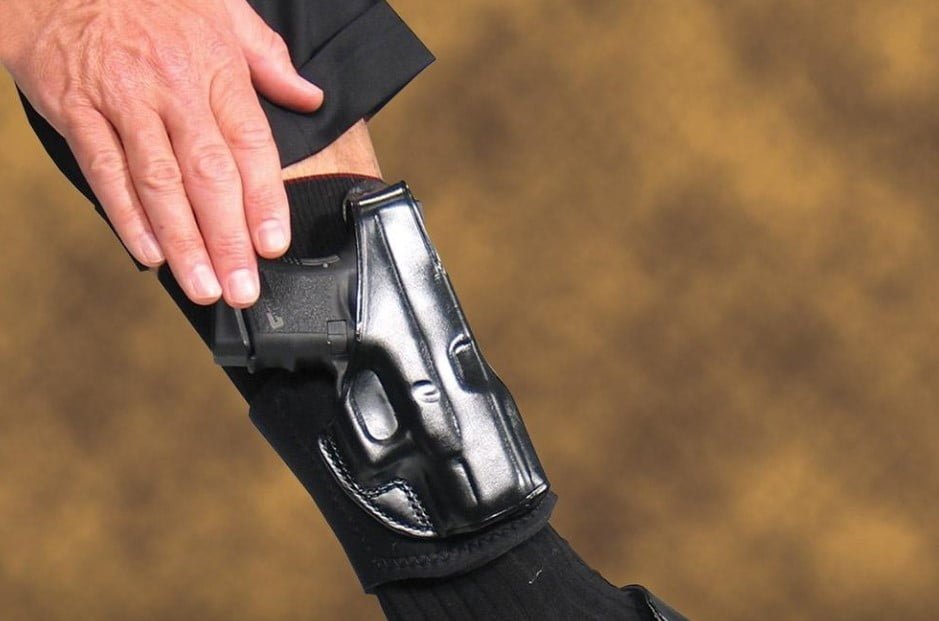
Quick answer: the best ankle holster is the one that fits your exact handgun, covers the trigger guard, holds the firearm securely, stays comfortable while walking, and matches your local carry laws. Do not buy an ankle holster only because it says “universal.” Fit, retention, trigger coverage, and ankle comfort matter more than a long feature list.
This guide was rebuilt around a short list of ankle holsters that were checked directly on Amazon for a matching title, listed firearm compatibility, and current stock status before being added below. Fit still depends on your exact handgun, hand orientation, and ankle size, so use the buying checklist on this page before you choose a specific model.
For baseline firearm safety, review the NSSF firearm safety rules. For carry laws, check your state and local rules or a qualified legal resource before choosing any concealed-carry method.
Table of Contents
Quick Picks
| Buyer need | Best direction | What to verify | Check price |
|---|---|---|---|
| Small concealed-carry pistol | DeSantis Die Hard Ankle Rig (Glock 43/43X) | Exact firearm fit, trigger coverage, retention strap, and handedness. | Check price |
| Budget or casual use | LPV Products neoprene ankle rig | Secure fit, sweat control, strap quality, and whether the holster shifts during normal walking. | Check price |
| Daily carry comfort | Galco Ankle Glove (Glock 26/27/33) | Padding, ankle band size, calf strap option, and pressure points. | Check price |
| Backup firearm carry | Uncle Mike’s Kodra nylon ankle holster | Retention level, firearm compatibility, and local carry requirements. | Check price |
| Wide compatibility claims | Treat as verification-needed | Do not trust “fits most” without checking your exact handgun and safe trigger coverage. | See picks above |
Verified Ankle Holster Options
The four ankle holsters below were checked directly on Amazon for a matching product title, listed firearm compatibility, and current stock status. Each one lines up with a row in the Quick Picks table above. Confirm your exact firearm generation, hand orientation, and any mounted light or optic before you buy.
DeSantis Die Hard Ankle Rig (Glock 43 and 43X)
This leather ankle holster is molded for the Glock 43 and 43X, with a neoprene leg band, sheepskin-lined padding, and a thumb break retention strap that covers the trigger guard. It ships in a right-hand draw configuration.
- Best for: you carry a Glock 43-family pistol and want a leather holster with real retention hardware instead of a stretch pouch.
- Skip if: your handgun is not a Glock 43 or 43X, since the molded fit will not match a different frame.
LPV Products Neoprene Ankle Holster (multi-fit)
This neoprene ankle holster is built to fit several compact and subcompact pistols, including the Glock 43, 26, and 19, the SIG P365, and the Ruger LCP, with a padded ankle band and a separate closure for a spare magazine or knife.
- Best for: you want one affordable holster that can flex across a few different subcompact handguns.
- Skip if: you carry a full-size or heavier compact pistol, since multi-fit neoprene designs are sized around smaller frames.
Galco Ankle Glove (Glock 26, 27, 33)
The Galco Ankle Glove pairs a premium leather holster with a neoprene band and sheepskin padding against the ankle. An adjustable calf strap is sold separately for extra stability with a heavier pistol.
- Best for: long-term, all-day comfort matters more than price and you carry one of the listed Glock models.
- Skip if: you want a lighter, lower-profile holster or your pistol is not one of the listed Glock models.
Uncle Mike’s Kodra Nylon Ankle Holster
This ankle holster uses a Kodra nylon shell with a soft-knit lining, a cinch-down hook-and-loop band, and a nylon retention strap with a thumb break. It is sized by barrel length and frame rather than tied to one named handgun model.
- Best for: you want a slim, lower-profile backup holster that hides well inside a boot or pant leg.
- Skip if: you want a leather holster or a listing built around one specific named handgun model instead of a size chart.
Best Ankle Holster Buying Direction
An ankle holster can be useful for a small handgun, but it is not the right carry method for every person or every firearm. The biggest mistake is treating ankle carry like a generic accessory purchase. A poor fit can shift, rub, print through clothing, expose the trigger area, or fail to hold the firearm securely.
Before looking at brands, decide whether ankle carry is actually appropriate for your body, clothing, firearm size, mobility, and local laws. A compact pistol that fits one person comfortably may feel heavy, awkward, or unstable for another. If you are unsure about safe carry setup, work with a qualified instructor and follow all applicable laws.
Fit Comes First
Fit is the main buying factor. A holster should be matched to the firearm or should clearly state the firearm sizes it supports. The trigger guard should be covered, the firearm should sit consistently, and the holster should not collapse into a shape that makes safe handling harder.
Be careful with broad claims such as “fits all compact pistols.” Handgun dimensions, trigger guard shape, grip length, slide width, lights, lasers, and extended magazines can change fit. If the holster maker does not list your exact firearm or a clear size range, treat the product as verification-needed.
- Check exact firearm model: brand, model, generation, barrel length, and accessories.
- Check handedness: right-hand, left-hand, or ambidextrous design.
- Check trigger coverage: the trigger area should be protected while carried.
- Check ankle size: the band should fit your ankle and clothing layers.
Retention and Trigger Coverage
Retention is the holster’s ability to keep the firearm in place during normal movement. For ankle carry, retention is especially important because the holster is low on the body and moves with every step. Look for a secure strap, molded fit, or retention system that matches the firearm and does not rely on vague pressure alone.
Trigger coverage is non-negotiable. A holster that leaves the trigger area exposed, shifts around the firearm, or allows foreign objects into the trigger guard should not be used. This is one reason product verification matters before restoring affiliate links: a product image or title is not enough proof that the holster is appropriate for every handgun.
Comfort and Ankle Fit
Comfort decides whether the holster is practical. A rig that feels acceptable for five minutes may rub badly after hours of walking or sitting. Padding helps, but too much bulk can print through clothing. A calf strap can improve stability for some users, but it can also add pressure or heat.
Check the ankle band size, padding material, closure style, and whether the holster is meant to be worn inside or outside a sock layer. If you plan to wear boots, check that the holster does not interfere with the boot top. If you wear dress pants, check whether the ankle rig prints when seated.
Material and Build Quality
Soft neoprene holsters are common because they are flexible and affordable. Leather and molded options can offer a more defined shape, depending on the model. The best material depends on the firearm, climate, clothing, and how often the holster is used.
Look closely at stitching, hook-and-loop quality, retention strap placement, padding, edge finish, and whether the material can handle sweat. A weak closure or loose stitching can turn a comfortable holster into an unreliable one.
How to Verify a Product Before Buying
When product links return to this page, each recommendation should answer the same basic questions. Does the holster maker name compatible handguns? Does the listing explain left-hand or right-hand use? Is the ankle band size clear? Does the product show how the firearm is retained? Does the trigger area appear covered when the firearm is seated?
If a product listing gives only a broad claim and a few lifestyle photos, slow down. For ankle carry, small differences matter. A subcompact pistol with a light or laser may not fit the same way as the plain model. A taller magazine base plate can change comfort and concealment. A holster that is fine for short wear may not be stable enough for long walking.
- Confirm the model: compare the listing against your exact firearm, not just the general caliber or size.
- Check return policy: fit issues are common with soft holsters and body-worn carry gear.
- Look for real specs: ankle size range, strap style, material, and compatible firearm range should be stated clearly.
- Avoid price-only decisions: a cheaper holster is not a bargain if it shifts, rubs, or fails to retain the firearm.
What to Avoid
Avoid ankle holsters that cannot explain firearm fit, use unclear stock photos, or make extreme claims without details. Also avoid designs that rely on a loose pouch without meaningful retention. The holster should keep the firearm in a consistent position and help protect the trigger area during normal carry.
Be especially careful with bundled extra pouches. A spare magazine pouch can be useful only if it does not add too much weight, change balance, or interfere with comfort. If a listing encourages carrying unrelated tools or items in the same ankle rig, judge that carefully. Simpler and more stable is usually better.
Lawful and Responsible Use
Carry rules vary by location. Some places have restrictions on concealed carry, permitted locations, licensing, vehicle carry, and how firearms must be stored. This article cannot replace legal advice. Before buying any holster, confirm that your intended carry method is lawful where you live and where you travel.
For general background, a holster overview can help explain common holster types. For actual safety decisions, rely on firearm safety rules, qualified instruction, and current local law.
Product Verification Notes
The older version of this article carried a 10-product list that mixed unverified ASINs with outdated availability data, so it was replaced with the four picks above. Each pick was checked directly on Amazon for a matching title, listed firearm compatibility, and current stock status before its link and button were added.
Compatibility still depends on your exact firearm generation, added accessories such as a light or optic, and your ankle or calf size, so treat the specs above as a starting point and confirm fit against your own handgun before buying. If a future pick cannot be matched to a live, in-stock listing with clear firearm compatibility, it will be removed rather than left with an unverified link.
FAQ
Are ankle holsters good for everyday carry?
They can work for some people, especially with smaller handguns, but they are not ideal for everyone. Comfort, firearm weight, clothing, mobility, lawful carry rules, and secure retention all matter. Test fit carefully and seek qualified instruction if you are unsure.
What should I check before buying an ankle holster?
Check exact firearm fit, trigger guard coverage, retention method, handedness, ankle band size, padding, sweat control, closure quality, and whether the holster stays stable during normal movement.
Are universal ankle holsters safe?
Some may work for specific small handguns, but “universal” does not prove safe fit. Verify that the trigger guard is covered, the firearm is secure, and the holster does not shift or collapse around the firearm.
Should an ankle holster have a calf strap?
A calf strap can help stabilize some ankle rigs, especially with heavier firearms, but it can add pressure and heat. It is useful only if it improves comfort and stability for your body and clothing.
Are the ankle holster picks on this page currently in stock?
Each pick was checked on Amazon for a matching title, listed firearm compatibility, and current stock status before it was added to this guide. Stock and pricing can change after that check, so confirm availability and your exact firearm fit on the product page before buying.
Final Recommendation
Choose an ankle holster only after confirming exact firearm fit, secure retention, trigger coverage, comfort, and local carry rules. If a product cannot prove those basics, skip it no matter how cheap or popular it looks.
This update replaced the old ten-item list with the four verified picks above, each one checked against a live Amazon listing for title match, firearm compatibility, and stock status. Future updates will only add a model once it clears that same check.