ACOG-Style Prism Scope Alternatives: Buying Guide

Quick answer: if you want an ACOG-style sight picture without buying a Trijicon ACOG, shop for a legitimate prism scope or fixed-power rifle optic from a real optics brand. Do not treat “clone” listings as equal substitutes. Check magnification, eye relief, reticle, mount type, warranty, and current seller information before buying. Verified picks are linked below.
This page has been cleaned up from old clone language into a prism-scope alternatives guide. Every product linked below has been checked against its live Amazon listing for matching title and specs, current in-stock status, mounting footprint, reticle type, and manufacturer warranty before being added here.
For context, ACOG is a well-known Trijicon optic family; this article is not claiming that budget prism optics are the same product. For safe firearm handling while comparing rifle optics, keep the NSSF firearm safety resources in mind. For general background on the ACOG product category, see the Advanced Combat Optical Gunsight overview.
Table of Contents
Quick Picks
Five verified picks across the three categories covered on this page. Each links straight to the current Amazon listing so you can check availability and price for yourself.
| Product | Type | Magnification | Check Price |
|---|---|---|---|
| Primary Arms SLx 3x32mm Gen III Prism Scope (ACSS 5.56 CQB-M2) | Fixed-power prism scope | 3x | Check price |
| Vortex Spitfire HD Gen II Prism Scope (BDC4) | Fixed-power prism scope | 3x | Check price |
| Vortex Strike Eagle 1-6×24 SFP Riflescope (BDC3) | LPVO | 1-6x | Check price |
| Sig Sauer Romeo5 1x20mm 2 MOA Red Dot | Red dot | 1x | Check price |
| Vortex VMX-3T 3x Flip-to-Side Magnifier | Red dot magnifier | 3x | Check price |
Quick Comparison Checklist
| Feature | Why it matters | What to verify |
|---|---|---|
| Magnification | Most ACOG-style shopping intent is around compact fixed magnification. | Common choices include 3x, 4x, and 5x prism optics. |
| Eye relief | Short eye relief can feel cramped depending on rifle setup and shooting position. | Manufacturer eye-relief spec and real mounting distance. |
| Reticle | BDC, chevron, horseshoe, and etched reticles work differently. | Cartridge, zero distance, illumination, and daylight visibility. |
| Mount | A poor mount can ruin an otherwise usable optic. | Picatinny compatibility, included mount height, and torque guidance. |
| Warranty/support | Budget optics vary widely in long-term support. | Brand warranty, seller quality, and replacement-part availability. |
What to Buy Instead of Clones
A safer buying strategy is to compare legitimate prism scopes and fixed-power optics on their own merits. The goal is not to copy a trademarked product. The goal is to find a compact optic with the right magnification, reticle, durability, and mount for your rifle and range use.
Fixed-power prism scopes
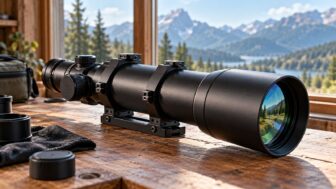
Prism scopes use an etched reticle and compact optical design. They can be useful for shooters who want magnification without the length of a traditional rifle scope. They may also work better than a red dot for some users with astigmatism, though every eye is different.
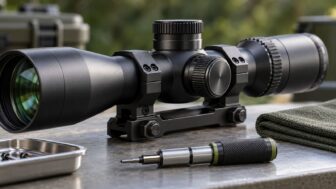
Two verified options worth comparing: the Primary Arms SLx 3x32mm Gen III Prism Scope uses the illuminated ACSS 5.56 CQB-M2 reticle, ships with a ruggedized mount built on the same footprint as a Trijicon ACOG mount, and carries Primary Arms’ transferable lifetime warranty. The Vortex Spitfire HD Gen II 3x Prism Scope uses the BDC4 reticle, offers multi-height mounting, works without illumination since the reticle is glass-etched, and is backed by Vortex’s unlimited VIP warranty.
LPVO alternatives
A low-power variable optic gives more flexibility than a fixed prism scope. It is usually larger and heavier, but it can move from close-range magnification to higher power for more precise aiming. If you want one optic to cover more roles, an LPVO may be the better comparison.
The Vortex Strike Eagle 1-6×24 Second Focal Plane Riflescope is a common upgrade path from a fixed prism scope: a true 1x on the low end for close-range, both-eyes-open shooting, an illuminated BDC3 reticle with holdovers out to 650 yards on the high end, and a thread-in throw lever for fast magnification changes.
Red dot and magnifier setups
A red dot with a flip magnifier can be faster at close range and still offer limited magnification when needed. This setup adds parts and weight, but it may be easier to use for short-range shooting than a fixed 4x optic.
A practical pairing is the Sig Sauer Romeo5 1x20mm 2 MOA Red Dot with the Vortex VMX-3T 3x Flip-to-Side Magnifier. The Romeo5 runs on motion-activated illumination with daylight-bright settings for fast, both-eyes-open target acquisition, and the VMX-3T flips in behind almost any red dot brand for a 3x boost, then flips out of the way when you don’t need it.
Old Product Lineup Status
The old article included several mixed products, including budget scopes, prism-style optics, and a real Trijicon ACOG. That mixed list has been replaced with the verified picks in the Quick Picks table and in each section above.
| Old lineup type | Current status | Notes |
|---|---|---|
| Budget “ACOG type” listings | Removed | Clone framing dropped. Replaced with named prism scopes from Primary Arms and Vortex, each linked to a verified, in-stock Amazon listing. |
| General rifle scopes | Routed separately | General rifle scope coverage belongs on its own comparison page rather than mixed into this prism-scope guide. |
| Real Trijicon ACOG | Kept out of this guide | The genuine ACOG is a separate premium optic line and is not part of this budget-to-mid-range alternatives list. |
| Bushnell prism candidates | Not yet verified | No current Bushnell prism scope met our verification bar at the time of this update. This row will be filled in once one does. |
Buying Guide
Start by deciding what problem the optic should solve. If you need close-range speed, a red dot may be simpler. If you want a compact fixed magnified optic, compare prism scopes. If you need flexible magnification, compare LPVOs. Avoid buying based on copycat wording, aggressive tactical claims, or product photos alone.
Next, check the details that affect use: eye relief, field of view, reticle subtensions, illumination controls, battery type, mount height, weight, and whether the warranty comes from a real brand. If the listing cannot answer those questions, skip it until a better source is available.
FAQ
Is an ACOG-style optic the same as an ACOG?
No. ACOG refers to Trijicon’s optic family. Other compact prism scopes may have similar shopping intent, but they should be evaluated as their own products.
Are prism scopes good for AR-style rifles?
They can be, depending on magnification, eye relief, mount height, and the type of shooting you do. Always confirm safe mounting and zero at the range.
Should I buy a clone optic?
Be careful with that language. It is better to buy a legitimate prism scope or rifle optic with clear model information, warranty support, and current seller details.
How were these products verified?
Each optic listed on this page was checked against its live Amazon listing for a matching title and spec sheet, current in-stock status, mounting footprint, reticle type, and manufacturer warranty before it was added here.
Bottom Line
Skip vague clone claims. The prism scopes, the LPVO, and the red-dot-plus-magnifier pairing above are verified, in-stock alternatives, so compare them against your rifle, range, eye relief needs, reticle preference, mount, and warranty before buying.