Survival Gear for Serious Hunting: 10 Field Safety Items to Pack
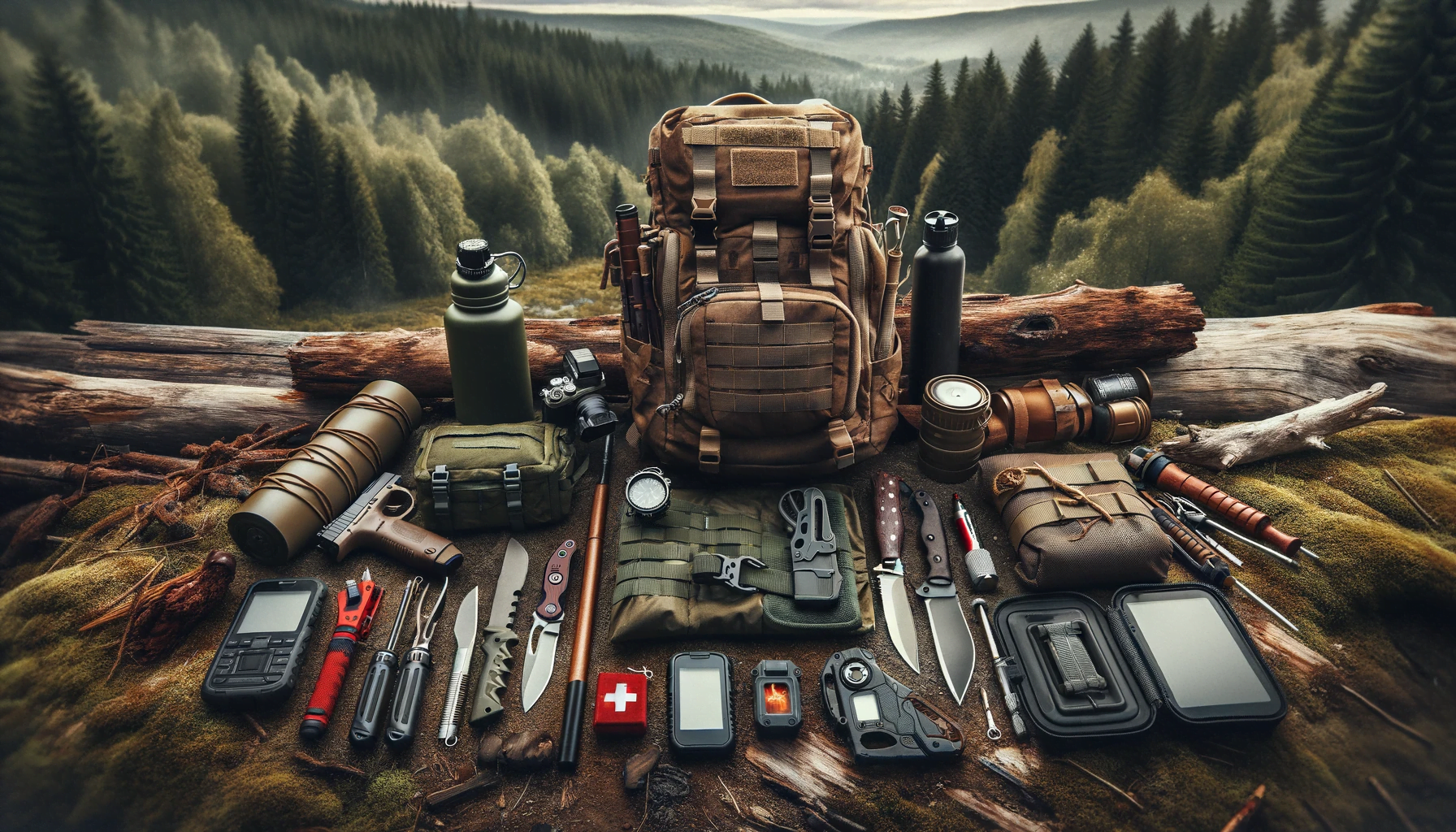
Survival gear for serious hunting should solve field problems, not just fill a pack. The core kit should help you navigate, stay warm, treat injuries, signal for help, make water safer, handle weather, and get back out when the plan changes. Start with the hunt location, season, distance from the truck, and worst likely weather.
This guide is a practical checklist for day hunts, remote scouting, public-land trips, and cold-weather sits. It does not replace local rules, firearm safety training, medical training, or a real emergency plan.
Table of contents
Survival Gear for Serious Hunting: Quick List
The best survival kit is matched to the trip. A short evening sit near the truck needs less than a mountain hunt, but the basics stay similar.
Core items to carry
Carry navigation backup, headlamp, extra batteries, fire starter, emergency blanket or bivy, first-aid kit, water treatment, extra food, knife or multi-tool, whistle, weather layer, and a charged phone or communication device. The National Park Service Ten Essentials list is a useful outside baseline for building a field kit.
Adjust for season and distance
Cold, heat, rain, steep terrain, water crossings, and long pack-outs all change what belongs in the kit. Pack for the hardest likely condition, not the easiest forecast.
Practice before the hunt
Gear only helps if you know how to use it. Practice reading the map, starting a fire safely where legal, filtering water, using the headlamp with gloves, and accessing the first-aid kit without emptying the pack.
Navigation and Communication
Navigation is the first survival layer. Getting turned around, losing daylight, or missing the exit trail can turn a normal hunt into a long night.
Carry two navigation methods
A phone map or GPS is useful, but batteries and signal can fail. Carry an offline map, paper map, compass, or another backup. The federal GPS.gov site is a useful reference for understanding GPS basics.
Share a trip plan
Leave your route, parking spot, hunting area, and return time with someone at home. If plans change, update that person when you have service.
Choose communication for the terrain
A phone may be enough near roads and service. In remote areas, a satellite messenger, personal locator beacon, or radio may be worth carrying. Test the device before the season.
Shelter and Warmth
Exposure is a real risk for hunters because long sits, sweat, wind, rain, and darkness can drop body temperature fast.
Pack an emergency layer
A compact rain shell, puffy layer, wool hat, gloves, or emergency blanket can buy time when weather shifts or a pack-out takes longer than planned.
Keep insulation dry
Use a dry bag or liner for key layers. Wet insulation loses value quickly, especially when wind picks up or you stop moving.
Know cold-stress signs
The CDC’s cold stress guidance is a useful safety reference for hypothermia and frostbite risk. Hunters should treat shivering, confusion, numbness, and poor coordination seriously.
Water and Food
Water and calories affect decision-making. A tired, thirsty hunter is more likely to rush, miss signs, or make poor route choices.
Carry water and a treatment option
Bring enough water for the planned hunt and a way to treat more if the trip runs long. Filters, purification tablets, or boiling can reduce risk when used correctly. The CDC’s water treatment guidance for travel and outdoor use is a useful reference before relying on streams or ponds.
Pack simple calories
Choose food that can be eaten cold, with gloves, and without cooking. Bars, nuts, jerky, dried fruit, and electrolyte packets are simple options.
Avoid depending on foraging
Foraging is not a reliable emergency food plan unless you have strong plant-identification skill. Mistakes with wild plants or mushrooms can be dangerous.
First Aid and Emergency Care
A hunting first-aid kit should match the likely injuries: cuts, sprains, blisters, cold exposure, dehydration, eye irritation, and more serious bleeding risk.
Build the kit around training
Carry supplies you know how to use. A small kit may include bandages, gauze, tape, blister care, antiseptic wipes, gloves, pain reliever, personal medicine, and a pressure dressing. The American Red Cross first-aid kit guidance is a practical reference for basic kit contents.
Consider bleeding-control training
Hunters use knives, broadheads, firearms, and rough tools. First-aid training is worth taking before a remote hunt, especially if you hunt alone or far from roads.
Keep medicine accessible
Personal medication, allergy treatment, inhalers, or glucose should not be buried deep in the pack. Make sure a hunting partner knows where critical medicine is stored.
Tools, Light, and Fire
Small tools can solve simple problems before they become bigger ones. Keep them easy to reach and test them before the hunt.
Use a headlamp, not only a phone
A headlamp keeps both hands free for blood trailing, field dressing, walking out, or fixing gear. Carry spare batteries or a backup light.
Carry two fire-starting methods
A lighter and waterproof matches, or a lighter and ferro rod, give backup. Follow local fire rules and avoid starting fires where they are unsafe or prohibited.
Bring repair basics
A small multi-tool, tape, cord, zip ties, and a few safety pins can repair straps, hang a tarp, mark gear, or fix small pack problems.
Clothing and Pack Fit
Clothing is survival gear. It controls moisture, heat, noise, and mobility.
Layer for movement and sitting
Hunters often hike in, then sit still. Wear layers that can be adjusted before sweat soaks the base layer. Pack a dry layer if the weather is cold or wet.
Break in boots early
New boots can cause blisters and slow the exit. Wear boots before the season and carry blister care on longer walks.
Keep the pack balanced
Put heavier items close to your back and centered. Keep emergency gear, water, headlamp, and navigation tools where they can be reached quickly.
How to Pack the Kit
Pack by priority, not by how items look on a table. The most important items should be reachable under stress, in low light, and with cold hands.
Make a grab zone
Use one pocket or pouch for emergency items: headlamp, lighter, whistle, small first-aid items, water treatment, and communication device.
Check weight honestly
A survival kit that is too heavy may get left behind. Choose compact, reliable items and remove duplicates that do not add real backup value.
Run a pre-season pack check
Before the opener, empty the pack, replace dead batteries, inspect medicine dates, check water filters, update maps, and remove old food. Use the National Weather Service weather safety hub to review seasonal risks before longer trips.
Common Mistakes
The weakest survival plans usually fail in simple ways: missing batteries, no map backup, wet layers, or gear the hunter has never practiced with.
Buying gear instead of learning skills
A compass does not help if you never practice. A water filter does not help if it is frozen, clogged, or left at home. Skill turns gear into safety.
Skipping the exit plan
The walk out is often harder than the walk in. Darkness, weather, steep terrain, and game recovery can make the return slower than expected.
Forgetting local rules
Some areas restrict fires, camping, motor access, bait, carcass movement, or overnight parking. Check property rules before building the plan.
Hunting Survival Checklist
Use this checklist before a serious hunt, then add items required by your season, terrain, and personal needs.
- Offline map, paper map, compass, or GPS backup.
- Charged phone plus communication backup for remote areas.
- Headlamp and spare batteries.
- First-aid kit and personal medication.
- Water, water treatment, and simple food.
- Emergency blanket, bivy, rain shell, or extra insulation.
- Lighter, waterproof matches, or other legal fire-starting backup.
- Knife or multi-tool, tape, cord, and small repair items.
- Whistle, signal mirror, or other signaling option.
- Written trip plan shared with someone at home.
Related Guides
For more preparation, read our outdoor adventure hunting guide, sickness on the hunt guide, and first-time hunting guide.
FAQ
What survival gear should every hunter carry?
Every hunter should carry navigation backup, light, water, food, first aid, fire-starting backup, emergency insulation, communication, and a simple repair tool set. The exact kit should match the trip.
Should a hunting survival kit include a GPS?
A GPS or phone map is useful, but it should have a backup. Carry an offline map, paper map, compass, or other option in case batteries, signal, or screens fail.
How heavy should a hunting pack be?
There is no single safe weight for everyone. Pack weight depends on fitness, terrain, distance, season, and game recovery. Carry what the trip needs, but keep the kit light enough that you will actually bring it.
Do day hunters need emergency gear?
Yes. Day hunters can still get delayed by injury, weather, darkness, difficult terrain, or game recovery. A small emergency kit can make a short problem easier to handle.
What is the most overlooked survival item?
A shared trip plan is often overlooked. Someone should know where you parked, where you planned to hunt, who is with you, and when to expect you back.