Pistol Ammo Sizes: Safe Handgun Cartridge Basics
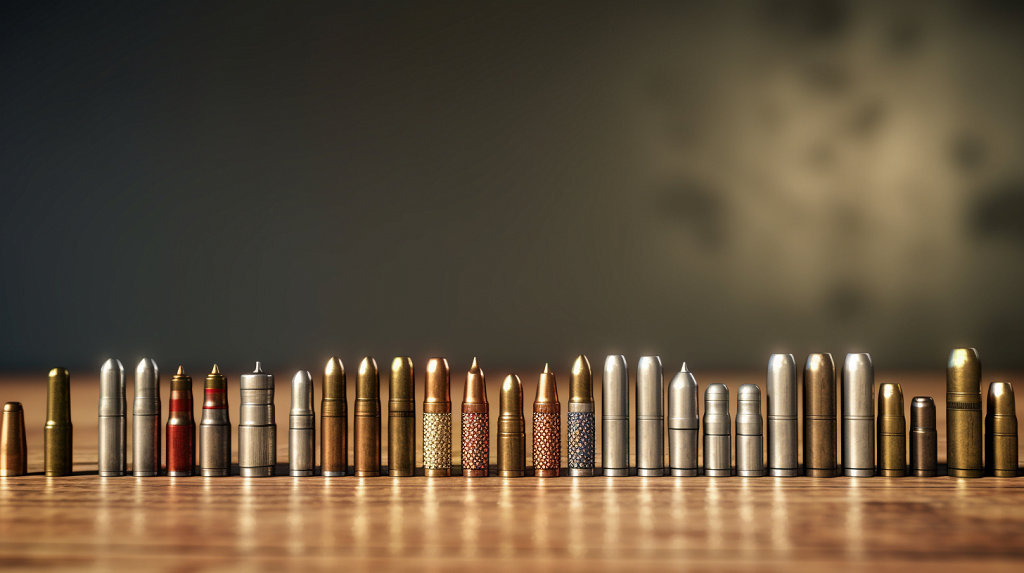
Pistol ammo sizes are cartridge names, not interchangeable labels. A handgun must use the exact cartridge marked on the firearm and listed in the owner’s manual. Similar-looking cartridges can be unsafe or incompatible, so the first rule is simple: match the ammunition to the firearm, not to a guess.
This guide explains common handgun cartridge names at a high level for educational use. It is not a loading manual, legal guide, or purchase recommendation. Always follow the firearm manufacturer’s manual, range rules, and local law.
Table of Contents
Quick Answer
Common pistol ammo sizes include .22 LR, .380 ACP, 9mm Luger, .38 Special, .357 Magnum, .40 S&W, .45 ACP, and 10mm Auto. These names describe different cartridges, and they are not automatically interchangeable. The safe choice is the cartridge printed on your firearm and approved in the manual.
Ammo Safety Comes First
The NSSF firearm safety rules include using only the correct ammunition for the firearm. That sounds basic, but it is one of the most important ammunition rules because a cartridge can look close and still be wrong.
- Read the marking on the barrel, slide, cylinder, or receiver.
- Confirm the cartridge in the owner’s manual.
- Read the ammunition box label carefully.
- Do not use damaged, corroded, unknown, or mixed ammunition.
- Ask a qualified gunsmith, instructor, or manufacturer if anything is unclear.
Caliber vs. Cartridge
Caliber usually refers to bullet or bore diameter, but the full cartridge name matters more for safety. For example, two cartridges can share a similar bullet diameter while having different case lengths, pressure levels, or firearm requirements.
That is why “9mm” by itself can be too vague in some conversations. Many shooters mean 9mm Luger, but other 9mm cartridges exist. The full name on the firearm and ammunition box is the safer reference.
Common Pistol Cartridge Names
.22 LR
.22 Long Rifle is a small rimfire cartridge used in many training, target, and recreational firearms. It has low recoil, but it still requires full firearm safety habits and proper backstops.
.380 ACP
.380 ACP is a compact handgun cartridge. It is not the same as 9mm Luger, even though the bullet diameter can sound similar in casual conversation.
9mm Luger
9mm Luger is one of the most common centerfire handgun cartridges for modern pistols. Check the exact marking because not every cartridge with “9mm” in the name is the same.
.38 Special and .357 Magnum
.38 Special and .357 Magnum are revolver cartridges often discussed together, but compatibility depends on the firearm. Some .357 Magnum revolvers can use .38 Special, but a .38 Special revolver should not be treated as a .357 Magnum firearm. Follow the manual and firearm markings.
.40 S&W
.40 S&W is a centerfire handgun cartridge used in some pistols. It should be used only in firearms specifically marked and rated for it.
.45 ACP
.45 ACP is a larger-diameter handgun cartridge used in many pistols. As with every cartridge, bullet diameter alone is not enough; use the exact approved cartridge name.
10mm Auto
10mm Auto is a centerfire handgun cartridge used in specific pistols. It is not interchangeable with .40 S&W unless a firearm manufacturer explicitly provides an approved conversion or configuration.
What to Check Before Using Ammunition
- Exact cartridge marking on firearm and ammunition box.
- Manufacturer manual and any ammunition restrictions.
- Bullet type allowed by the range or match.
- Condition of the cartridge case, primer, and bullet.
- Whether the ammunition is factory-loaded or reloads from a known safe source.
- Local rules for storage, transport, and use.
The Sporting Arms and Ammunition Manufacturers’ Institute publishes technical standards for firearms and ammunition. Most readers do not need to study pressure tables, but SAAMI is a useful source for understanding why exact cartridge standards matter.
Storage and Transport Basics
Ammunition should be stored securely, dry, and away from unauthorized access. Project ChildSafe provides firearm safety and secure-storage education that can help households think through responsible storage habits.
Transport rules vary by location, so check local law before traveling with firearms or ammunition. At the range, keep ammunition organized and do not mix loose cartridges from different boxes if you are not certain what they are.
FAQ
Are 9mm and .380 ACP the same?
No. They are different cartridges. Use only the cartridge marked on your firearm and approved in the manual.
Can a .357 Magnum revolver shoot .38 Special?
Some .357 Magnum revolvers are designed to use .38 Special, but you must confirm this in the firearm manual. Do not assume compatibility from internet comments alone.
What is the safest way to identify pistol ammo?
Use the exact cartridge name on the ammunition box, then match it to the firearm marking and manual. If the ammunition is loose, damaged, or unknown, do not use it.
Are reloads safe to use?
Reloaded ammunition depends on the quality and safety of the loading process. New shooters should be careful with unknown reloads and follow firearm manufacturer guidance. If unsure, use suitable factory ammunition from a reputable source.
Does bigger pistol ammo mean better performance?
Not automatically. Recoil, shooter control, firearm fit, purpose, reliability, and safe compatibility matter. Bigger is not useful if it makes the shooter less safe or less consistent.
Final Takeaway
Pistol ammo sizes should be handled by exact cartridge name. Read the firearm marking, check the manual, confirm the box label, avoid unknown ammunition, and ask a qualified professional when anything is unclear.