When Is Deer Hunting Season? How to Check Your State Rules
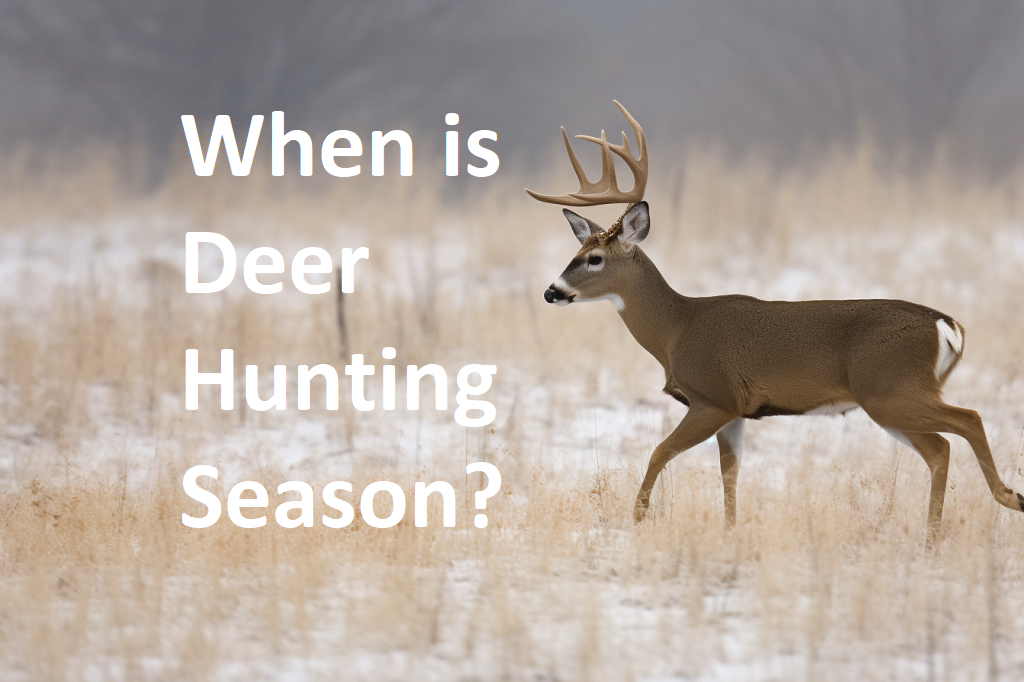
Deer hunting season depends on the state, species, unit, weapon type, license, tag, and year. The right answer is not one national date; it is the current season listed by your state wildlife agency for the exact deer hunt you plan to make.
This guide explains how to check deer season safely without relying on old charts or search snippets. Use it as a planning checklist, then confirm the final dates and rules with your current state regulations before hunting.
Table of contents
Quick Answer: When Is Deer Hunting Season?
Deer hunting season is usually set by each state wildlife agency and often changes by deer species, unit, weapon, tag type, and hunter category. Many areas have separate archery, firearm, muzzleloader, youth, antlerless, and special-draw seasons, so the correct date is the one in the current rulebook for your exact hunt.
- Check first: Current state wildlife agency regulations.
- Confirm species: Whitetail, mule deer, blacktail, or other local deer classification.
- Confirm unit: County, zone, wildlife unit, public-land area, or management region.
- Confirm weapon: Archery, firearm, muzzleloader, crossbow, youth, or special season.
- Confirm tag: Buck, doe, antlerless, either-sex, draw, general, resident, nonresident, or landowner tag.
Why Deer Season Varies
Deer season varies because wildlife agencies manage deer populations, breeding timing, disease risk, habitat pressure, public safety, and harvest goals differently across regions. A date that is legal in one county or unit may be wrong a short drive away.
- Population goals: Some areas need more antlerless harvest, while others protect lower deer numbers.
- Species differences: Whitetail, mule deer, and blacktail seasons may not match.
- Weapon separation: Archery often opens separately from firearm seasons.
- Public-land pressure: Agencies may split seasons to manage hunter density and safety.
- Disease management: Chronic wasting disease zones and other disease rules can affect seasons and reporting.
That is why old calendars are risky. Even if the month sounds right, the legal details can change through regulations, emergency orders, harvest quotas, or local closures.
Official Deer-Season Checklist
The safest way to answer “when is deer hunting season” is to work through the official regulation in order. Start with the state wildlife agency, not a forum, AI answer, or outdated blog chart.
A hunter education resource such as Hunter-Ed’s guidance to know and obey hunting laws is useful for the principle: hunters are responsible for current rules. The final answer still comes from the current agency regulation.
- Step 1: Open the current deer hunting regulations from the state wildlife agency.
- Step 2: Select the deer species and season type.
- Step 3: Match your hunting unit, county, zone, or public-land area.
- Step 4: Confirm opening date, closing date, legal shooting hours, and weapon rules.
- Step 5: Confirm tag, bag limit, antler rules, reporting, and check-station requirements.
Archery, Firearm, and Muzzleloader Seasons
Most deer hunters need to check the season by weapon type. Archery, firearm, muzzleloader, crossbow, and special youth seasons may have different dates and rules even in the same area.
- Archery season: Often opens earlier, but crossbow eligibility and broadhead rules vary.
- Firearm season: May include rifle, shotgun, straight-wall cartridge, handgun, or local weapon restrictions.
- Muzzleloader season: Can have separate dates and special rules for ignition, optics, and projectiles.
- Youth or mentor season: May have special supervision, age, tag, and weapon requirements.
- Late antlerless season: Often used for management goals and may have separate tag rules.
For firearms, keep the basic NSSF firearm safety rules in mind: control the muzzle, keep your finger off the trigger until ready, and know your target and what is beyond it. Those rules matter across every deer season.
Tags, Units, and Antler Rules
A season date alone does not make a hunt legal. Your tag has to match the deer, unit, sex, antler status, weapon, and date. This is where many mistakes happen.
- Antlered or antlerless: Know whether your tag allows a buck, doe, either-sex deer, or specific antler class.
- Unit validity: A tag may be legal in one unit but not the next.
- Draw versus general: Some tags are over-the-counter, while others require draw results or preference points.
- Resident status: Resident and nonresident seasons, tags, and quotas can differ.
- Reporting: Harvest reports, check stations, samples, or online confirmation may be required.
If the rulebook uses terms such as “antlerless,” “antler point restriction,” “either-sex,” “CWD zone,” “draw unit,” or “bonus tag,” read the definitions section before hunting.
What to Confirm Before Hunting
The week before deer season should be used to confirm rules, access, gear, weather, and recovery plans. This helps prevent legal mistakes and rushed decisions on opening morning.
- Regulations: Save the current rulebook or official app offline.
- License and tag: Confirm both are valid and carried as required.
- Access: Check public-land boundaries, private permission, parking, and road closures.
- Equipment: Confirm legal weapon, ammunition, broadheads, blaze orange, and tree-stand gear.
- Weather: Plan clothing, travel, and meat care around real conditions.
- Recovery: Carry lights, navigation, game bags, and a plan for help if needed.
For public lands, broad guidance such as the U.S. Forest Service hunting overview can help you think about access and shared-use issues, but the local forest, district, or state agency still controls the final rules.
Safety and Recovery Planning
Deer season often brings more hunters into the field, especially on opening weekend. safety planning should cover target identification, backdrop, partner locations, roads, property boundaries, and recovery before the shot.
- Identify the deer: Confirm species, sex, antler status, and tag match before deciding.
- Know the backdrop: Never shoot at movement, sound, or a partial target with an unknown background.
- Use visible clothing: Follow blaze-orange or blaze-pink rules where required.
- Plan tree-stand safety: Use a full-body harness and follow stand instructions.
- Recover legally: Know property boundaries and permission rules before tracking.
Legal deer hunting also connects to conservation funding. The U.S. Fish and Wildlife Service Wildlife and Sport Fish Restoration Program explains how hunting and fishing funds support wildlife management, which is why tags, seasons, and reporting rules matter.
FAQ
Is deer season the same date in every state?
No. Deer season varies by state, species, unit, weapon type, tag, and year. Always check the current state wildlife agency regulations.
When does deer season usually start?
Many archery deer seasons start before firearm seasons, but the exact date depends on the state and unit. Use the current rulebook rather than a generic month.
Are archery and firearm deer seasons different?
Often, yes. Archery, firearm, muzzleloader, youth, and antlerless seasons can have separate dates and rules even in the same area.
Where should I check deer season dates?
Check your state wildlife agency website, current regulation PDF, official hunting app, or license portal. If two sources disagree, contact the agency before hunting.
Does having a deer tag mean I can hunt any deer?
No. The tag must match the deer, unit, sex or antler class, weapon season, date, and any special conditions listed in the regulations.
Bottom Line
Deer hunting season starts when your current state wildlife agency rules say it starts for your species, unit, weapon, and tag. Check the official regulation, confirm access and reporting, and treat safety and recovery planning as part of the season check.