Mountain Archery Fest: What to Expect and How to Prepare
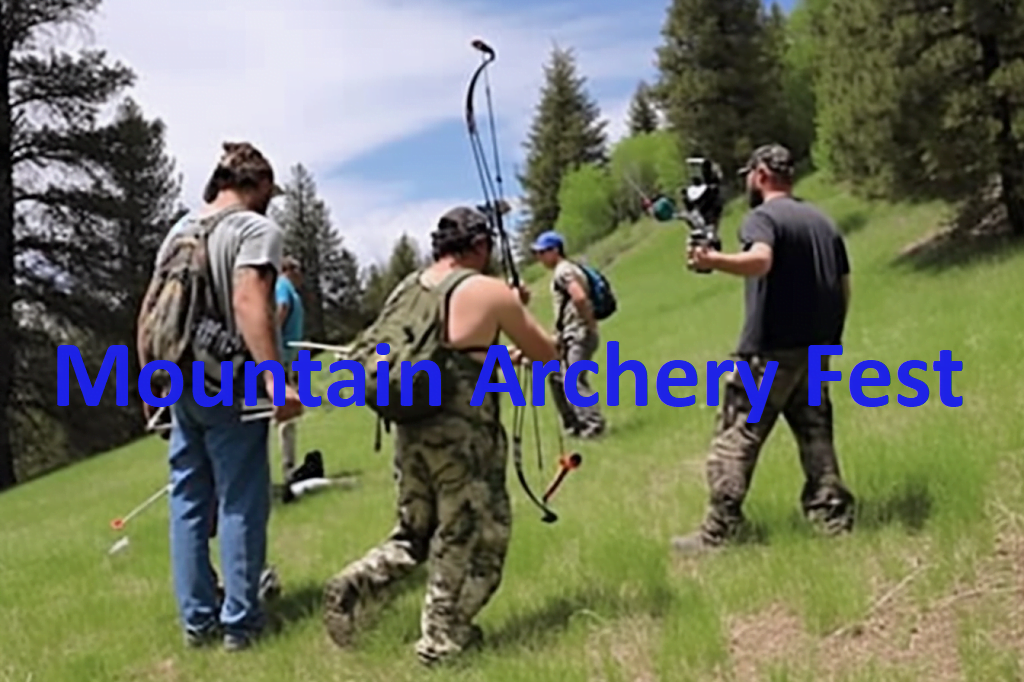
Mountain Archery Fest is best understood as a mountain-style 3D archery event experience: steep terrain, outdoor target courses, variable weather, and a bigger focus on real-world shooting angles than a flat range. Exact dates, locations, rules, and registration details can change, so always verify current information with the official event organizer before making plans.
This guide explains what to expect at a mountain archery event, how to prepare safely, what gear checks matter, and how to approach the course without turning a fun event into a rushed or unsafe day.
Table of Contents
Quick Answer
Mountain Archery Fest is an outdoor archery event style built around mountain terrain and 3D target shooting. Archers should expect walking, elevation changes, angled shots, changing light, and event-specific rules. Before attending, verify the current schedule, venue, registration, course rules, equipment rules, and weather plan with the official event source.
The main preparation mistake is treating it like a normal backyard or flat-range session. Mountain-style events reward safe shooting habits, stable footing, tuned equipment, realistic pacing, and enough water and clothing for changing conditions.
What Mountain Archery Fest Is
Mountain archery events usually combine 3D targets with natural terrain. Instead of standing on a flat line all day, archers may move through a course, estimate or confirm distance according to event rules, and shoot from uphill, downhill, or uneven positions.
These events can be useful practice for bowhunters, recreational archers, and competitive shooters who want a more realistic course than a simple target lane. They can also be social events with vendors, practice ranges, seminars, and family-friendly areas depending on the specific stop.
Because event details are time-sensitive, use the official Mountain Archery Fest website for current dates, locations, tickets, rules, and course information.
What to Check Before You Go
Before registering or traveling, confirm the event location, start time, parking, check-in process, course options, bow classes, rangefinder rules, arrow requirements, broadhead restrictions, youth rules, pet rules, and refund or weather policies.
Do not assume last year’s event details still apply. Mountain venues, course layouts, and sponsor rules can change. Screenshot or save your registration, but still check the official event page close to travel day for updates.
Archery Gear and Course Prep
Start with a safe, tuned bow. Check string and cables, limb condition, sight screws, rest alignment, quiver fit, release or tab, arrows, nocks, fletching, and field points. A loose screw or damaged arrow can ruin a course day and create safety risk.
Bring enough arrows for misses and damaged shafts. Mountain courses can include rocks, brush, and steep target backdrops. Use only event-approved points. Do not bring broadheads unless the official rules specifically allow them in a controlled area.
The Archery Trade Association’s Archery 360 site has beginner-friendly resources on archery participation and learning the sport. For event prep, the key is simple: show up with safe equipment and enough practice to shoot within your limits.
Range Safety and Event Etiquette
Follow event commands and course rules exactly. Shoot only from designated stakes or areas, wait until the lane is clear, never nock an arrow while people are downrange, and do not draw toward people, trails, vehicles, or unknown backstops.
For basic target-archery context, the target archery overview explains why shooting order, commands, and arrow retrieval rules matter. Event rules may differ, but the safety principle is the same: nobody shoots or retrieves arrows outside the event’s controlled process.
Mountain terrain adds extra safety concerns. Keep stable footing before drawing. Do not rush shots on steep ground. If an arrow is lost in a risky area, follow event rules instead of scrambling into unsafe terrain.
USA Archery is the national governing body for Olympic-style archery in the United States and provides structured resources for archery programs and athlete development. Even at a recreational event, the same idea applies: safe systems and trained instruction matter.
Terrain, Weather, and Fitness
Mountain courses can involve walking, climbing, uneven ground, altitude, sun, wind, rain, cold mornings, and warm afternoons. Wear footwear with traction, bring water, and pace yourself. A fun course can become a poor experience if you ignore weather and terrain.
Pack layers, sun protection, snacks, and any needed personal medication. If you are bringing youth archers or newer shooters, choose a course and pace that fits their ability rather than trying to finish the hardest option.
Event Day Checklist
- Current registration, schedule, location, and course rules confirmed.
- Bow inspected for string, cable, limb, rest, sight, and screw issues.
- Arrows checked for cracks, damaged nocks, loose inserts, and fletching damage.
- Event-approved field points packed.
- Release, tab, arm guard, quiver, rangefinder if allowed, and repair basics packed.
- Water, snacks, weather layers, sun protection, and sturdy footwear ready.
- Phone charged and parking/check-in plan saved.
- Safety mindset set: shoot within your ability and follow course commands.
FAQ
Is Mountain Archery Fest beginner-friendly?
It can be, depending on the course, event rules, and the archer’s skill level. Beginners should verify available course options, practice before attending, and choose a pace and difficulty level that stays safe.
Do I need a hunting bow for a mountain archery event?
Not always. Equipment rules depend on the event and class. Check the official rules before attending, especially for rangefinders, sights, stabilizers, arrow requirements, and youth equipment.
Can I use broadheads at Mountain Archery Fest?
Do not assume broadheads are allowed. Most 3D event courses use field points unless a specific controlled area or rule says otherwise. Check the current official event rules.
What should I bring to a mountain archery course?
Bring safe archery equipment, extra arrows, water, snacks, sturdy footwear, weather layers, sun protection, registration information, and any small repair items allowed by the event.
Where should I check current Mountain Archery Fest dates?
Use the official Mountain Archery Fest website or the event organizer’s official channels. Dates, locations, rules, and registration details can change.