AR-15 Build Safety Checklist: Legal Sources, Parts Fit, and Qualified Help
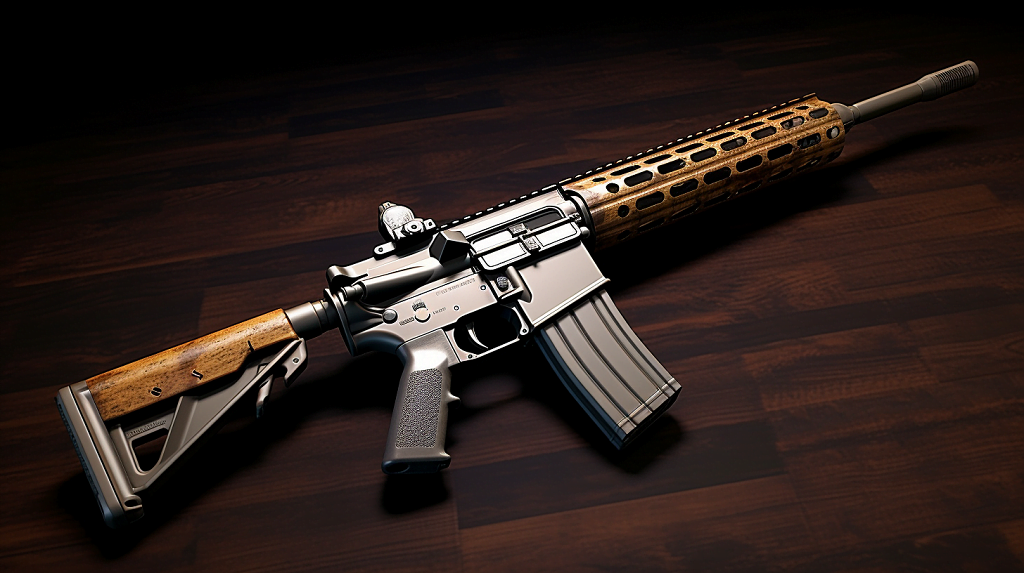
Building or modifying an AR-15 should start with legal, safety, and qualified-help checks, not a parts list or assembly shortcut. Laws, firearm definitions, state restrictions, parts compatibility, and safe function requirements can change by location and use.
This page is a non-procedural AR-15 readiness checklist. It does not provide assembly steps, parts recipes, machining guidance, troubleshooting directions, or legal advice. Use current official sources, manufacturer instructions, and qualified help before acting.
Table of Contents
Quick Check
Before starting any AR-15 build or modification project, confirm the legal path, source of parts, compatibility, safe function requirements, and whether the work needs a qualified gunsmith.
- Legal status: Check federal, state, and local rules for the firearm and parts.
- Transfer path: Confirm whether any item requires an FFL, background check, or state compliance step.
- Compatibility: Verify exact part fit with current manufacturer documentation.
- Safety: Follow firearm safety rules before handling any firearm or component.
- Qualified help: Use a competent gunsmith when work affects safe function.
Legal And Transfer Checks
Legal checks should happen before buying parts or planning a build.
Start with the ATF firearms resources, then check your state and local rules. Some items, configurations, features, or transfer situations may be regulated differently depending on where you live and how the firearm is acquired or configured.
If forms, transfers, serialization, background checks, state restrictions, magazine limits, feature restrictions, or transport rules may apply, confirm the current requirement through official sources or a qualified local professional. This page does not interpret the law for your situation.
Safety Before Any Work
Safety checks come before tools, parts, and range plans.
Review the NSSF firearm safety rules before handling any firearm. Keep the muzzle pointed in a safe direction, keep your finger off the trigger until ready to fire, and know your target and what is beyond it.
Work only in a safe, controlled area with the firearm unloaded and ammunition stored away unless a qualified procedure specifically requires otherwise. If you are not certain about safe condition, stop and get help.
Compatibility Questions
AR-style parts can look similar while differing in fit, function, legal status, or safe-use requirements.
- Does the part match the exact platform, caliber, and manufacturer notes?
- Does it affect safe function, headspace, trigger operation, gas system behavior, or reliability?
- Does it require torque values, gauges, tools, inspection, or fitting that you are not qualified to perform?
- Does it change magazine, stock, muzzle device, optic, sling, or accessory compatibility?
- Does it affect warranty, range rules, match division, or legal configuration?
- Does the manufacturer provide current instructions and warnings?
If compatibility cannot be confirmed from current documentation, do not force parts together or guess.
When To Use Qualified Help
Use a qualified gunsmith or qualified instructor when the work affects safe operation.
Examples include work involving the barrel, chamber, headspace, gas system, trigger, fire-control parts, muzzle device attachment, receiver work, or any issue that creates uncertainty about safe function. A short article is not a substitute for proper tools, inspection, and training.
For basic handling and storage habits, the broader NSSF safety resource page is a helpful refresher, but it does not replace manufacturer instructions or qualified inspection.
Range And Use Rules
A rifle can be mechanically functional and still not allowed for a range, match, or location.
Check range rules, match divisions, ammunition rules, magazine limits, sling requirements, case or chamber flag rules, transport rules, and local restrictions before use. If the rifle will be used for hunting or competition, check those rulebooks separately.
What This Page Will Not Tell You To Do
A safe AR-15 article should not replace manufacturer instructions or qualified inspection.
- It will not provide assembly steps.
- It will not provide a parts recipe.
- It will not explain machining or receiver work.
- It will not diagnose mechanical problems from a short description.
- It will not interpret firearm law for your location.
- It will not claim a setup is safe without qualified inspection.
FAQ
Can I learn to build an AR-15 from one article?
No. A single article can help you identify what to verify, but it should not replace current law, manufacturer instructions, proper tools, training, or qualified inspection.
Why avoid assembly instructions here?
Assembly details can affect safe function and legal status. Generic internet instructions may be wrong for a specific part, firearm, or location.
What should I verify before buying AR parts?
Verify legal status, exact compatibility, current manufacturer instructions, safe-use warnings, warranty impact, and whether qualified gunsmith work is needed.
When should I stop and get help?
Stop if you are unsure about legal status, part compatibility, safe function, required tools, inspection, or any work involving safety-critical systems.
Is this legal advice?
No. Use official federal, state, and local sources or a qualified local professional for legal questions.
Final Check
Before starting any AR-15 build or modification project, write down the official legal sources, part documentation, compatibility checks, qualified-help plan, safety checks, and range rules. If one item is missing, pause before acting.