Backcountry Gear Selection: 10 Safety Checks Before You Pack
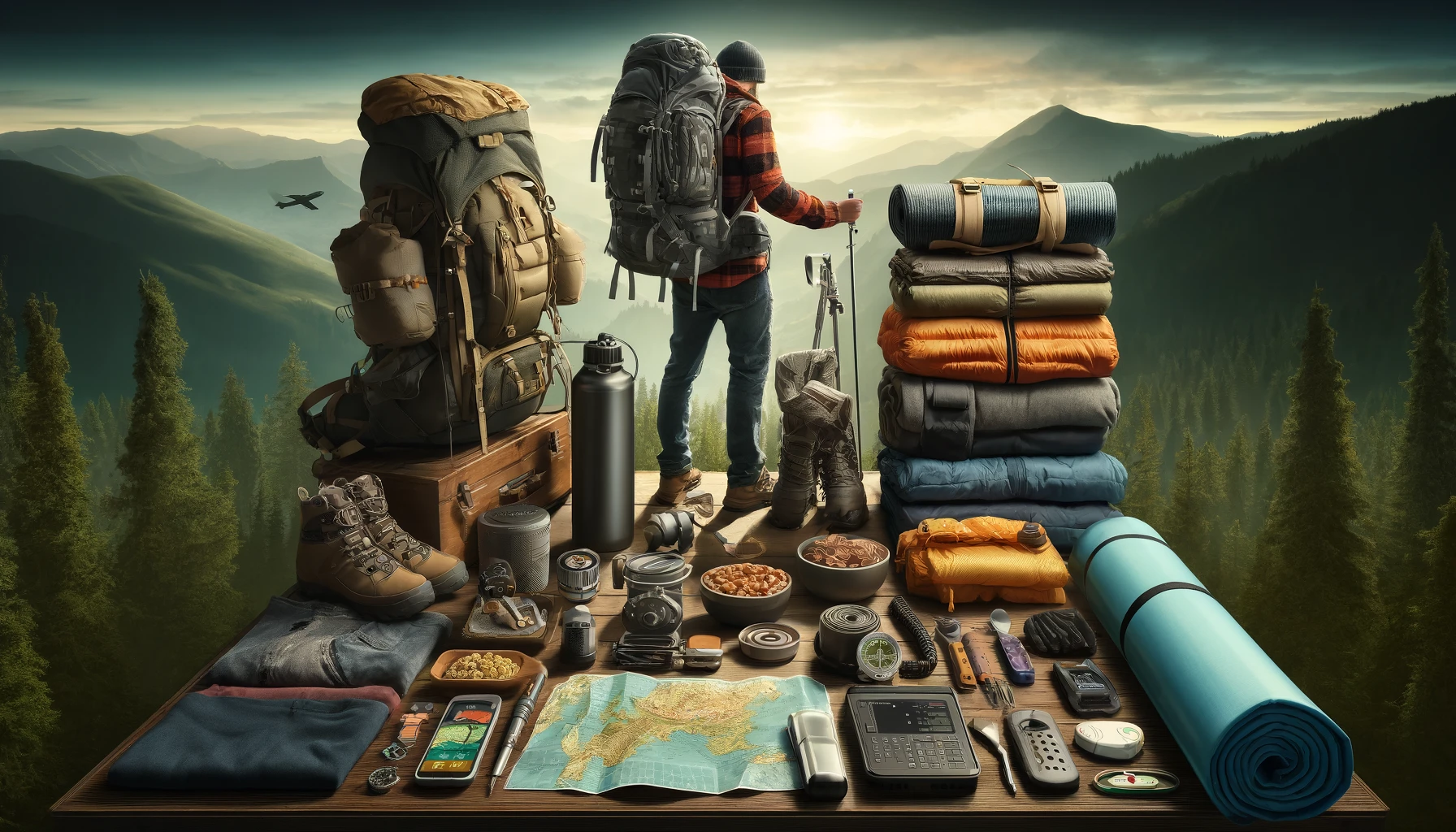
Backcountry gear selection should start with the trip, not with a shopping list. A safe pack for a short marked trail can be very different from a safe pack for an overnight route, a cold ridgeline, a desert drainage, or a wet forest approach.
Use this guide as a practical pre-trip check. It follows the same idea as the National Park Service Ten Essentials: carry the basics that help you handle small injuries, weather changes, navigation problems, and unexpected delays.
Table of contents
Quick Answer: What Backcountry Gear Do You Need?
For most backcountry trips, build around navigation, sun protection, insulation, light, first aid, fire, repair tools, extra food, water treatment, emergency shelter, communication, and weather-ready clothing. Then adjust for terrain, season, group size, water availability, wildlife, and how far you are from help.
The best gear is not always the lightest or most expensive. It is gear you know how to use, can reach when needed, and have tested before the trip.
Choose Gear by Trip Risk, Not Habit
Trip Length
A day hike still needs emergency basics, but an overnight trip adds sleep insulation, more food, stove planning, waste handling, and a stronger weather margin.
Terrain
Steep talus, river crossings, snowfields, desert washes, and dense timber all change what matters. Match footwear, shelter, navigation, water, and repair items to the ground you will actually cross.
Distance From Help
The farther you are from roads, cell service, and other people, the more you need redundancy. A single phone battery should not be the only navigation or emergency plan.
Navigation Gear
Map and Compass
Carry a paper map and compass even if you use GPS. Electronics can fail, batteries die, and screens break. Practice orienting the map before you are tired, wet, or off route.
GPS or Offline Map
Download offline maps before leaving service. Mark trailheads, water sources, bail-out points, and camp options. Keep the device dry and carry a battery bank on longer trips.
Route Notes
Write down junctions, mileage, landmarks, water points, and turnaround times. A small route card helps when a phone dies or weather makes navigation harder.
Weather and Layering
Weather changes are one of the main reasons a normal day becomes a problem. Check the forecast before leaving, then pack for the coldest realistic conditions, not only the warmest part of the day. The National Weather Service safety hub is a useful place to review heat, cold, lightning, wind, flood, and wildfire risks.
Base Layer
Choose a base layer that manages sweat. Avoid relying on cotton in cold or wet conditions because it holds moisture and can make chilling worse.
Insulation Layer
Pack insulation for breaks, wind, and unexpected delays. A light puffy jacket or fleece can matter even when the trailhead feels warm.
Rain and Wind Shell
A shell protects warmth and keeps wind from stripping heat. In exposed country, wind protection can be just as important as rain protection.
Sun Protection
Bring sunglasses, sunscreen, lip protection, and a brimmed hat or sun hoodie. Snow, water, and pale rock can reflect enough light to burn skin fast.
Water Carry and Treatment
Carry Capacity
Plan capacity around distance between reliable water sources. A small filter does not help if the next water is dry, frozen, or unsafe to reach.
Treatment Method
Filters, chemical tablets, boiling, and UV treatment each have limits. Know what your method handles and carry a backup for longer trips.
Electrolytes and Heat
Hot, dry, or high-output trips may require more than plain water. Carry salts or food that helps replace what you lose through sweat.
Food and Cooking Gear
Extra Food
Pack more calories than the planned route requires. Delays, cold, route changes, and injury can stretch a trip longer than expected.
Stove and Fuel
Test the stove before leaving. Cold, wind, altitude, and group size can increase fuel use. Check fire restrictions before relying on any flame.
Food Storage
Use the food-storage method required by the land manager. In bear country, that may mean approved canisters, lockers, or other local rules. The NPS trip planning guide is a good reminder to check destination-specific rules before you go.
Shelter and Sleep System
Emergency Shelter
Even day hikers should carry a small emergency shelter, bivy, or space blanket. If someone is hurt or weather closes in, sitting exposed can become dangerous quickly.
Tent, Tarp, or Hammock
Match shelter to terrain and season. A hammock needs trees and insulation underneath. A tarp needs skill and good anchors. A tent needs a legal, durable site.
Sleeping Bag and Pad
Warmth depends on both the bag and the pad. A warm bag on an under-insulated pad can still feel cold because the ground pulls heat away.
First Aid and Personal Medication
Trip-Specific First Aid
Customize the kit for blisters, cuts, sprains, allergies, stomach issues, and personal medical needs. A generic kit is a start, not a complete plan.
Blister Prevention
Carry tape, blister pads, spare socks, and footwear you have already tested. Treat hot spots early instead of waiting until skin breaks.
Medication Margin
Carry prescription medication with a time buffer in case the route takes longer. Keep critical medication dry and easy to reach.
Communication and Emergency Signaling
Leave a Trip Plan
Tell someone your route, trailhead, vehicle, camp area, group members, and return time. A good trip plan helps searchers know where to start if you do not return.
Satellite Messenger or PLB
For remote trips, a satellite messenger or personal locator beacon can be worth carrying. Understand its subscription, battery, emergency process, and limitations before the trip.
Whistle and Light
A whistle and headlamp are small, light, and useful. Keep a backup light or batteries where you can find them in the dark.
Repair, Fire, and Small Tools
Repair Kit
Carry tape, cord, needle, thread, patches, spare buckles, and the tool needed for your stove or filter. Small repairs can keep a minor failure from ending the trip.
Fire Starter
Carry fire-starting material even when you do not plan a campfire. Check local restrictions first, and do not use fire where it is banned or unsafe.
Knife or Multi-Tool
A small knife or multi-tool helps with food, repairs, first aid, and gear adjustment. Choose a tool you can use safely with cold or wet hands.
Pack Weight and Organization
Keep Heavy Items Close
Pack dense items close to your back and centered. A balanced pack saves energy and reduces awkward movement on uneven ground.
Protect Must-Use Gear
Keep rain gear, first aid, headlamp, water, snacks, map, and emergency items easy to reach. Gear buried at the bottom may as well be absent when weather turns.
Cut Weight After Safety Is Covered
Ultralight choices can help, but do not remove the gear that handles navigation, weather, water, injury, and an unplanned night out. Trim duplicate comfort items first.
Related Guides
For more trip-prep context, read our guides on how to read a compass, ways to signal for help in the wilderness, high country hydration, and altitude sickness prevention.
FAQ
How much should my backcountry pack weigh?
There is no perfect number. Your pack weight should match your fitness, route, weather, water carry, and safety needs. If weight is a problem, reduce duplicate comfort items before removing emergency basics.
Do I need a GPS if I have a phone?
A phone can work well with offline maps, but it should not be your only plan on remote trips. Carry a paper map, compass, and enough battery margin.
What is the most important backcountry item?
Navigation and weather protection are hard to separate. If you know where you are and can stay warm, dry, hydrated, and visible, you have more options when plans change.
Should beginners buy ultralight gear?
Not at first. Beginners usually do better with reliable, easy-to-use gear they have tested. Once you know your needs, lighter upgrades are easier to choose wisely.
Do I need bear storage for every trip?
No, but you must follow the rules for the place you visit. Some areas require approved containers, while others use lockers, hangs, or different food-storage rules.
What should I test before leaving?
Test your stove, filter, headlamp, shelter pitch, rain layers, footwear, maps, battery bank, and emergency communication device. The trail is a poor place to learn that a critical item does not work.
Related reading: best hunting backpacks.
Related reading: best hunting sleeping bag.
Related reading: how to treat blisters outdoors.
Related Outdoor Skills Guides
- canoe poling safety
- edible wild mushroom safety
- endurance hunting
- high country hydration
- how to choose backpack size
- outdoor knots and hitches
- primitive survival skills
- knife sharpening with a stone
- axe sharpening safety
- how to start a fire without a lighter
More Outdoor Safety Guides
- high-tech hunting gear
- high country hydration
- canoe poling
- edible mushroom safety
- knife throwing safety
- first sheep hunt guide