Ethics of Shed Hunting: Closures, Winter Stress, Permission, and Public Land
Shed hunting can be a good way to learn deer and elk country after the season, but it also happens during one of the most sensitive parts of the year. Animals may be coming out of winter with low energy, public lands may have seasonal closures, and private land access still matters even when you are not carrying a weapon.
The ethical question is simple: can you look for antlers without pushing animals, breaking rules, damaging habitat, or creating conflict with landowners and other users? If the answer is no, the right move is to wait. A shed is not worth stressing wildlife or losing access.
Table of Contents
Quick Answer
Wait until it is legal and low impact
Ethical shed hunting means waiting until the area is open, checking current antler collection rules, staying out of winter range when animals are vulnerable, getting private land permission, controlling dogs, and leaving habitat in good condition. The best shed hunter is not the person who finds the first antler. It is the person who can find sheds without making life harder for wildlife or other people.
Rules vary by place
Some states and public lands have antler-gathering seasons, training requirements, winter range closures, road closures, or area-specific rules. Other places may have fewer formal restrictions but still need good judgment. Always check the state wildlife agency and land manager before you go.
Seasonal Closures and Dates
Closures are there for a reason
Winter and early spring closures are common in mule deer, elk, and other big-game country because animals may be using limited winter range. Pushing them during that period can cost energy they need to survive. A closure is not a suggestion. If a gate, map, sign, or agency page says the area is closed, stay out until it opens.
Opening day is not always the best day
Even when the calendar says an area is open, conditions can still be rough. Deep snow, crusted ice, muddy roads, and concentrated animals can make a legal trip a poor choice. If animals are still bunched up and struggling, waiting a little longer is often the better ethical decision.
Winter Stress and Wildlife Pressure
Do not push animals for antlers
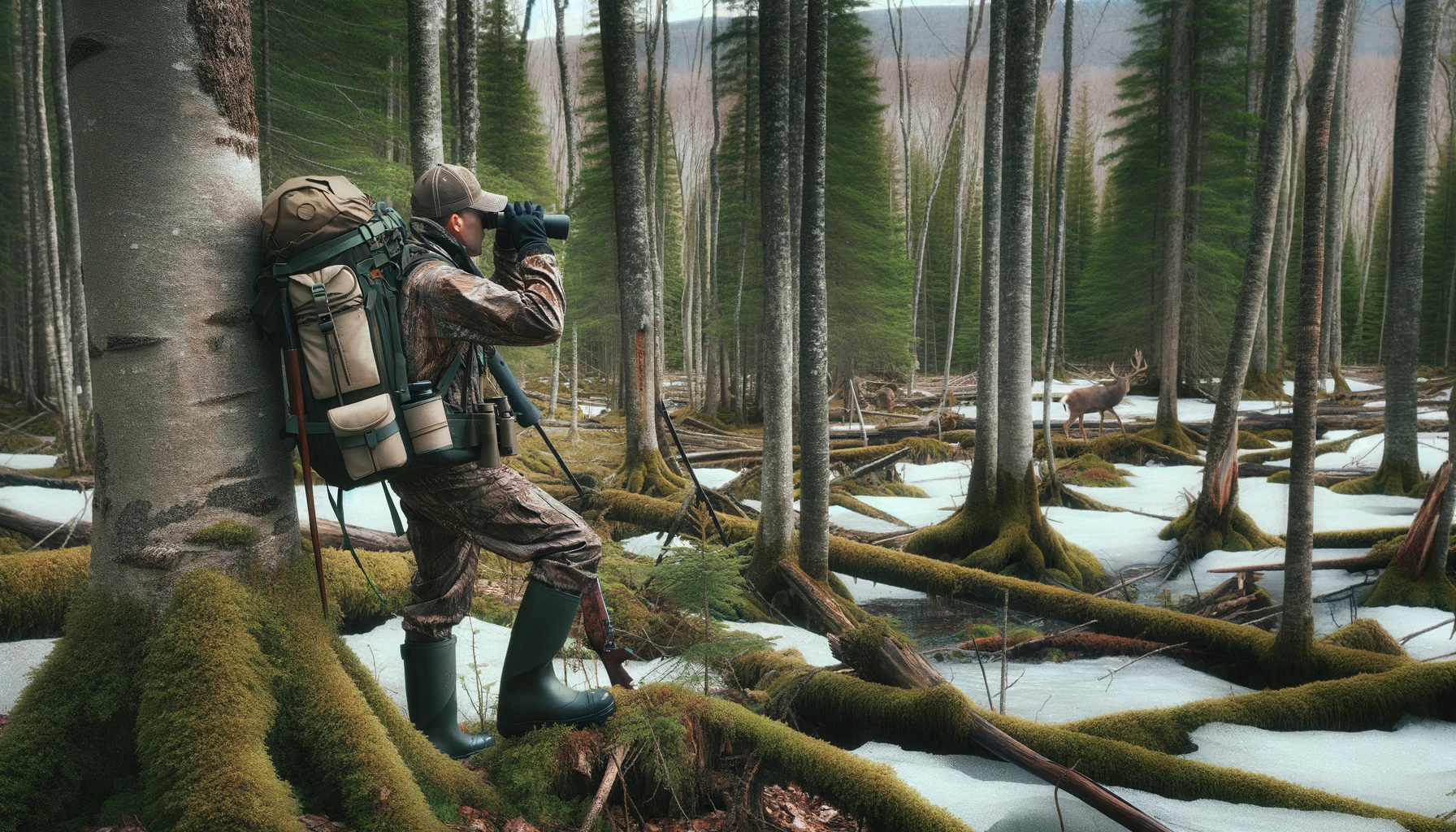
Antlers are not worth forcing deer or elk out of bedding cover, feeding areas, or escape routes. If animals start moving because of your presence, back out. Keep distance with binoculars instead of walking into the middle of them. The point is to search after animals have moved naturally, not to bump them until they drop or leave.
Use routes that avoid bedding areas
When possible, travel on existing roads, trails, open edges, or lower-impact routes. Avoid repeated passes through bedding pockets, south-facing slopes full of resting animals, and narrow escape cover. The more you understand winter range, the easier it is to avoid doing harm while still learning the country.
Private Land Permission
Antlers do not cancel property lines
Private land is still private land after hunting season. Ask before entering, even if you can see a shed from the road. Do not cross fences, open gates, park in driveways, or follow tracks across a boundary without permission. A shed picked up without permission can cost future access for everyone.
Make permission specific
If a landowner says yes, ask where you may park, which fields or woods are allowed, whether dogs are okay, and whether there are livestock, calving areas, wet roads, or other concerns. Leave gates as instructed and report anything useful, such as damaged fence, dead livestock, or trespass sign.
Dogs and Shed Hunting
Control matters more than enthusiasm
A dog can help locate sheds, but an uncontrolled dog can chase wildlife, disturb livestock, cross property lines, or create conflict with other users. Keep dogs leashed where required and under reliable control everywhere else. If your dog cannot ignore live animals, it is not ready for loose shed work.
Check dog rules before the trip
Public lands, wildlife areas, parks, and refuges may have leash rules, seasonal dog restrictions, or closures tied to wildlife protection. A shed dog does not get an automatic exception. Check the rules before you arrive, and be ready to leave the dog home if the area or season calls for it.
Antler Collection Rules
Know what can and cannot be picked up
Shed antlers, skulls, horns, and deadheads may be treated differently under state law. Some states allow shed antlers but restrict skulls with antlers attached. Others require permits, check-in, or proof that the animal was not illegally taken. Do not assume every bone or antler in the field is legal to collect.
Leave questionable finds and report when needed
If you find a carcass, skull, or suspicious situation, mark the location and contact the proper wildlife agency. Moving it first can create confusion. A quick report is better than guessing and creating a legal problem for yourself.
Habitat and Trail Impact
Stay off fragile ground
Early spring ground can be soft, muddy, and easy to damage. Avoid cutting deep tracks with trucks, ATVs, bikes, or repeated foot traffic. Stay on legal roads and trails. If a road is muddy enough that your vehicle will rut it, turn around. A shed is not worth tearing up a road or meadow.
Leave cover intact
Do not cut fences, break brush, pull down signs, or trample restoration areas to reach a shed. If you find antlers in sensitive habitat, take the lowest-impact route or leave them. Ethical shed hunting should look quiet after you are gone.
Public-Land Courtesy
Share space with other users
Shed hunters often share public land with hikers, birders, anglers, ranchers, agency staff, and other antler hunters. Park cleanly, keep noise down, give people room, and avoid crowding another person’s route. If an area is already busy, choose another drainage or come back later.
Pack out trash and useful information
Carry out your trash and any small litter you can safely remove. If you see injured wildlife, illegal activity, damaged gates, or habitat problems, report them through the proper channel. Good shed hunters leave the place easier to manage, not harder.