How to Field Dress a Deer Step by Step: Complete Hunter’s Guide
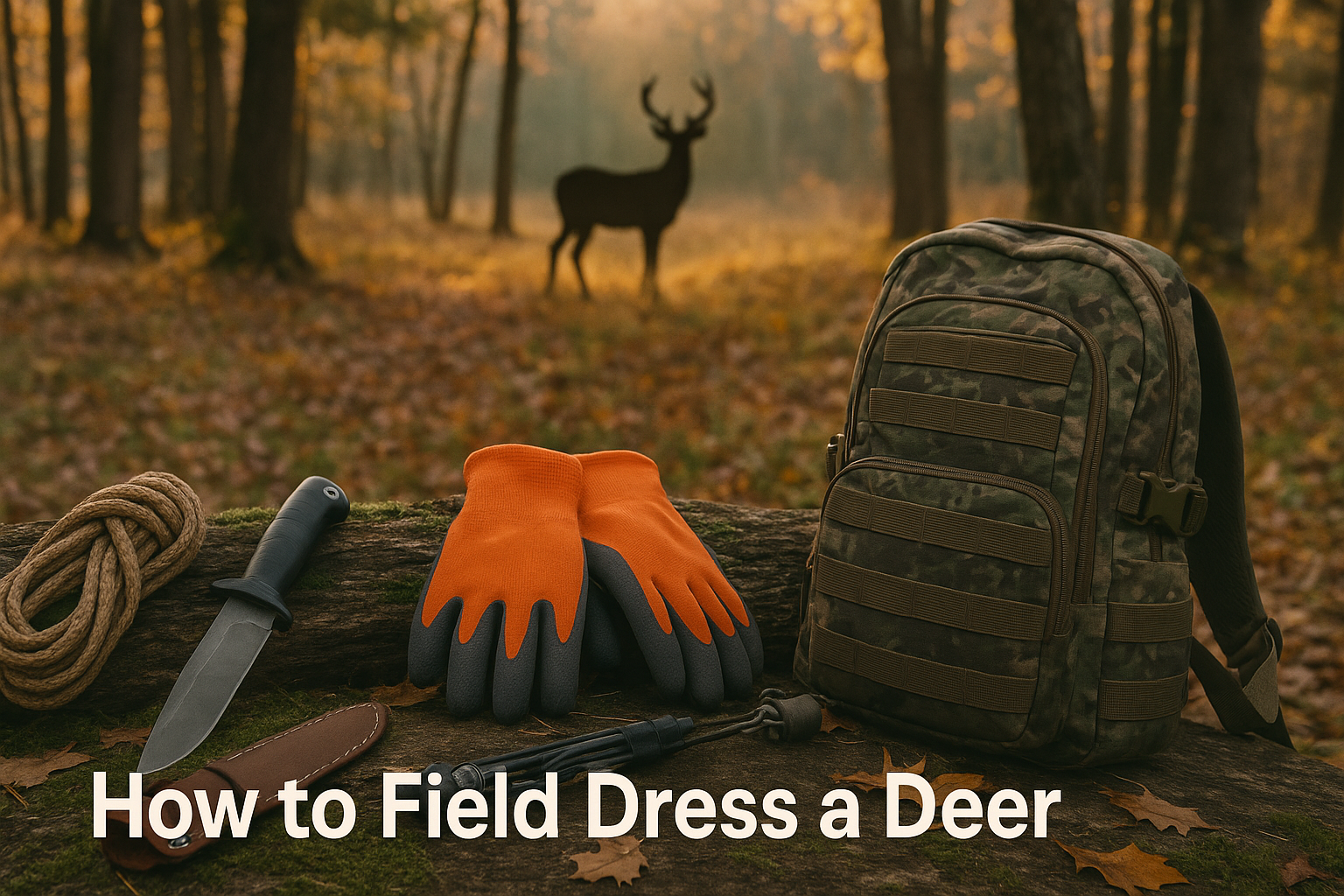
Field dressing a deer means removing the internal organs soon after harvest so the carcass cools quickly and the meat stays safe to eat. The priorities are simple: work cleanly with a sharp knife and protective gloves, avoid contaminating the meat, cool the carcass as fast as you can, and follow your state’s tagging and transport rules. This guide gives a safe, high level overview of the process. It is not a graphic walkthrough, and it focuses on the parts that protect your safety and your meat.
Take a hunter education course or learn hands on from an experienced hunter before doing this on your own. Reading is a starting point, not a substitute for supervised practice. For food safety specifics, defer to the CDC and your state agency, and for tagging and transport, defer to your state wildlife agency.
Table of contents
Why speed and cooling matter
A deer’s body holds a lot of heat after harvest, and warmth combined with the bacteria in the digestive tract is what spoils meat. Removing the organs promptly lets the carcass shed heat, and getting the meat cool is the single most important factor in keeping it safe and good to eat. The longer the carcass stays warm, the higher the risk of spoilage.
This is why hunters field dress in the field rather than waiting until they get home. The goal is to start cooling as soon as it is safe and legal to do so.
Gear and hygiene before you start
Good hygiene protects both you and the meat. Wild game can carry bacteria and parasites, so wear protective gloves and avoid contact with the animal’s blood and fluids on cuts or your face. Bring the gear that keeps the job clean and controlled.
- A sharp fixed blade knife, plus a backup blade or a small sharpener
- Disposable nitrile gloves, and arm length gloves if you have them
- Paper towels or clean rags and zip ties or cord
- Game bags to keep the meat clean and let it breathe
- Clean water or wipes and a small first aid kit
Put gloves on before you begin and keep your hands away from your eyes, nose, and mouth. The CDC publishes guidance on handling wild game safely, and following basic hygiene reduces the risk of illness from contact and from the meat itself.
Tagging and legal steps first
Before you field dress, handle the legal steps your state requires. Many states require you to validate and attach a tag to the animal before moving it or before field dressing, and some require specific evidence of sex or species to remain attached during transport. These rules vary widely.
Confirm the exact requirements with your state wildlife agency for the species, season, and area you are hunting. Hunter education resources such as Hunter-Ed can help you understand general concepts, but the binding rules on tagging, evidence of sex, and transport are the ones your wildlife agency publishes. This article is general information, not legal advice.
Knife safety
Most field dressing injuries come from the knife, not the animal. A sharp knife is safer than a dull one because it cuts predictably and needs less force, which reduces slips. Keep your free hand and your legs out of the blade’s path and always cut away from your body.
Work slowly and deliberately, especially on uneven ground or in cold weather when your hands are stiff. If you use a gut hook or a caping blade, understand how it cuts before you rely on it. Take your time. There is no rush that is worth a deep cut miles from help.
The field dressing process, step by step
The general process is to open the body cavity carefully, separate and remove the internal organs without puncturing the digestive tract or bladder, and keep the edible meat clean throughout. The key principle at every step is to avoid spilling the contents of the stomach, intestines, and bladder onto the meat, because that is the main source of contamination.
Open the cavity carefully
Position the deer so the cavity can drain, often on its back or angled downhill. Make a shallow, controlled opening through the abdominal wall, lifting the skin and muscle away from the organs as you go so the blade does not nick the stomach or intestines underneath. Keeping the cut shallow and lifting as you cut is what protects the digestive tract.
Remove the organs cleanly
Free the organs from their connections and roll or lift the organ mass out of the cavity in one controlled motion, working to keep the digestive tract and bladder intact. Many hunters tie off the lower digestive tract to prevent spillage. If anything ruptures, do not panic; rinse the affected meat with clean water as soon as you can and trim away contaminated portions later.
Clean and prepare for cooling
Once the cavity is empty, drain excess blood and wipe the cavity with paper towels or rinse with clean water if available. Prop the cavity open so air can circulate. Keep dirt, hair, and debris out of the cavity, and get the carcass into game bags or ready for transport as soon as the legal steps are complete.
Cooling, handling, and transport
After dressing, cooling becomes the priority. Get the carcass out of the sun and allow air to move through the open cavity. In warm weather, the urgency is higher, and you may need to skin the animal and pack the meat with ice to bring the temperature down quickly. The aim is to reduce the meat temperature steadily and keep it cold until processing.
- Keep the meat shaded, ventilated, and off hot ground or hot vehicle surfaces.
- In warm conditions, plan to skin and ice the meat sooner rather than later.
- Use breathable game bags to keep insects and debris off the meat.
- During transport, keep the meat as cold as you can, with ice or cold packs in warm weather.
- Deliver to a processor or your home refrigeration promptly.
Food safety and when to discard meat
Treat game meat with the same care as any raw meat, and a little more caution because of how it is harvested. Keep it cold, keep it clean, and cook venison thoroughly to a safe internal temperature before eating. Refer to the CDC and to FoodSafety.gov for safe handling and cooking temperatures.
Discard meat that is the wrong choice to keep. Trim away and discard meat heavily soaked with digestive contents that cannot be cleaned, badly bloodshot tissue around the wound, and any meat that develops an off smell, a slimy surface, or a sour odor before processing. When you are unsure whether meat is safe, the safe answer is to discard it. Some areas also test for or restrict consumption due to wildlife disease, so check your state wildlife agency’s current guidance for the area you hunt.
Field dressing checklist
- Complete required tagging before moving or dressing the animal.
- Put on nitrile gloves and protect cuts and your face.
- Use a sharp knife and cut away from your body.
- Open the cavity shallow, lifting skin and muscle away from the organs.
- Remove organs without puncturing the digestive tract or bladder.
- Rinse and trim any contaminated meat as soon as possible.
- Prop the cavity open and start cooling immediately.
- Use game bags and keep the meat shaded and ventilated.
- Ice the meat in warm weather and keep it cold during transport.
- Cook venison to a safe internal temperature and discard questionable meat.
Frequently asked questions
How soon should you field dress a deer?
Field dress as soon as you have completed any required tagging and it is safe to do so. Prompt dressing lets the carcass start cooling, and faster cooling is the main factor in keeping the meat safe, especially in warm weather.
Do I need gloves to field dress a deer?
Gloves are strongly recommended. Wild game can carry bacteria and parasites, and disposable nitrile gloves reduce your contact with blood and fluids. Keep your hands away from your face and wash up afterward.
What if I cut the stomach or intestines?
Stay calm and limit the spread of contents. Rinse the affected meat with clean water as soon as you can and trim away contaminated portions during processing. Meat that cannot be cleaned should be discarded.
Do I have to tag the deer before field dressing?
In many states, yes, but the rules vary. Some states require validating and attaching a tag before moving or dressing the animal. Confirm the exact requirement with your state wildlife agency before you hunt.
Final takeaway
Field dressing a deer comes down to a few priorities done well: handle the legal tagging first, protect yourself with gloves and a sharp, carefully used knife, remove the organs without contaminating the meat, and start cooling immediately. Keep the meat clean and cold all the way to processing, cook venison thoroughly, and discard anything you are not confident is safe. Learn the hands on technique from an experienced hunter or a hunter education course, and let the CDC and your state wildlife agency guide you on food safety and the legal steps.