Traditional and Modern Hunting Gear: How to Build a Balanced Kit
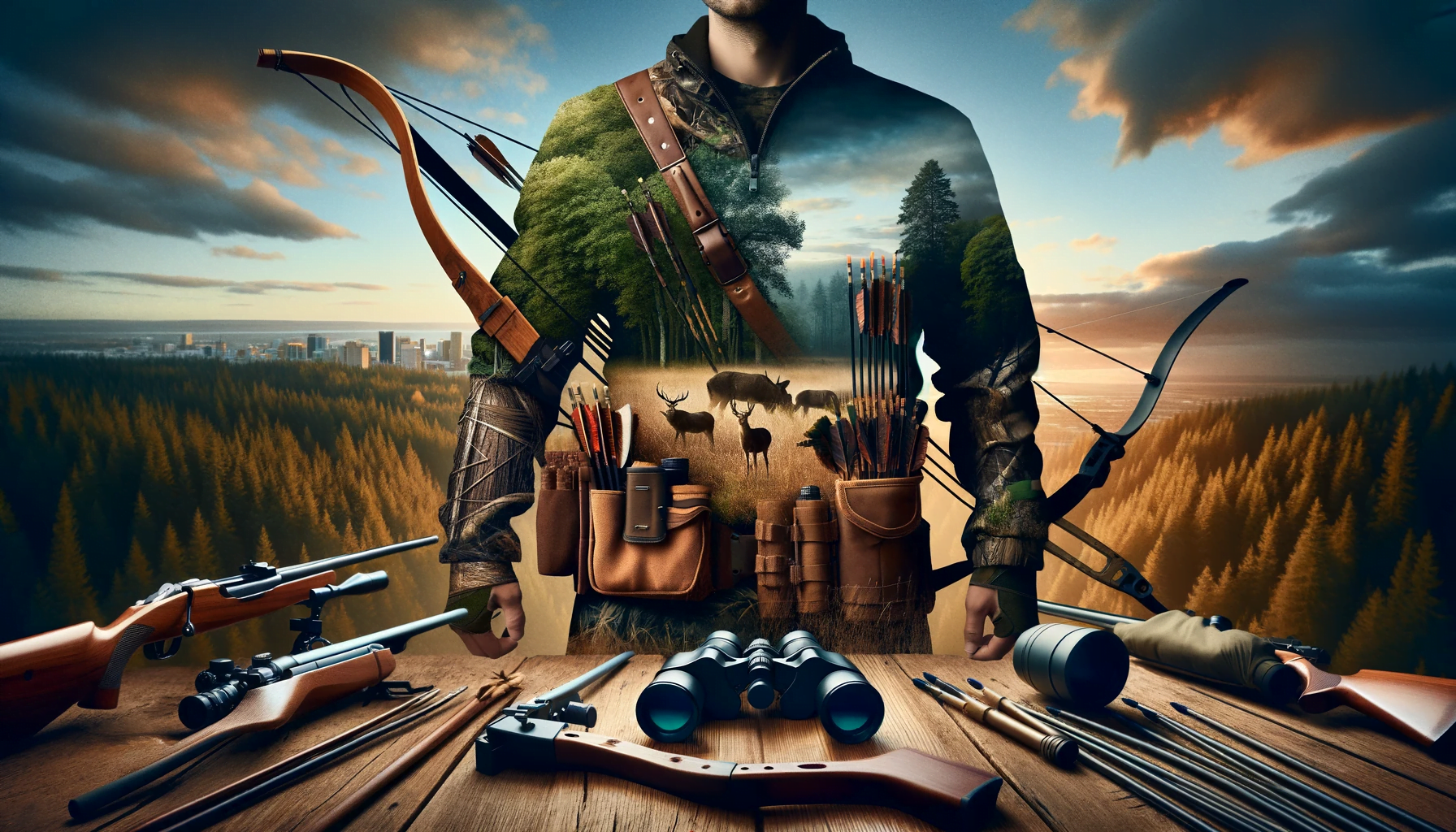
The best hunting setup is not purely traditional or purely modern. It is the gear system that helps you hunt safely, legally, ethically, and effectively in the place you actually hunt. Traditional skills still matter: woodsmanship, wind reading, quiet movement, tracking, patience, and respect for the animal. Modern gear can support those skills with better weather protection, safer navigation, clearer optics, and more reliable communication.
A balanced gear strategy starts with the hunt, not the shopping list. Choose tools that solve real field problems without replacing judgment. A GPS does not replace map awareness. A rangefinder does not replace shot discipline. Advanced camouflage does not replace wind control. Good gear helps, but the hunter still makes the ethical decision.
Table of contents
Quick Answer
Traditional hunting gear and modern hunting gear work best together when each tool has a purpose. Keep the traditional foundation: scouting, concealment, tracking, quiet movement, and ethical restraint. Add modern tools where they improve safety, clarity, or consistency, such as reliable boots, weather layers, optics, GPS mapping, a headlamp, emergency communication, and a rangefinder.
The wrong approach is buying technology to cover weak fieldcraft. The right approach is using technology to support better decisions. That is the difference between a useful hybrid setup and an overloaded pack.
Why Blend Traditional And Modern Hunting Gear?
Traditional hunting knowledge developed because hunters had to read terrain, animal sign, weather, wind, and behavior. Those skills are still the core of successful hunting. Modern gear helps when it reduces avoidable risk or improves execution, but it should not remove the hunter from the natural challenge of the hunt.
A blended system gives you flexibility. A simple compass can back up a phone map. Wool or quiet fleece can pair with modern waterproof layers. Traditional calling and patient observation can pair with better binoculars. The result is not more gear for its own sake; it is better preparation.
Traditional Skills That Still Matter
Woodsmanship
Woodsmanship is the ability to move through country without fighting it. It includes noticing trails, rubs, tracks, droppings, bedding cover, feeding areas, thermals, and natural funnels. No app can fully replace the habit of slowing down and reading what the ground is telling you.
Wind And Scent Awareness
Modern scent-control products can help, but wind still wins. Traditional hunters learned to plan routes, stand sites, and stalks around wind direction. A wind checker is useful, but the skill is understanding what the wind does across ridges, bottoms, water, and changing temperatures.
Tracking And Sign Reading
Tracking is not only following footprints. It is learning how animals use terrain. A fresh track, a rubbed tree, a broken branch, or a worn trail can explain movement better than a random stand location. For a deeper support piece, see our guide to tracking animals and reading signs.
Modern Tools That Actually Help
The best modern tools solve safety, visibility, weather, navigation, or shot-confirmation problems. A good headlamp prevents unsafe walks in the dark. Quality rain gear helps you stay focused instead of rushing. Binoculars let you identify animals without unnecessary movement. A GPS or offline map helps you stay oriented, especially on public land.
Modern tools become a problem when they encourage shortcuts. If a gadget makes you ignore legal boundaries, unsafe shots, poor backstops, or weather risk, it is hurting the hunt rather than helping it.
Ethics, Fair Chase, And Restraint
Gear choices should support ethical hunting. Fair chase is the idea that wild game should have a reasonable chance to avoid the hunter, and that the hunter should obey the law while also using personal restraint. The fair chase tradition is a useful reminder that legal does not always mean wise or respectful.
Modern equipment can extend what hunters are capable of, but ethical range and legal range are not always the same. If the shot angle, distance, wind, animal movement, or your own skill makes the outcome uncertain, passing is the better decision. Respect for the animal matters more than proving a gadget works.
Navigation And Communication
Navigation is where blending old and new is especially smart. Carry a phone or GPS mapping tool, but also know how to use a paper map, compass, and landmarks. Batteries fail, screens break, and cold weather can drain devices faster than expected. A compass weighs little and can become important quickly.
Before hunting remote ground, leave a trip plan with someone reliable. Include the property or public-land unit, access point, expected route, vehicle description, and return time. The National Park Service Leave No Trace principles also reinforce planning ahead, respecting wildlife, and reducing impact in wild places.
Clothing, Footwear, And Weather Protection
Traditional fabrics like wool remain valuable because they are quiet, warm, and useful in damp conditions. Modern synthetic layers can dry fast, block wind, and reduce weight. The best system often uses both: a moisture-managing base layer, quiet insulating layer, durable outer layer, and footwear matched to terrain.
Boots and layers should match the hunt, not the catalog photo. A short early-season sit, a cold-weather all-day stand, and a long mountain walk need different clothing decisions. For cold conditions, connect this with our guide to cold-weather hunting boots.
Optics, Rangefinders, And Shot Discipline
Optics are one of the most useful modern upgrades because they let you observe without walking into cover too early. Binoculars help confirm movement, antler detail, body size, and safe surroundings. A rangefinder helps remove distance guesswork, especially with archery equipment or uneven terrain.
Still, optics do not replace judgment. A clear view does not guarantee a good shot. Check angle, animal position, wind, legal light, background, and your own ability before deciding. If any part of the shot feels uncertain, wait.
A Practical Hybrid Hunting Kit
- Map, compass, and offline GPS or phone mapping app.
- Headlamp, spare power, and a small backup light.
- Quiet clothing layers matched to weather and movement level.
- Boots matched to terrain, insulation needs, and walking distance.
- Binoculars and, when needed, a rangefinder.
- Knife, field-care items, gloves, and game bags where appropriate.
- Whistle, fire-starting method, first-aid basics, and emergency communication plan.
- Traditional field skills: wind reading, tracking, patience, and restraint.
Common Gear-Blending Mistakes
Carrying Too Much Gear
A heavy pack can make you noisy, tired, and less willing to adjust. Carry what solves real problems for that hunt, then leave the rest at home.
Trusting Technology Too Much
Electronics are useful, but they can fail. Know the terrain, carry backup navigation, and do not depend on one device for safety.
Ignoring Local Laws
Some modern tools may be restricted by state, season, species, or method of take. Always check current regulations before using electronic calls, lights, drones, baiting tools, or specialized optics.
Buying Before Practicing
New gear is only useful if you know how to use it under field pressure. Test boots, layers, packs, optics, calls, and navigation tools before opening day.
FAQ
Is traditional hunting gear better than modern gear?
Not always. Traditional gear can be quiet, simple, and skill-building. Modern gear can improve safety, comfort, and clarity. The better choice depends on the hunt, the law, the terrain, and your ability.
Is modern hunting technology ethical?
It can be, but only when used with restraint and within the law. Technology should help you make cleaner, safer, better-informed decisions, not push you into shots or tactics beyond your skill.
What should a beginner prioritize first?
Start with safety, legal knowledge, navigation, weather protection, footwear, and practice. Expensive specialty gear can wait until you understand the hunts you actually do.
How do I know if I am carrying too much?
If gear makes you move poorly, arrive late, sweat too much, or avoid changing positions, the kit is too heavy or poorly matched. Review what you used after each hunt and trim from there.
Final Takeaway
The best hunting gear system blends old and new without letting either one take over. Keep the traditional skills that make you a better hunter, then add modern tools that improve safety, comfort, observation, and ethical decision-making. The goal is not to own every piece of gear. The goal is to hunt prepared, legally, respectfully, and with enough judgment to know when not to take the shot.