Elk Hunting Strategies: Spot-and-Stalk vs Calling

Spot-and-stalk and calling are both effective elk hunting strategies, but they solve different problems. Spot-and-stalk works best when you can glass, read wind, and move quietly into range. Calling works best when elk are vocal, responsive, and the hunter understands how much calling is enough. The better strategy depends on season timing, hunting pressure, terrain, wind, elk behavior, and your ability to make a safe, ethical shot.
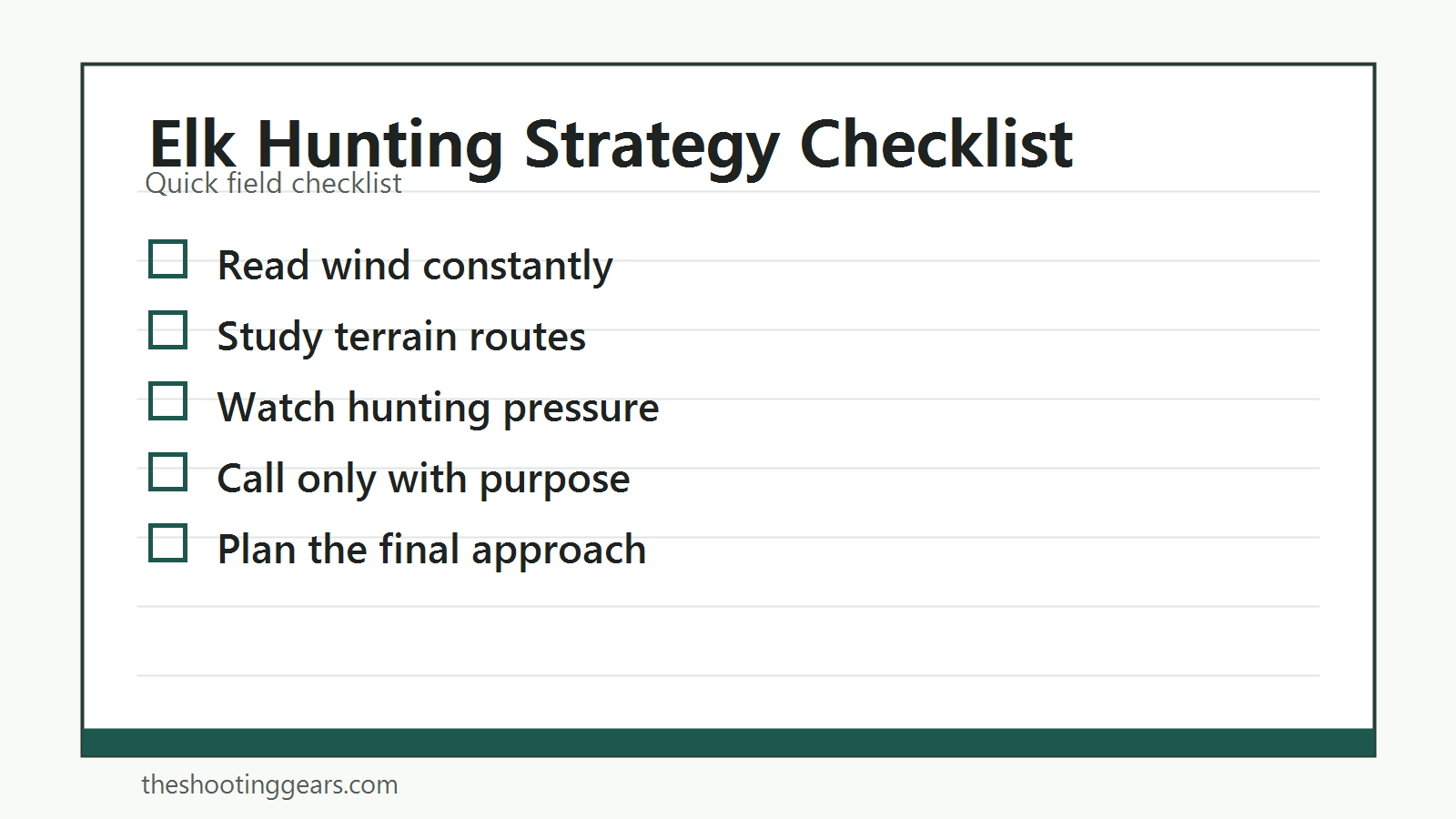
Table of contents
Table of Contents
Quick Answer
Choose spot-and-stalk when elk are visible, the wind is readable, and you can close distance without forcing a response. Choose calling when elk are vocal or when terrain makes it hard to see them before they are close. Many successful hunters use both: glass first, move carefully, then call only when calling solves a specific problem.
Best for Beginners
Beginners often learn more from spot-and-stalk because it teaches glassing, wind, terrain, and patience. Calling can work, but overcalling is a common mistake.
Best During the Rut
Calling becomes more useful during the rut when bulls are vocal and social behavior creates openings. Even then, calling should match what the elk are doing, not what the hunter wants them to do.
Spot-and-Stalk Basics
Spot-and-stalk hunting starts with observation. You find elk from a distance, study their movement, and plan a route that keeps the wind and terrain in your favor. It rewards patience and punishes shortcuts.
Why It Works
Elk are large animals, but they can disappear quickly in timber, folds, and shadows. Glassing from a distance lets you understand where they feed, bed, and travel before you enter their space.
Where It Fails
Spot-and-stalk fails when hunters rush, treat wind as an afterthought, skyline themselves, or move without a plan. Once elk smell or see you, the opportunity usually ends.
Calling Basics
Calling uses bugles, cow calls, or contact calls to communicate with elk. It can locate animals, stop an elk briefly, or bring a responsive bull into range. It can also educate elk when used carelessly.
Bugles
Bugles can help locate bulls and challenge responsive animals during the rut. They are less useful when bulls are quiet, pressured, or moving away from hunter noise.
Cow Calls
Cow calls can be useful for soft contact, calming an elk, or stopping an animal for a moment. Too much cow calling can sound unnatural, especially in heavily hunted areas.
Wind and Thermals
Wind is the heart of elk hunting. Elk trust their nose. Morning thermals often rise as air warms, and evening thermals often fall as temperatures drop, but terrain can create swirls and surprises. For general wind awareness, the National Weather Service wind safety resources are a useful reminder that conditions can change quickly outdoors.
Spot-and-Stalk Wind Rule
Do not start a stalk unless you have a wind plan. A longer route with steady wind is usually better than a short route that blows scent into the elk.
Calling Wind Rule
When calling, assume elk may circle downwind. Set up where you can see or cover the downwind side if legal and safe.
Season Timing
Season timing affects which strategy shines. Early, pre-rut, peak rut, post-rut, and late-season elk can behave very differently. Always confirm season dates, legal method, and unit rules with your state wildlife agency before planning gear or strategy.
Early Season
Spot-and-stalk can be strong early when elk patterns are more feed-and-bed oriented. Soft calling may help, but aggressive calling can be out of place if elk are not behaving that way.
Rut and Post-Rut
During the rut, calling can create opportunities. After heavy pressure or after the rut, elk may become quieter and more security-focused, making glassing, travel corridors, and bedding cover more important.
Hunting Pressure
Pressure changes elk behavior. In pressured units, elk may move before daylight, avoid open areas, respond poorly to calling, or shift into thicker cover. A strategy that works on quiet private land may fail on busy public land.
Pressure and Calling
If many hunters are calling, less can be more. Use calling to locate or finish a setup, not to broadcast constantly from every ridge.
Pressure and Stalking
In pressured areas, quiet movement and patience can beat noise. Watch escape routes, shade, water, and cover edges instead of only obvious feeding openings.
Terrain and Visibility
Open country favors glassing and planned stalks. Thick timber can favor calling or still-hunting because you may hear elk before you see them. Broken terrain may require both approaches.
Open Country
Use optics, shade lines, benches, basins, and feeding areas. Move only when terrain hides you or when elk are bedded and the wind allows a safe approach.
Timber and Cover
In timber, slow down. Listen more. Calling may help locate elk, but setup matters. If you call from a poor position, you may bring elk close without ever seeing them clearly.
When To Combine Both
The best strategy is often hybrid. Glass first to find elk or fresh sign. Move with wind and terrain. Call only when you need to locate, stop, or influence elk at the right moment.
A Simple Hybrid Plan
- Glass or listen from a distance.
- Confirm wind and thermals before moving.
- Use terrain to close distance quietly.
- Call only if elk behavior suggests it may help.
- Set up with shooting lanes and a safe backstop in mind.
Rules and Safety
Elk strategy still starts with legal access and safe handling. Confirm your tag, unit, season dates, weapon rules, and harvest reporting with the current state wildlife agency source before the hunt. General hunter education resources such as Hunter-Ed and the International Hunter Education Association can help reinforce safety and ethics, but they do not replace current state regulations.
Before You Move In
Before starting a stalk or calling setup, confirm shooting lanes, backdrop, wind, and where other hunters may be. Calling can pull elk, but it can also pull attention from nearby hunters. Wear required visibility clothing, know the property boundaries, and avoid taking marginal shots when excitement is high.
Strategy Checklist
- Check current elk season, unit, tag, and method rules with the state wildlife agency.
- Start with wind, not with calling.
- Glass before entering likely bedding or feeding areas.
- Call less in pressured areas unless elk are clearly responsive.
- Use terrain to hide movement and avoid skylining.
- Pass shots that are rushed, unsafe, or beyond your practiced limit.
FAQ
Is spot-and-stalk better than calling for elk?
Neither is always better. Spot-and-stalk is stronger when elk are visible and wind allows a planned approach. Calling is stronger when elk are vocal or hidden in cover and responsive.
Do elk calls work on pressured public land?
They can, but pressured elk may ignore or avoid unnatural calling. Use calls sparingly and focus on setup, wind, and realistic elk behavior.
What is the biggest mistake in elk stalking?
The biggest mistake is treating wind as secondary. A perfect route can fail instantly if your scent reaches the elk before you do.
Should beginners call elk?
Beginners can learn basic calls, but they should not rely on calling alone. Glassing, wind, movement, and safe shot judgment matter more.
Final Takeaway
Spot-and-stalk and calling both work when they match the elk, terrain, wind, and season. Start by reading the country and the wind, then choose the strategy that creates a safe, ethical opportunity instead of forcing a response.