Canoe Poling: 10 Safety Checks for Shallow River Travel
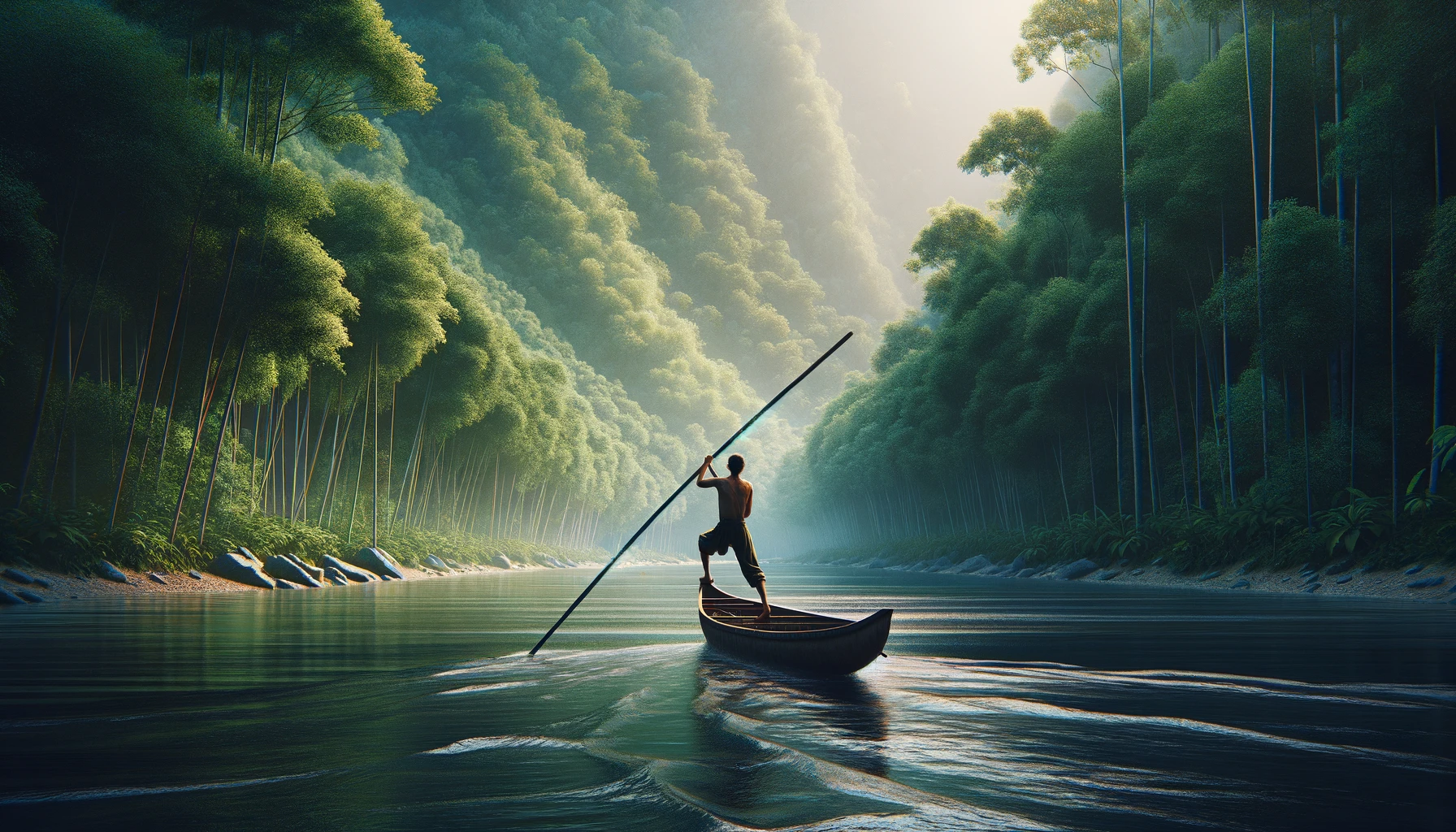
Canoe poling is a traditional way to move a canoe in shallow water by standing and pushing against the riverbed with a long pole. It can be useful on slow, shallow rivers, but beginners should treat it as a balance and water-safety skill first, not as a shortcut for difficult current.
This guide explains basic canoe-poling safety checks, gear, practice steps, river-reading limits, and when to stop. It is not a whitewater instruction course and not a replacement for hands-on paddling instruction.
Table of contents
Canoe Poling: Quick Answer
Canoe poling is best learned on calm, shallow water with a firm bottom, a stable canoe, a fitted life jacket, a partner nearby, and an easy exit. Start kneeling or low, stand only when the canoe is steady, and avoid fast current, strainers, cold water, flood conditions, and unknown river channels.
Wear the life jacket
A life jacket should be worn, not stored in the canoe. Poling raises your center of gravity, so a fall is more likely than during seated paddling. The U.S. Coast Guard boating safety program explains why wearing a life jacket matters on small craft.
Practice near shore
Use a quiet section close to shore before trying moving water. You need room to fall, recover, and exit without being swept into hazards.
Keep the paddle available
A pole is not your only control tool. Keep a paddle secured and reachable so you can sit down and paddle if the water gets too deep or the pole gets stuck.
Where Canoe Poling Works
Poling works in specific water, not everywhere. The safest learning water is shallow, slow, and predictable.
Use firm shallow bottoms
Gravel, sand, and firm riverbeds give the pole something to push against. Deep mud, loose rock, and boulder gardens can trap or slip the pole.
Avoid high water
High water can hide hazards, increase current speed, and make shore exits harder. If the river looks pushy from shore, it is not beginner poling water.
Respect local rules
Some rivers have access rules, protected habitat zones, seasonal closures, or private-property limits. Check the managing agency before launching.
Safety Gear
Poling does not remove normal canoe-safety requirements. It adds standing, balance, and pole-control risks.
Life jacket and whistle
Wear a properly fitted life jacket and carry a whistle. The National Weather Service cold-water guidance explains why flotation can buy critical time after an unexpected swim.
Footwear with grip
Use footwear that protects your feet and grips a wet canoe floor. Bare feet, loose sandals, and slick soles make recovery harder.
Communication and float plan
Tell someone where you are launching, where you plan to take out, and when you expect to return. Carry a protected phone or other communication tool suitable for the area.
Canoe and Pole Setup
A stable setup makes learning easier. Do not start with a narrow, heavily loaded, or unfamiliar canoe.
Choose a stable canoe
A canoe with good primary stability is easier for beginners. Keep the load low and centered so the canoe does not feel twitchy when you stand.
Use the right pole length
A canoe pole is commonly long enough to reach the bottom while you stand upright. Too short forces you to lean; too long can be awkward in tight cover.
Check pole ends
Metal or capped pole ends can improve grip on gravel but may damage sensitive riverbeds if used carelessly. Inspect the ends before launching.
Stance and Balance
Balance matters more than force. A beginner who pushes too hard usually loses control faster.
Stand low and centered
Keep your knees bent, feet apart, and weight centered over the canoe. Avoid locking your knees or standing near one gunwale.
Move slowly
Every foot movement changes trim. Shift weight gradually and keep the pole in contact with the bottom when you need extra stability.
Sit down early
If the canoe starts to wobble, sit or kneel before the situation grows. There is no penalty for switching back to a paddle.
Basic Poling Strokes
Learn simple moves first. Speed can come later after balance and stopping are reliable.
Forward push
Place the pole near the canoe, plant it on the bottom, and push smoothly. Keep the push controlled so the pole does not slip behind you.
Back ferry and slowing
Practice slowing the canoe and holding position before trying upstream moves. Control matters more than distance covered.
Turning strokes
Small pries and draws can turn the canoe. Make the movement gentle at first because a hard pry can roll the canoe toward the pole.
Reading Shallow Water
Poling depends on reading the water under and ahead of the canoe. Beginners should stay out of technical current.
Watch for strainers
Fallen trees, branches, bridge debris, and root wads can trap a paddler or canoe. Stay well away from strainers.
Look for depth changes
Ripple patterns, color changes, exposed rocks, and current seams can show changes in depth and speed. If you cannot read the route, stop and scout from shore.
Do not fight current
If the current is stronger than your control, move to shore, sit down, or portage. Poling upstream through force alone is a bad beginner goal.
Beginner Practice Plan
A short, controlled practice session is better than a long trip where fatigue makes decisions worse.
Start unloaded
Practice with minimal gear, close to shore, and in warm conditions. Add trip weight only after balance and stopping feel natural.
Practice exits
Know where you can step out, swim to shore, or land the canoe. Do not practice above rapids, strainers, dams, or cold-water hazards.
Use a partner
Practice with another paddler nearby. Solo learning on moving water leaves little margin if you fall, lose the pole, or pin the canoe.
Cold Water and Weather
Warm air does not mean safe water. Cold water can quickly affect breathing, strength, and clear thinking.
Dress for water temperature
NOAA/NWS cold-water safety guidance recommends dressing for water temperature, not only air temperature. If the water is cold, use proper cold-water protection or stay off the river.
Check weather and levels
Wind, rain, storms, and rising rivers can turn easy poling water into unsafe water. Check the forecast and river level before leaving home.
Stop before fatigue
Standing and pushing use legs, core, shoulders, and grip. Fatigue makes balance and judgment worse, so end practice early.
River Impact and Etiquette
Canoe poling should not damage shallow-water habitat or create conflict with other river users.
Use durable bottoms
Avoid pushing through sensitive vegetation, spawning areas, and fragile banks. Leave No Trace principles apply on water as well as land.
Give others room
Anglers, paddlers, swimmers, and wildlife all need space. Move quietly, avoid crowding, and follow local right-of-way rules.
Pack out trash
Secure bottles, wrappers, fishing line, and loose items before launching. A capsize should not turn your canoe into river litter.
Common Mistakes
Most canoe-poling mistakes come from standing too soon, choosing the wrong water, or pushing harder than the canoe can handle.
Starting in current
Moving water multiplies every balance mistake. Learn the stance, stopping, and turning moves in quiet water first.
Planting the pole too far away
A pole planted far from the canoe can pull your weight outside the hull. Keep early plants close and controlled.
Letting the pole get trapped
If the pole sticks between rocks, let it go rather than letting it pull you over. A lost pole is better than a dangerous swim.
Related Guides
For navigation basics, read how to read a compass. For emergency signaling, see ways to signal for help in the wilderness. For outdoor first aid, review how to treat blisters.
FAQ
Is canoe poling hard to learn?
It can feel awkward at first because you are standing in a moving canoe. Start in calm, shallow water and focus on balance before power.
What length should a canoe pole be?
The right length depends on water depth, canoe height, and paddler height. It should let you reach the bottom without leaning far outside the canoe.
Can I pole any canoe?
Some canoes are easier than others. A stable canoe with a low, centered load is better for learning than a narrow or heavily loaded canoe.
Should beginners pole upstream?
Beginners should first learn standing, stopping, turning, and getting back to shore. Upstream poling belongs later and only in manageable current.
What is the biggest safety risk?
The biggest risk is falling into moving or cold water near hazards. Wear a life jacket, avoid strainers, check conditions, and practice with a partner.