Essential Primitive Survival Skills: Shelter, Fire, Water, Navigation, and Signaling
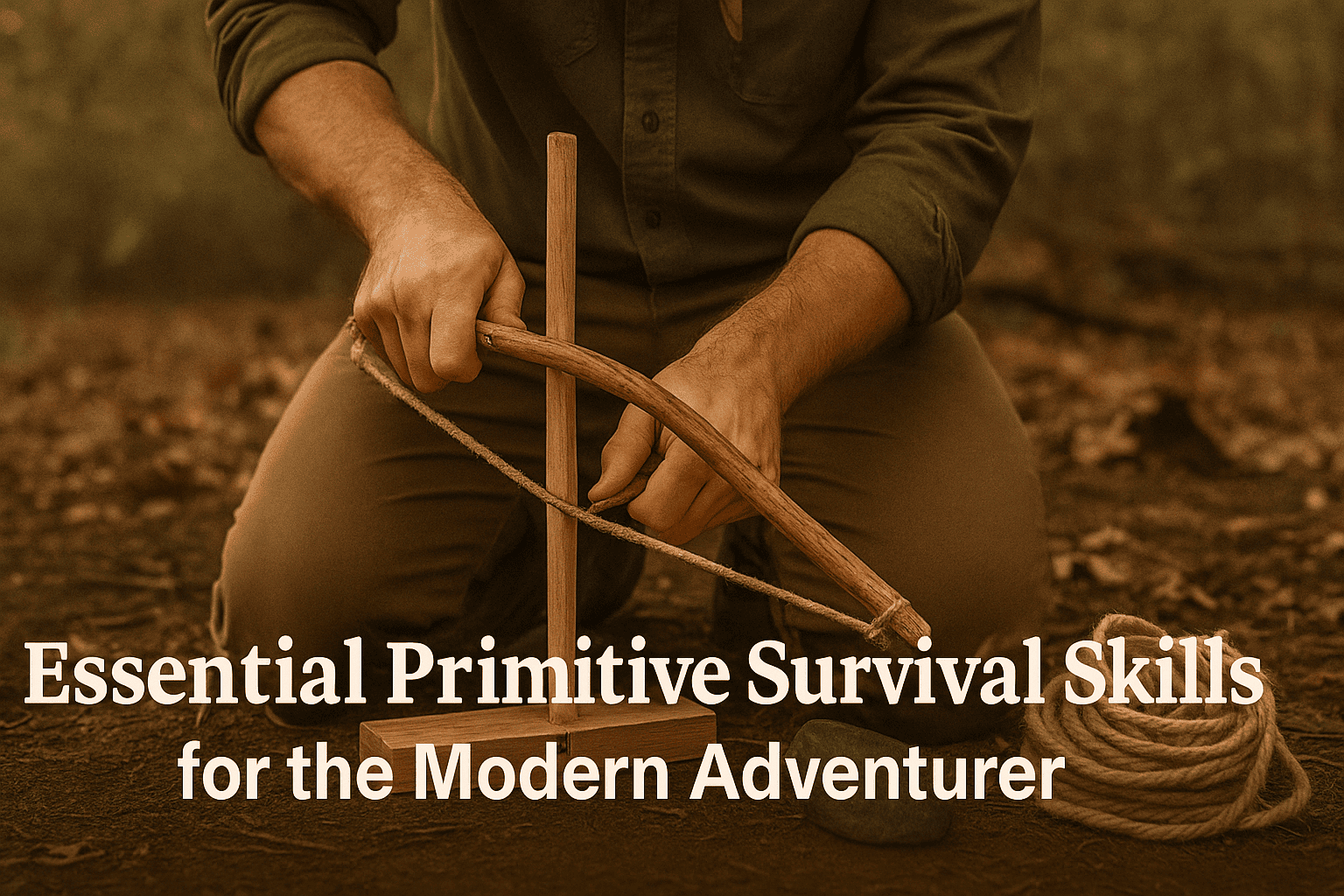
Primitive survival skills are the basic outdoor abilities that help you stay alive when modern gear fails or conditions change. The most important skills are shelter, fire, water, navigation, signaling, first aid, safe food judgment, tool use, and calm decision-making. These skills are useful for hunters, hikers, campers, and anyone who spends time away from easy help.
The key is not to romanticize survival. Real survival is cold, tiring, and unforgiving. Practice skills before you need them, carry modern safety gear when you can, follow local fire and wildlife rules, and make conservative decisions. Primitive skills should support safety, not replace planning.
Table of contents
Quick Answer
The essential primitive survival skills are building a simple shelter, starting and managing a fire safely, finding and treating water, staying oriented, signaling for help, handling minor first aid, making simple cordage or repairs, and avoiding risky food decisions. In most emergencies, shelter, water, warmth, and signaling matter more than trying to live off the land.
For hunters, survival skills are part of trip planning. A short evening hunt can become an overnight problem if weather changes, a trail is lost, or recovery takes longer than expected. Our beginner hunting trip planning guide covers the planning side that should come before field skills.
Survival Priorities
Survival priorities depend on conditions, but exposure usually becomes urgent quickly. Cold, wet, heat, injury, dehydration, and poor decisions create more danger than hunger in the early stages of most outdoor emergencies.
Stop and Think
When something goes wrong, stop moving unless staying put is more dangerous. Check injuries, weather, daylight, water, clothing, navigation, and communication. Panic wastes energy and leads to bad route choices. A calm plan is a survival tool.
Use the Rule of Priorities Carefully
Common survival rules about minutes, hours, and days are reminders, not exact science. Conditions matter. In cold rain, shelter and warmth can become urgent fast. In desert heat, shade and water may dominate. Match your action to the real risk in front of you.
Shelter Skills
Shelter protects you from wind, rain, snow, sun, and ground heat loss. It does not have to look impressive. A good emergency shelter is quick, safe, dry enough, and sized to conserve body heat.
Natural Shelter
Look for terrain and vegetation that reduce wind and precipitation without creating new hazards. Avoid dead trees, flood channels, avalanche terrain, unstable slopes, and animal dens. A natural windbreak plus an emergency blanket may be better than a complicated debris shelter.
Debris and Lean-To Shelters
A debris shelter uses branches, leaves, grass, or evergreen boughs for insulation. A lean-to can block wind or shed light rain. Both take time and energy, so build only what conditions require. Keep ventilation and fire safety in mind if using fire nearby.
Fire Skills
Fire can provide warmth, light, water treatment, cooking heat, and signaling. It can also start a wildfire. Before practicing primitive fire skills, check local rules and conditions. In many places, fire restrictions make open flames illegal or unsafe.
Fire Materials
Learn tinder, kindling, and fuel. Tinder catches first. Kindling builds flame. Fuel sustains heat. Dry inner wood, bark, grass, and prepared fire starters are more reliable than wet ground litter. Build small and feed gradually.
Fire Safety
Use an existing fire ring when possible, clear flammable debris, keep water or soil nearby, and fully extinguish the fire before leaving. The U.S. Forest Service campfire safety guidance is a strong reference for safe campfire habits. Our hunting fire-starting guide covers the hunting-specific version.
Water Finding and Purification
Water is critical, but unsafe water can make a bad situation worse. Clear water is not automatically safe. Streams, lakes, snowmelt, rain catchment, seepage, and dew can all be potential sources, but treatment is still important.
Finding Water
Follow terrain downhill, look for green vegetation, animal tracks, drainages, snow, and natural collection points. In cold conditions, melting snow requires fuel and time. In hot conditions, moving during cooler hours may reduce water loss.
Treating Water
Boiling is a common emergency method when fuel and container are available. Filters, chemical treatment, and UV devices can work when carried and used correctly. The CDC provides practical guidance on making water safe in emergencies.
Navigation and Signaling
Navigation starts before you get lost. Carry a map, compass, charged phone, offline map, and power bank when possible. Know the area, trailheads, roads, waterways, and boundaries before leaving the vehicle.
Stay Oriented
Mark your starting point and check direction often. Notice ridges, streams, roads, sun position, and major landmarks. If you are unsure, stop and reassess instead of wandering deeper.
Signal for Help
Whistles, mirrors, bright clothing, lights, smoke where legal and safe, and ground signals can help rescuers. Three repeated signals are commonly understood as distress. A phone or satellite communicator is not primitive, but it is often the smartest tool.
Food and Foraging Caution
Food is usually less urgent than exposure and water in short emergencies. Foraging mistakes can be dangerous. Many plants and mushrooms are hard to identify, and some toxic species resemble edible ones.
Do Not Guess
Do not eat plants, mushrooms, berries, or animals unless you have reliable identification and legal permission. Energy spent chasing uncertain food can be wasted. Carry emergency calories in your pack instead.
Cooking and Hygiene
If you are cooking game or emergency food, keep hands, tools, and surfaces as clean as conditions allow. Cook thoroughly and protect food from contamination. Hunting ethics also include meat care; see our ethical hunting practices guide.
Primitive Tools and Repairs
Primitive tool skills can help with shelter, fire, cordage, containers, and repairs. A knife, cordage, tape, and a small repair kit are still worth carrying. Primitive skills are stronger when supported by a few reliable modern basics.
Cutting Tools
A knife can help make tinder, stakes, notches, repairs, and food prep. Use controlled cuts away from the body. A hand injury in the field can become a serious survival problem.
Cordage and Simple Repairs
Natural fibers can be twisted into cordage, but it takes practice. In real trips, carry cordage too. Paracord, bank line, repair tape, and zip ties can save time and reduce risk.
How to Practice Safely
Practice survival skills in controlled conditions before relying on them. Start near home, in legal areas, with backup gear and a time limit. Tell someone where you are. Do not practice risky fire, water, plant, or trapping skills without proper instruction and permission.
Practice One Skill at a Time
Build a shelter in good weather before trying it in bad weather. Practice fire safety with modern ignition before trying friction fire. Learn map and compass basics before navigating off trail. Skill grows through repetition, not drama.
Keep Modern Safety Gear
Primitive skills are valuable, but modern safety gear is not cheating. A headlamp, water treatment, first-aid kit, emergency blanket, lighter, whistle, and map can prevent a small problem from becoming a survival story.
FAQ
What primitive survival skill should beginners learn first?
Start with shelter, fire safety, water treatment, navigation basics, and signaling. These skills address the most urgent outdoor risks and are useful for hunters, hikers, and campers.
Is primitive fire making necessary?
It is useful to understand, but carrying reliable modern ignition is smarter. Learn fire safety first. Primitive fire methods take practice and may be unsafe or illegal during fire restrictions.
Can you drink clear stream water?
Clear water can still contain harmful organisms. Treat water by boiling, filtering, chemical treatment, or another reliable method whenever possible.
Should beginners forage for survival food?
Beginners should avoid guessing with wild plants or mushrooms. Misidentification can be dangerous. Carry emergency food and learn foraging only from reliable local instruction.
Are primitive survival skills useful for hunters?
Yes. Hunters may face weather changes, long tracking jobs, late exits, or navigation problems. Shelter, fire, water, signaling, and calm decision-making can all matter in the field.
Final Thoughts
Primitive survival skills are valuable because they teach calm, practical problem-solving outdoors. Learn shelter, fire safety, water treatment, navigation, signaling, and basic repairs, but keep modern safety gear with you. The best survival skill is avoiding preventable emergencies in the first place.