Bowfishing for Prairie Carp: Rules, Safety, Gear, and Ethics
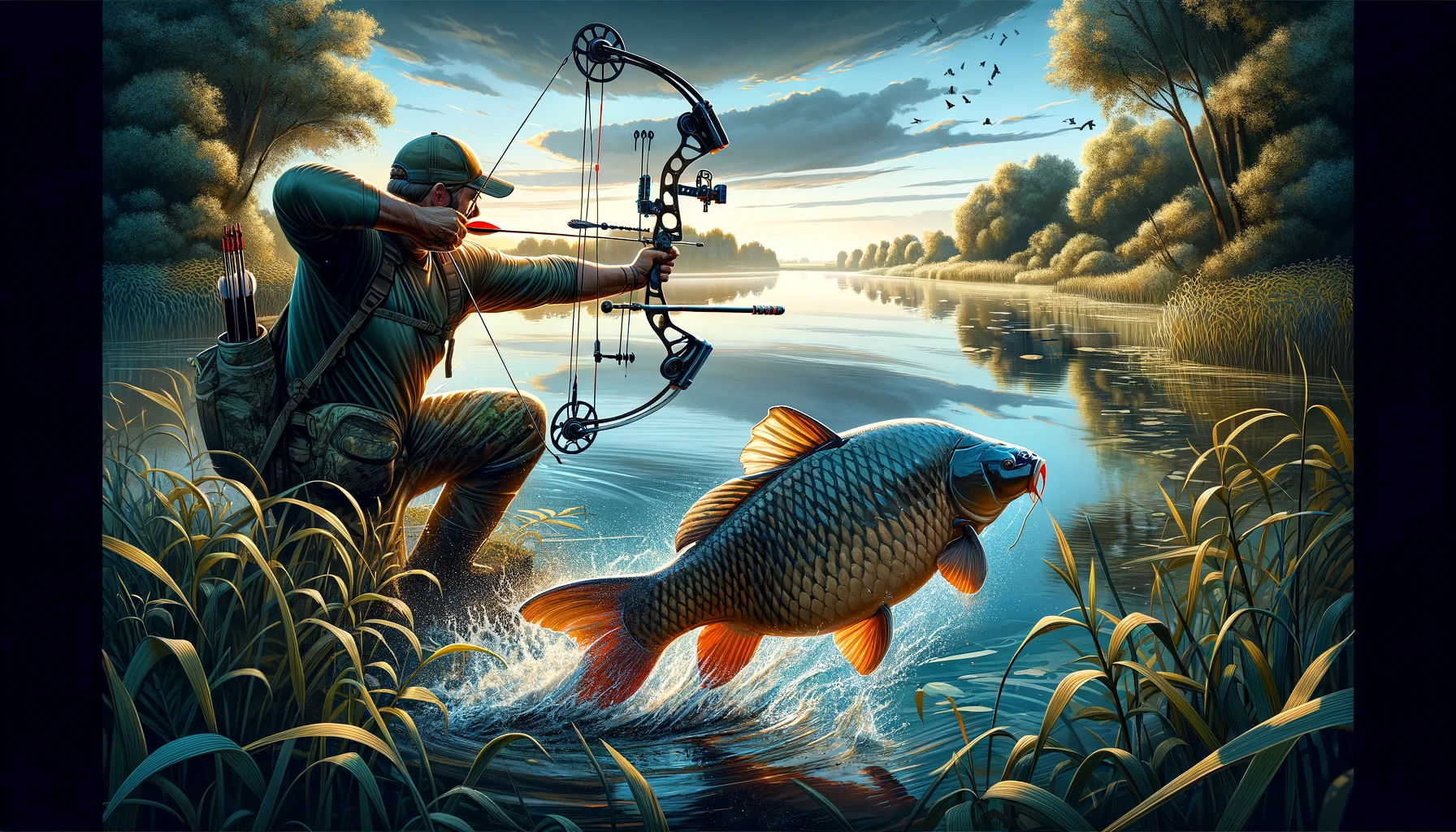
Bowfishing for prairie carp can be a useful off-season archery challenge, but it is also a rules-first activity. Fish species, legal methods, lights, boat use, disposal rules, and seasons can change by state and waterbody, so check current regulations before you shoot.
This guide focuses on safe, ethical bowfishing habits for carp-like prairie-water fish. It does not replace your state fishing guide or local conservation officer. When species identification is uncertain, do not shoot.
Table of contents
Quick Answer
Before bowfishing prairie carp, confirm the fish is legal to take with bowfishing equipment, identify the species, check waterbody-specific rules, and plan safe retrieval and disposal. Bring a bowfishing arrow, line, reel, polarized eye protection, lights if legal, a landing tool, cooler or disposal plan, and basic boating safety gear.
Check Rules Before Bowfishing
Bowfishing rules are not universal. Some states allow carp and other rough fish by bow, some limit species, and some waters have special rules. Start with your state wildlife agency and current fishing guide. State examples include Nebraska Game and Parks, Kansas wildlife regulations, and Minnesota DNR fishing regulations, but the correct source is the agency where you will fish.
Species rules vary
Do not assume every large fish in shallow water is legal carp. Native suckers, buffalo, gar, paddlefish, and other species can have different rules or conservation concerns.
Night lights and boat rules vary
Night bowfishing may involve lights, boats, generators, and local noise rules. Check boating requirements, navigation lights, access hours, and any local restrictions before launching.
Ask before uncertain trips
If the regulation language is unclear, call the state wildlife agency or local conservation officer. Guessing can turn a fun trip into a violation.
Save a copy of the current regulation page or fishing guide before the trip, especially when traveling. Cell service can be poor near rural water, and having the rule text available helps you double-check species, hours, and disposal requirements on site.
Private water still has rules
Permission from a landowner does not automatically answer license, species, method, transport, or disposal questions. Private ponds, connected waters, flood-control areas, reservoirs, and public access points may all have different requirements.
Species Identification
Good species identification is part of ethical bowfishing. Bowfishing is not catch-and-release; once an arrow hits a fish, the decision is final.
Confirm before the shot
Look at body shape, mouth position, scales, fins, and behavior. If glare, mud, or movement makes identification doubtful, pass the shot.
Know invasive versus native concerns
Some carp are invasive in many waters, but not every non-game fish is invasive or unwanted. Avoid broad “rough fish” assumptions and follow current agency guidance.
Use a local fish ID source
Carry a state fish-identification guide or agency app if available. Local names can be confusing, and the same casual name may be used differently from one region to another.
Bowfishing Gear Basics
Bowfishing uses specialized gear because the arrow is tethered to a line. A normal hunting arrow and normal bow setup are not enough.
Bow, reel, and line
Use a bowfishing reel and line designed for arrow retrieval. Inspect line wear, knots, slides, and reel function before shooting.
Bowfishing arrows
Bowfishing arrows are heavier than normal arrows and usually use barbed points. Check that the point, slide, and line path are assembled correctly before use.
Polarized glasses and lights
Polarized glasses help cut surface glare during daylight. Lights can help at night only where legal and safe. Avoid shining toward homes, roads, other boats, or people.
Keep spare safety parts
Bring spare line, nocks or slides, pliers, a towel, and a small first aid kit. Bowfishing points are sharp, fish are slippery, and line problems are easier to handle before they become a safety issue.
Safety on Shore and Boat
Bowfishing mixes archery, water, lines, sharp points, and sometimes boats at night. Treat it like a safety-sensitive activity from the start. For boating education basics, Boat-ed is a useful public starting point.
Know what is beyond the fish
Never shoot toward people, boats, docks, livestock, roads, or property. Water can hide hazards, and arrows can skip or travel beyond the fish.
Manage line hazards
Keep loose line away from feet, motors, pets, and other anglers. A tangled line can create a fall hazard or damage gear.
Account for water refraction
Fish seen through water are not exactly where they appear. Refraction makes many beginners shoot high. Practice on legal targets or with an experienced bowfisher before trying difficult shots in moving water.
Wear flotation where needed
If you fish from a boat, follow life jacket, navigation light, capacity, and boating rules. Night trips deserve extra caution.
Set safe shooting lanes
Agree on shooting lanes before anyone draws. If two people are on the same boat or bank, decide who shoots which side and when others need to stand clear of line, arrow, and retrieval path.
Ethics and Fish Disposal
Responsible bowfishing includes a plan for every fish taken. Do not leave carcasses at ramps, shorelines, parking areas, or public access points.
Use what you take when possible
Some people eat carp, use fish for garden compost where legal, or dispose of fish according to local rules. Know the allowed disposal options before the trip.
Avoid wasteful pile photos
Large piles of wasted fish hurt public support for bowfishing and can create sanitation issues. Keep the activity clean, legal, and respectful.
Respect access points
Boat ramps and shore access points are shared spaces. Clean up line, lights, bottles, fish slime, and trash before leaving. A clean access point helps protect future permission for everyone.
Match the trip to the conditions
Wind, muddy water, strong current, boat traffic, and low visibility can make bowfishing harder and less safe. Passing on poor conditions is part of responsible judgment, especially with new shooters or unfamiliar water.
For related TSG reading, see our guides on how bowfishing supports hunting skills, ethical hunting practices, and bow hunting for beginners.
Trip Checklist
- Current fishing regulations for the exact waterbody
- Species identification guide or agency app
- Bowfishing bow, reel, line, arrows, and points
- Polarized glasses, lights if legal, and backup batteries
- Life jackets and boat safety gear if boating
- Cooler, bags, or legal disposal plan
- First aid kit, pliers, towel, and spare line
- Trash bags or approved containers for cleanup and fish transport
- Weather, wind, and water-level check before leaving home
FAQ
Where can I check whether bowfishing is allowed?
No. Bowfishing legality depends on state, species, season, method, and waterbody. Check current rules before fishing.
Can I release a fish after bowfishing?
No. Bowfishing is a lethal method. Only shoot fish you can legally take and responsibly use or dispose of.
Do I need a fishing license?
Usually, yes, but license rules vary by state, age, residency, and waterbody. Confirm with the state wildlife agency.
What is the biggest beginner mistake?
The biggest mistake is shooting before confirming species, backstop, and legal method. Slow down and verify first.
Bottom Line
Bowfishing for prairie carp is best approached as a regulation-aware, safety-first activity. Confirm the rules, identify the fish, manage line and boat hazards, and have a clean disposal plan before the first shot.