First Sheep Hunt Guide: Tags, Fitness, Glassing, and Mountain Safety
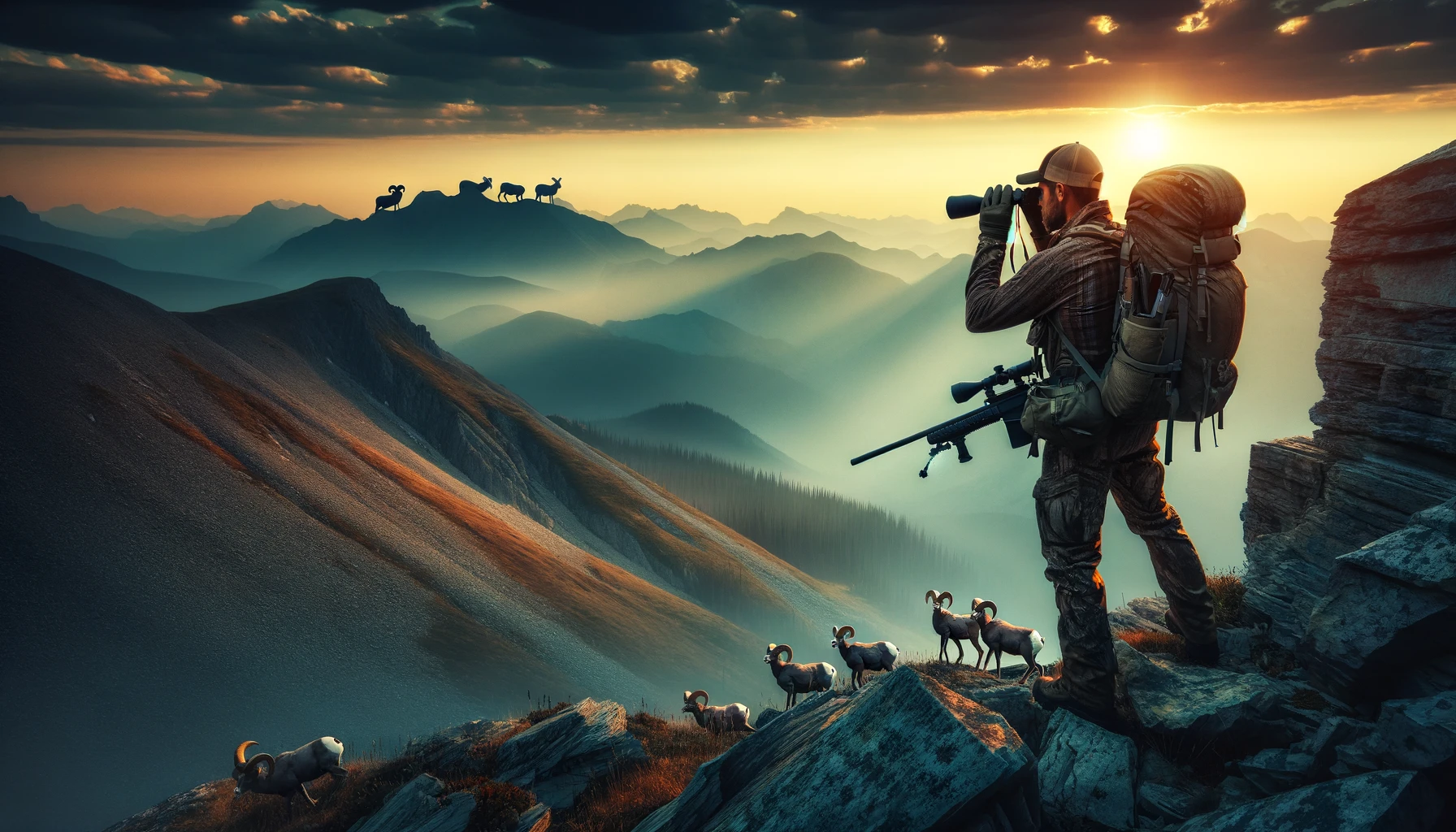
A first sheep hunt is a mountain-planning problem before it is a shooting problem. The hunt starts with the tag, the unit rules, your fitness, safe travel, glassing discipline, and a clear plan for getting meat out of steep country. Do not treat sheep hunting like a longer deer hunt. The terrain, weather, distance, and tag rules deserve a separate plan.
Table of contents
Quick Answer
For a first sheep hunt, focus on official tag rules, realistic conditioning, patient glassing, safe route choices, and a pack-out plan before buying more gear. Sheep country can punish rushed decisions, so the best first-hunt plan is conservative: know the law, move carefully, shoot only inside your proven range, and have a clear exit plan.
- First step: read the current regulation book for the exact state, province, unit, species, and residency status.
- Main skill: glassing from stable positions before hiking into every basin.
- Main risk: steep terrain, weather, fatigue, and a difficult meat pack-out.
- Best mindset: pass unsafe routes and bad shots even if the tag took years to draw.
Start With Tags, Units, and Guide Rules
Sheep tags are often limited, expensive, or difficult to draw. Some places also have nonresident guide requirements, horn-size rules, harvest reporting, sealing requirements, or special unit restrictions. Because those rules change, use the official wildlife agency for your hunt area as the final source, not an old article, forum post, or social-media comment.
Rule Checks Before You Spend Money
- Species and sex allowed on the tag.
- Exact unit, season dates, weapon type, and access restrictions.
- Resident versus nonresident requirements.
- Guide, outfitter, transporter, or access-permit rules.
- Harvest reporting, check station, sealing, and evidence-of-sex requirements.
- Meat salvage and transport requirements.
Build Fitness for Steep Country
Sheep hunting can involve long climbs, loose rock, sidehilling, creek crossings, and heavy pack-outs. Train for the terrain you expect, not just general cardio. A treadmill or flat trail helps, but it does not fully prepare your feet, knees, lungs, and balance for loaded downhill travel.
Practical Training Targets
- Hike with the pack and boots you plan to use.
- Add elevation gain gradually instead of jumping into a heavy load.
- Practice downhill hiking because descents often cause more slips and soreness than climbs.
- Train with trekking poles if you plan to use them.
- Stop training if pain changes your stride or balance.
Scout Terrain Before You Scout Sheep
Before looking for animals, study how you will move. Mark glassing knobs, water, escape routes, avalanche chutes, cliff bands, private boundaries, public-access points, and places where a loaded pack-out would become unsafe. A sheep you cannot recover legally and safely is not a good opportunity.
Map Questions to Answer
- Where can I glass without climbing through the bedding area?
- Where can I cross safely if weather changes?
- What route gets me out after dark?
- Where does phone service end?
- Where would a pack-out be too risky?
Use Optics Before You Burn Your Legs
New sheep hunters often hike too much and glass too little. Good glassing saves energy and helps you make better stalk decisions. Use binoculars to scan, then a spotting scope to judge details if the animal is far away. Take your time. Sheep can blend into rock, shadow, and grass, especially when bedded.
Better Glassing Habits
- Glass from shade when possible to reduce eye strain.
- Use a tripod or stable rest for long sessions.
- Grid the slope slowly instead of sweeping too fast.
- Watch edges of cliffs, benches, saddles, and feeding shelves.
- Rest your eyes and repeat the same hillside after light changes.
If you are still choosing glass, our guide on what to know when buying binoculars explains magnification, field of view, exit pupil, and eye relief.
Gear That Matters on a First Sheep Hunt
Sheep gear should earn its weight. The expensive item is not always the useful item. Boots that protect your feet, rain layers that keep you dry, optics you can hold steady, navigation you understand, and a pack that carries meat well matter more than small gadgets.
Core Gear Categories
- Boots: broken in, supportive, and tested on steep ground.
- Layering system: base layer, insulation, rain shell, gloves, and warm hat.
- Optics: binoculars, tripod or support, and spotting scope if needed.
- Navigation: map, compass, GPS or phone mapping, and backup power.
- Emergency gear: first aid, fire starter, headlamp, shelter, and communication plan.
- Meat care: game bags, knife, sharpener, flagging, and pack frame or load shelf.
Shot Plan and Ethical Range
Sheep terrain can make shots look easier or harder than they are. Wind, steep angles, unstable rests, high heart rate, and distance all matter. Decide your maximum range before the hunt and base it on field practice, not a best-day bench group.
Before Taking a Shot
- Confirm the animal is legal for your tag.
- Confirm a safe background and recovery route.
- Range the animal and check the angle.
- Use a stable rest or position.
- Pass if wind, distance, brush, or animal movement makes the shot uncertain.
For a broader practice framework, see our shooting and archery practice plan.
Meat Care and Pack-Out Planning
Plan the pack-out before the shot. In warm weather, meat can spoil quickly, and steep country can turn a short map distance into a long carry. Bring breathable game bags, know where shade and water are, and understand your legal meat-salvage obligations before the hunt starts.
Pack-Out Questions
- Can I get all required meat out before spoilage becomes a risk?
- Do I have enough bags, cord, and pack capacity?
- Can I safely descend with a heavy load?
- Who knows my route and check-in time?
- What is the backup plan if weather blocks the first route?
Mountain Safety Checks
Mountain hunting safety is mostly unglamorous: foot placement, weather calls, hydration, navigation, and honest turnaround decisions. If the route feels unsafe on the way in, it may be worse with meat, darkness, or rain on the way out.
Minimum Safety Plan
- Leave a route plan and return time with someone reliable.
- Carry map and compass even if you use a GPS app.
- Check weather before leaving and during the hunt when possible.
- Bring enough insulation to survive a slow night out.
- Turn around before the route, weather, or fatigue removes your safety margin.
FAQ
Is a first sheep hunt realistic for a beginner?
It can be, but only with careful planning, honest fitness, current legal knowledge, and enough field support. Many first-time sheep hunters benefit from going with an experienced partner or licensed guide where required or practical.
Do nonresidents need a guide for sheep hunting?
Sometimes. Guide requirements depend on the place, species, and residency status. Check the official wildlife agency for the exact hunt before applying or booking travel.
What is the hardest part of sheep hunting?
The hardest part is usually the combination of terrain, weather, distance, animal judging, and pack-out logistics. Shooting is only one part of the hunt.
What optics do you need for sheep hunting?
Most sheep hunters rely on quality binoculars and often a spotting scope on a tripod. The exact setup depends on terrain, budget, and how much weight you can carry safely.
How should I train for my first sheep hunt?
Train with your boots and pack, add hills gradually, practice downhill movement, and include hikes long enough to expose foot, pack-fit, and hydration problems before the hunt.
Sources
- Wild Sheep Foundation – conservation background and sheep-hunting context.
- National Park Service Hiking Safety – mountain travel and route-planning safety principles.
- NSSF Firearm Safety Rules – firearm handling and target-safety rules.
- Bowhunter-ed – bowhunting safety and shot-selection education.
- eRegulations – state regulation portals for checking current tag and hunting rules.