Axis Deer Hunting in Texas: Rules, Access, and Meat Care
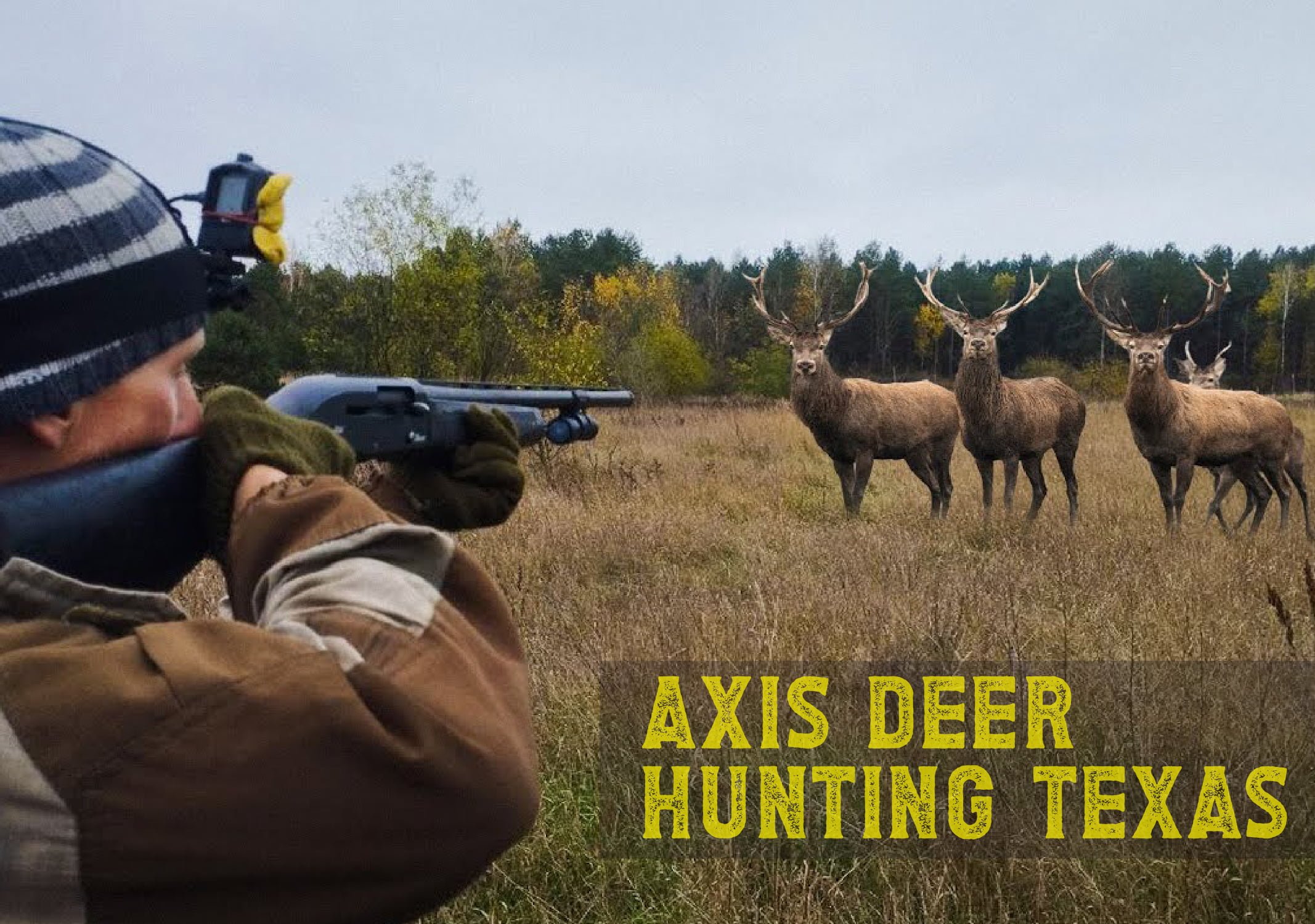
Axis deer hunting in Texas should start with current Texas Parks and Wildlife Department rules, landowner permission, license checks, legal method checks, and a meat-care plan. Axis deer are often treated differently from native deer, but that does not mean every hunt is rule-free or access-free.
This guide is a current-safe planning checklist for hunters researching Texas axis deer. It does not replace TPWD regulations, private-land permission, ranch rules, outfitter instructions, or professional legal advice.
Table of contents
Quick Answer: How Should You Plan Axis Deer Hunting in Texas?
Plan axis deer hunting in Texas by confirming TPWD rules, landowner permission, license needs, legal weapons, ranch or lease rules, safe shooting lanes, recovery permission, and meat-care logistics before the hunt.
- First source: Texas Parks and Wildlife Department regulations.
- Main access issue: Most axis deer hunting is tied to private land, ranches, leases, or guided access.
- Main rule issue: Confirm how Texas treats exotic animals and what still applies to your specific hunt.
- Main safety issue: Know roads, homes, livestock, neighboring blinds, and property boundaries.
- Main meat-care issue: Texas heat can damage meat fast, so recovery and cooling must be planned before the shot.
Start With Official Texas Rules
Start with the TPWD Outdoor Annual hunting regulations. Use current TPWD pages for license, legal method, tagging where applicable, county rules, and any change that affects the property or hunt type.
Also review TPWD’s exotic and nongame animal information. Axis deer are commonly discussed as exotic animals in Texas, but hunters still need to verify the current rule and the land-specific requirements before hunting.
- License: Confirm whether your hunting license is required for the exact hunt.
- Land access: Confirm written or clear permission from the landowner, ranch, lease, or outfitter.
- Method: Confirm firearm, archery, suppressor, night, light, vehicle, and local restrictions where relevant.
- Transport: Know how the animal and meat can be transported from the property.
- Local overlay: County, municipal, ranch, and safety rules may add limits beyond the broad exotic-game discussion.
Axis Deer and Exotic-Game Status
Axis deer are not native Texas whitetails, and that changes how many hunters think about them. Still, the practical planning steps remain serious: verify legality, verify access, use safe shooting practices, and handle meat properly.
- Do not assume native-deer rules apply: Axis deer and whitetail deer can be regulated differently.
- Do not assume no rules apply: Landowner rules, licensing, method restrictions, and safety laws can still matter.
- Do not assume public access: Many axis deer opportunities are on private land.
- Do not assume trophy first: Meat care, safety, and permission should come before antler talk.
If any rule or property instruction is unclear, contact TPWD or the land manager before hunting. A ranch advertisement or old forum answer is not enough for legal planning.
Private Land, Ranch, and Public Access Checks
Access is usually the central question for Texas axis deer. A good plan confirms the property, boundary, shooting lanes, guest rules, recovery permission, and meat-processing logistics before the hunt starts.
- Private ranch: Confirm guest rules, legal methods, check-in, shot opportunities, meat handling, and tipping expectations.
- Lease: Confirm whether axis deer are included and whether guest hunters are allowed.
- Guided hunt: Confirm what the guide provides and what documents remain your responsibility.
- Public land: If hunting public land, confirm the area specifically allows the hunt and what permits apply.
- Boundary recovery: Know what happens if an animal crosses a fence or property line.
License and Legal Method Checks
Before choosing gear or travel dates, verify license and method rules through TPWD’s hunting license and permit information. Landowners and outfitters can help, but the hunter should still read the official rules.
- License status: Confirm resident or nonresident requirements.
- Hunter education: Confirm whether you need proof or qualify for an exemption.
- Firearm or archery method: Verify legal and property-approved methods.
- Low-light rules: Do not assume night, lights, thermal, or vehicle-based methods are allowed.
- Local safety rules: County, city, or property restrictions can matter near roads or structures.
For firearm hunts, the NSSF firearm safety rules are a useful baseline: control the muzzle, keep your finger off the trigger until ready, and know your target and what is beyond it.
Safety, Recovery, and Meat Care
Texas axis deer hunts often happen around ranch roads, senderos, blinds, feeders, livestock, fences, and neighboring properties. A safe hunt plan covers both the shot and what happens after it.
- Know the backdrop: Avoid unsafe directions toward roads, homes, livestock, workers, or other hunters.
- Know the animal: Confirm it is the intended species and allowed by the property rules.
- Mark the shot: Note where the deer stood and where it last moved.
- Track with permission: Do not cross boundaries without landowner approval.
- Cool meat quickly: Have ice, shade, airflow, game bags, and transport ready.
Legal hunting also connects to conservation funding. The U.S. Fish and Wildlife Service Wildlife and Sport Fish Restoration Program explains how hunting and fishing funds support wildlife management, even though exotic-species management can differ from native game management.
Ethics and Land Respect
Good axis deer hunting protects future access. Follow the landowner’s rules, leave gates as found, avoid road damage, handle meat cleanly, and do not turn an exotic hunt into careless shooting.
- Respect permission: Do not scout, hunt, or recover across boundaries without approval.
- Respect ranch staff: Follow check-in, driving, gate, and field-care instructions.
- Respect the animal: Take only shots that offer clean recovery.
- Respect other hunters: Coordinate safe lanes, blinds, and recovery routes.
- Respect the meat: Plan processing and transport before the hunt.
FAQ
Is axis deer hunting legal in Texas?
It can be legal where current Texas rules, property access, and local restrictions allow it. Check TPWD and the landowner or outfitter before hunting.
Do you need a hunting license for axis deer in Texas?
Check the current TPWD license and exotic animal rules for your exact hunt. Do not rely on old summaries because requirements and interpretations can change.
Can you hunt axis deer on Texas public land?
Only where the specific public hunting area allows it and you have any required permits. Many axis deer opportunities are on private land, ranches, or leases.
What is the best time to hunt axis deer in Texas?
The best time depends on legal access, ranch rules, weather, animal movement, meat-care plans, and hunter availability. Confirm access and rules before choosing dates.
Is axis deer meat good?
Many hunters value axis deer meat, but quality depends on shot placement, recovery time, cooling, cleanliness, and processing. Plan meat care before hunting.
Bottom Line
Axis deer hunting in Texas should be planned from official rules and land access outward: TPWD checks, license needs, property permission, legal method, safe shooting lanes, recovery permission, and meat care. If any point is unclear, confirm it before the hunt.