Top Outdoor Clothing Brands
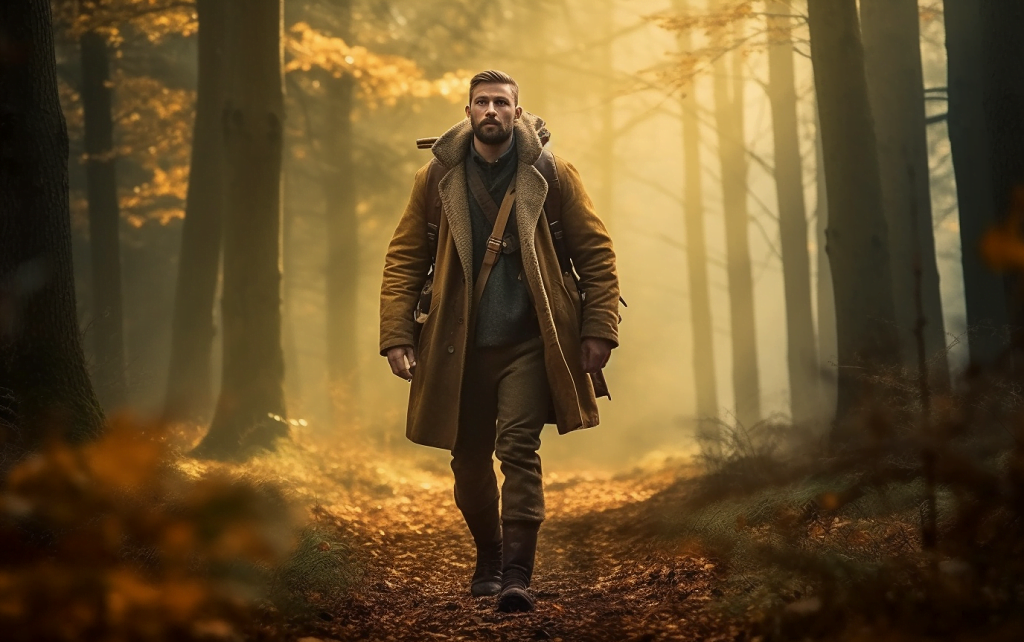
The best outdoor clothing brand for you is the one that matches your weather, activity, fit, budget, and repair expectations. A winter treestand hunter, a summer hiker, a backpacker, and a wet-weather camper do not need the same jacket, base layer, or pants.
Start with the conditions, then compare brands by materials, sizing, durability, warranty, and real use case. This guide does not rank brands as “best” without current hands-on testing of every product line. Instead, it gives you a practical way to judge outdoor clothing brands before spending money, especially when old reviews, seasonal collections, and sponsored lists can blur what actually matters.
Table of Contents
Quick Answer
Choose an outdoor clothing brand by the job first. For hunting, prioritize quiet fabrics, weather protection, layering, and pocket layout. For hiking, prioritize breathability, weight, sun protection, and pack comfort. For cold weather, prioritize moisture control and insulation. For rain, prioritize waterproof construction, hood fit, seams, and ventilation.
| Use case | What matters most | Brand signal to check |
|---|---|---|
| Cold weather | Base layer, insulation, wind shell, hand protection, and moisture control | Clear warmth rating, fabric weight, and layering compatibility |
| Rain | Waterproof shell, sealed seams, hood adjustment, cuffs, and ventilation | Waterproof construction details, not just “weather resistant” wording |
| Hot weather | Breathable fabric, sun coverage, fast drying, odor control, and relaxed fit | UPF rating, venting, fabric blend, and realistic sizing notes |
| Hunting | Quiet fabric, camo or earth tones, layering, pocket access, and durability | Field-specific design, not only a lifestyle outdoor look |
Main Types of Outdoor Clothing Brands
Outdoor clothing brands usually fall into a few groups. Technical mountain brands focus on light weight, weather protection, and packable layers. Hunting brands focus on quiet movement, camouflage, field pockets, and cold-weather sitting comfort. Workwear-style outdoor brands focus on toughness and value. Lifestyle outdoor brands may look good around town but may not be the strongest choice for hard weather.
None of those categories is automatically better. A durable workwear pant may be better for brush and chores than a fragile ultralight hiking pant. A quiet hunting jacket may be better in a treestand than a noisy hard shell. A technical rain shell may be better on a wet trail than a heavy insulated coat.
Technical hiking and backpacking brands
These brands usually emphasize packability, low weight, breathable fabrics, sun protection, and waterproof shells. They can be excellent for hiking, scouting, travel, and active hunts where you are moving most of the day. The tradeoff is that ultralight pieces can be less abrasion-resistant in thorns, brush, and hard work around camp.
Hunting-focused clothing brands
Hunting clothing brands usually design around silence, concealment, range of motion, and pocket placement. For deer hunting, turkey hunting, duck blinds, and cold sits, those details can matter more than shaving a few ounces. Check whether the fabric is quiet when rubbed, whether cuffs seal comfortably, and whether pockets are reachable with a pack, safety harness, or waders.
Workwear and value outdoor brands
Workwear-style outdoor clothing can be a smart choice when durability and price matter more than technical weight. Canvas, ripstop, fleece, and simple insulated pieces can handle chores, range days, camp setup, and short hunts well. The downside is bulk: heavy clothing can trap sweat during high-output walking, then chill you when you stop.
What to Compare Before Buying
- Weather match: compare clothing against the temperature, wind, rain, snow, and sun exposure you actually face.
- Activity level: high-output hiking needs breathable layers; still hunting needs warmth without too much bulk.
- Fit and sizing: check whether the brand runs trim, regular, tall, short, or roomy enough for base layers.
- Durability: look for fabric weight, reinforcement, stitching, zipper quality, and warranty reputation.
- Noise: hunters should be careful with stiff rain shells, loud nylon, and noisy hook-and-loop closures.
- Return policy: sizing varies widely across outdoor brands, so a good return window matters.
For general trip planning, the National Park Service Ten Essentials list is a useful reminder that clothing is only one part of outdoor readiness. Weather, insulation, navigation, light, food, water, and emergency supplies all work together.
Layering and Weather Fit
A good outdoor clothing setup is usually a system, not a single expensive jacket. The basic system is a base layer to manage sweat, a mid layer for warmth, and an outer shell to block wind or rain. In cold weather, that system should keep moisture away from skin and let you adjust before overheating.
For cold-weather hunting, the biggest mistake is dressing only for the walk in. You can sweat on the way to the stand, then get cold once you sit. A better plan is to walk in lighter, carry insulation, then add your warm layer once you slow down. In wet or windy conditions, a shell can matter as much as insulation because wind strips heat quickly.
For safety, cold-weather clothing should also support visibility and emergency planning. The National Weather Service cold-weather safety guidance is a good reference when conditions can shift from uncomfortable to dangerous.
Materials That Matter
Material choice has a bigger effect than brand name alone. Merino wool is popular for base layers because it manages odor and feels comfortable across changing temperatures. Synthetic base layers dry quickly and often cost less. Fleece is warm and breathable but does not block wind well by itself. Down insulation is warm for its weight but loses performance when wet unless protected. Synthetic insulation is bulkier but handles damp conditions better.
For rainwear, read the details carefully. “Water resistant” is not the same as a true waterproof shell with sealed seams. For hunting, also consider sound: some waterproof fabrics work well in storms but can be too loud for close-range woods hunting. For pants and jackets used in brush, reinforcement around knees, seat, shoulders, and cuffs can matter more than a flashy fabric name.
Brand Evaluation Checklist
Before trusting any “top brand” list, run the brand through a quick checklist. A strong brand for your use case should make it easy to understand what the clothing is built for, what conditions it handles, and where its limits are.
- Does the brand clearly separate hiking, hunting, fishing, workwear, rainwear, and lifestyle clothing?
- Are fabric names backed by plain-English details like weight, insulation type, waterproof construction, and stretch?
- Are sizing charts detailed enough for layering, tall sizes, short sizes, and women-specific fits?
- Can you find real owner feedback about durability after a full season, not just first-week impressions?
- Does the return or warranty policy make sense for the price?
- For hunting clothing, are noise, pocket layout, harness access, and weather protection actually addressed?
When a Cheaper Brand Is Enough
You do not always need premium clothing. For mild weather, short walks, range use, camp chores, or casual hiking, a budget fleece, basic rain shell, and comfortable pants may be enough. Spending more makes the most sense when failure would ruin the day: long rain, freezing sits, multi-day trips, high-output hiking, or remote hunts where drying gear is difficult.
If your budget is limited, buy the layer that solves the biggest problem first. In wet country, that may be a better shell. In cold still-hunting, it may be insulation and warm socks. In hot sun, it may be breathable UPF clothing and a brimmed hat. Brand loyalty matters less than matching the layer to the problem.
FAQ
What is the most important outdoor clothing layer?
The base layer is often the most important because it controls moisture next to your skin. A poor base layer can leave you sweaty, cold, and uncomfortable even if your jacket is expensive.
Are hunting clothing brands better than hiking brands?
Not always. Hunting brands can be better for quiet movement, camouflage, and cold sits. Hiking brands can be better for breathability, low weight, and packability. Pick by activity, not by label.
Should I buy waterproof or water-resistant clothing?
Use waterproof clothing for steady rain, wet brush, or long exposure. Water-resistant clothing is better for light mist, short exposure, and breathability. If rain is likely, check for sealed seams, hood fit, cuffs, and ventilation.
Is merino wool worth it?
Merino wool can be worth it for base layers and socks because it handles odor well and stays comfortable across changing temperatures. Synthetic layers usually dry faster and cost less, so the better choice depends on budget and trip length.
How should I compare outdoor clothing brands online?
Compare the exact product line, not only the brand name. Look at fabric, fit, insulation, waterproof details, owner reviews, return policy, and whether the clothing is designed for your activity. A brand can make excellent jackets and average pants, or strong hunting gear and weak rainwear.
Bottom Line
The right outdoor clothing brand is the one that helps you stay dry, warm, mobile, and comfortable for your real conditions. Start with the weather and activity, build a sensible layering system, then choose the brand whose materials, fit, warranty, and field design match that job. A careful buyer will get more value from the right category of clothing than from chasing a brand name alone.