How to Hunt Coyotes Safely and Legally: Beginner Guide
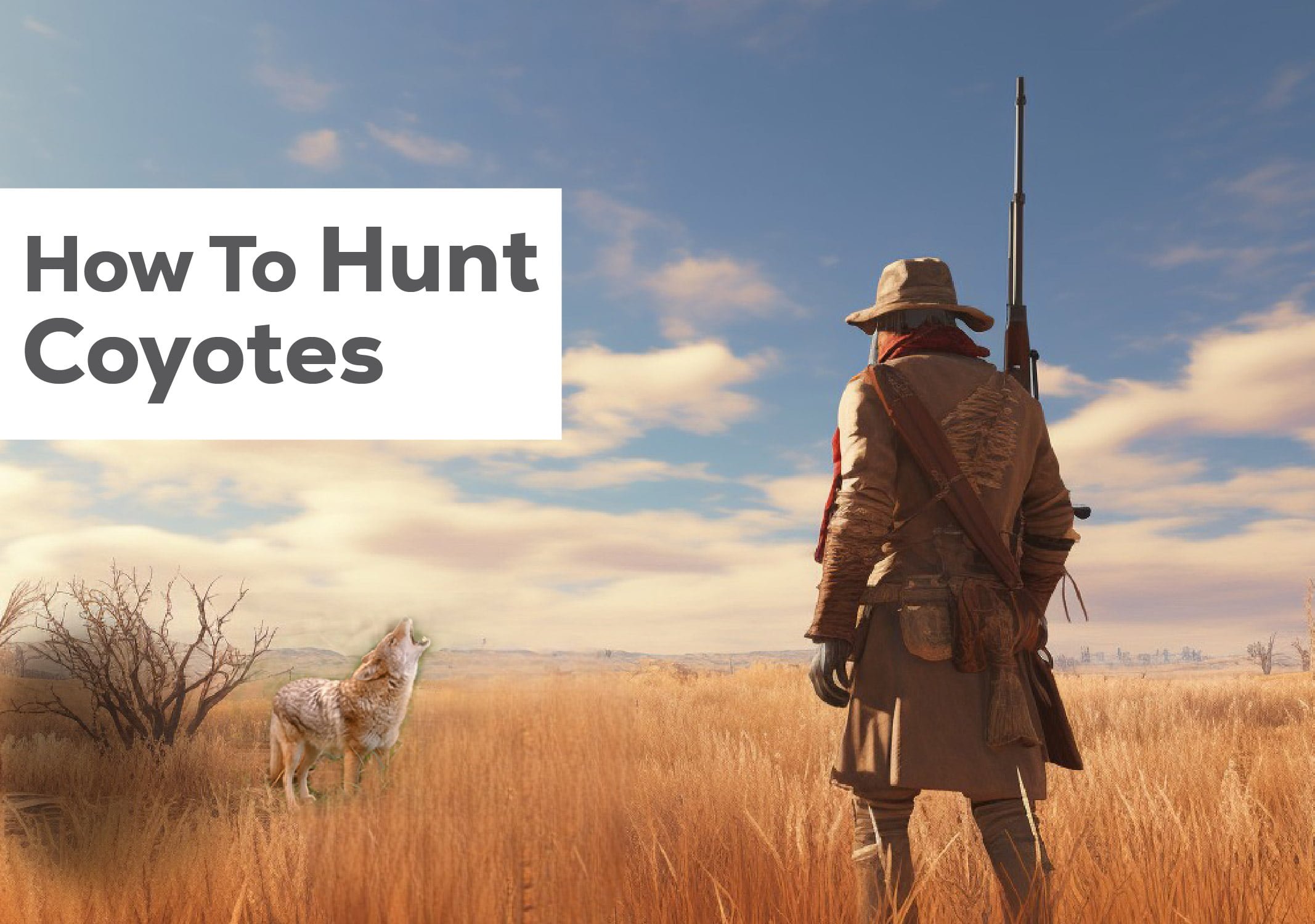
Coyote hunting should start with current state regulations, safe target identification, and disease-aware handling before you think about calls, camouflage, or rifles. Rules can change by state, land type, season, night equipment, electronic calls, lights, thermal optics, ammunition, and license status.
This guide gives beginners a safe, legal-first way to plan a coyote hunt. It does not replace your wildlife agency regulations, public-land rules, or hunter education.
Table of Contents
Quick Answer: How Should a Beginner Hunt Coyotes?
A beginner should verify coyote regulations, get permission, scout sign, set up with a safe backstop and wind advantage, use calls with restraint, identify the animal clearly, take only shots within practiced range, and handle any carcass with gloves and disease precautions.
Do not start with gear
Gear helps only after the legal and safety plan is clear. A rifle, caller, or thermal optic can be illegal or unsafe in the wrong place.
Do not promise population control
Regulated hunting may be part of local wildlife or damage management, but ordinary recreational hunting should not be sold as a simple fix for coyote populations.
1. Check Coyote Hunting Laws First
Coyote hunting laws vary widely. Before any hunt, check your state wildlife agency and the rules for the exact land where you will hunt. Texas Parks and Wildlife, for example, publishes state-specific guidance for nongame and other species. That page is an example of why hunters should verify the current state rule instead of relying on a national blog post.
Check license and season status
Some states treat coyotes as furbearers, predators, nongame animals, or nuisance wildlife. License, season, bag limit, reporting, and landowner rules can change with that category.
Check method restrictions
Verify firearms, shotguns, archery gear, suppressors, electronic calls, bait, dogs, lights, night vision, thermal optics, vehicles, and public-road restrictions before hunting.
Check pelt sale and transport rules
If you plan to keep, sell, tan, transport, or dispose of a coyote, check furbearer and carcass rules. Do not assume a legal harvest automatically allows sale or transport.
2. Understand Coyote Behavior
Coyotes are adaptable canids that can live around open country, farms, suburbs, forests, and parks. The National Park Service notes that Yellowstone coyotes use a varied diet and adjust to many conditions. That adaptability is one reason broad claims about controlling coyotes need caution.
Expect movement around food and pressure
Coyotes may respond to prey, carrion, livestock activity, human pressure, weather, breeding season, and cover. Look for tracks, scat, travel corridors, and vocal activity.
Do not assume they are only nocturnal
Coyotes can be active day or night. Around people, they often shift toward low-light periods. Plan for legal light and safe target ID rather than a fixed schedule.
Study local behavior
A farm coyote, desert coyote, timber coyote, and suburban-edge coyote may respond differently. Use local sign instead of copying a tactic from a different region.
3. Scout Without Overpressuring the Area
Scouting helps you choose a safe stand and understand travel routes. Keep it quiet and low-impact so you do not educate coyotes before the hunt.
Look for sign
Tracks, scat, hair on fences, kill sites, howling, and trail-camera photos where legal can help confirm activity.
Map safe shooting directions
Before calling, identify roads, homes, barns, livestock, trails, other hunters, and hard surfaces. A stand without a safe backstop is a bad stand.
Watch wind and approach
Approach quietly and keep your scent from blowing into likely cover. If you alert the area on the walk in, the best call may not matter.
4. Use Calls Carefully
Calls can help, but they can also educate coyotes and attract attention from non-target animals, pets, or other hunters. Use calls only where legal, and keep volume and duration realistic.
Distress calls
Rabbit, rodent, bird, and fawn distress sounds can work in the right place. Start softer than you think and give the area time to respond.
Coyote vocals
Howls, yips, and pup distress sounds can fit certain seasons, but overcalling can make coyotes cautious. Match the sound to the season and local pressure.
Electronic calls
Electronic calls are legal in some places and restricted in others. Check state rules before carrying one. If legal, place the caller where it pulls attention away from your position while keeping your shot direction safe.
5. Build a Safe Stand Setup
A good stand gives visibility, wind advantage, safe backstop, clear communication, and an exit route. It should not put roads, buildings, livestock, pets, or other hunters behind the target area.
Sit with cover behind you
Break up your outline with brush, a tree, terrain, or shadow. Keep enough room to move the firearm or bow safely.
Set partner zones
If hunting with a partner, agree on shooting lanes, no-shoot zones, communication, and who covers each side before the call starts.
Keep roads and vehicles out of play
Never shoot toward roads, vehicles, homes, livestock, or people. Check state rules for shooting from, across, or near roads and vehicles.
6. Take Ethical Shots
Coyote hunting often happens fast. That makes restraint important. Take only shots where you have confirmed the animal, backstop, angle, distance, and legal method.
Identify the target
Do not shoot at movement, eyes, shadows, or sound. Confirm it is a coyote and not a dog, fox, wolf where present, livestock, or another animal.
Know your real range
Practice from field positions. A long shot from a bench does not prove you can make the same shot on a moving animal from a sitting stand.
Plan follow-up safely
Approach a downed coyote carefully, watch for movement, and keep partners aware. Do not rush into brush with a loaded firearm pointed at the ground or another person.
7. Know Night-Hunting Restrictions
Night coyote hunting is legal in some places and restricted or banned in others. Lights, thermal optics, night vision, electronic calls, suppressors, and public-land rules can each have separate limits.
Target ID is harder at night
Low light makes mistakes more likely. If you cannot identify the animal and backstop clearly, do not shoot.
Check light and thermal rules
California’s wildlife agency, for example, publishes separate rules for nongame/furbearer hunting and nonlead ammunition. That is a reminder that state-specific pages matter. Always check the rule for your state before using night equipment.
Tell someone your plan
Night hunts should include a location plan, return time, partner communication, charged phone or radio, and emergency route.
8. Handle Coyotes With Disease Caution
Coyotes are wild animals and can carry parasites or diseases. Wear gloves when handling, dragging, skinning, or disposing of carcasses. Avoid animals that act sick, unusually aggressive, disoriented, or fearless around people.
Rabies caution
The CDC advises people to avoid bites and scratches from wildlife and seek medical or public-health guidance after potential rabies exposure. Review CDC rabies prevention before handling any suspicious animal.
Tularemia and handling caution
The CDC’s tularemia prevention guidance recommends gloves for hunters and people handling or skinning animals. Avoid direct contact with blood and tissues, and clean tools after use.
Carcass disposal
Disposal rules vary. Check state and local rules before dumping, burying, transporting, or keeping a carcass. Our fair chase ethics guide explains why legal disposal and public conduct matter.
9. Avoid Population-Control Overclaims
Coyotes are adaptable. The National Park Service’s Yellowstone coyote page describes their varied diet and flexible behavior. Local hunting may help with specific damage or management goals, but it should not be presented as a simple ecosystem fix.
Follow local agency goals
If a wildlife agency, landowner, or livestock operator has a specific damage-management need, follow that plan and the law. Do not invent a conservation claim for a casual hunt.
Respect non-hunters and landowners
Coyote hunting can be sensitive near neighborhoods, farms, and public lands. Clear communication and legal conduct protect access.
Keep records honestly
If the state or landowner asks for harvest, location, or damage information, report it accurately. Good data matters more than a bigger story.
10. Beginner Coyote Hunting Checklist
Use this checklist before your first stand. If any item is unclear, pause and verify.
Legal checklist
- Current state rules checked
- License and season status confirmed
- Public or private land permission confirmed
- Night equipment and electronic-call rules checked
- Transport, pelt sale, and carcass rules checked
Safety checklist
- Safe backstop identified
- No roads, homes, livestock, or people behind the target area
- Partner shooting lanes agreed
- Target ID standard set
- Gloves and cleanup supplies packed
Field checklist
- Wind checked
- Approach route planned
- Call volume controlled
- Shot distance kept within practiced range
- Exit route and emergency contact planned
FAQ
Can coyotes be hunted year-round?
In some places, yes, but not everywhere and not under every method. Check your state wildlife agency and public-land rules before hunting.
Can I hunt coyotes at night?
Only where night hunting and your chosen equipment are legal. Lights, thermal optics, night vision, e-calls, and suppressors may have separate rules.
What call should a beginner use?
A simple distress call is a reasonable starting point where calls are legal. Keep volume realistic and avoid overcalling.
Is coyote hunting good for conservation?
It can fit local wildlife or damage-management goals, but hunters should avoid broad claims. Follow agency guidance and be honest about what a single hunt can and cannot do.
Should I handle a coyote without gloves?
No. Wear gloves, avoid sick animals, clean tools, and seek medical guidance after bites, scratches, or possible exposure to saliva, blood, or tissues.
Final Takeaway
A good coyote hunt is legal, controlled, and honest about risk. Check the rules, identify the animal clearly, keep the shot safe, handle the carcass carefully, and avoid claims that go beyond what local wildlife managers support.
Related reading: hunting license requirements and hunting safety tips.