243 vs 308 Winchester Comparison
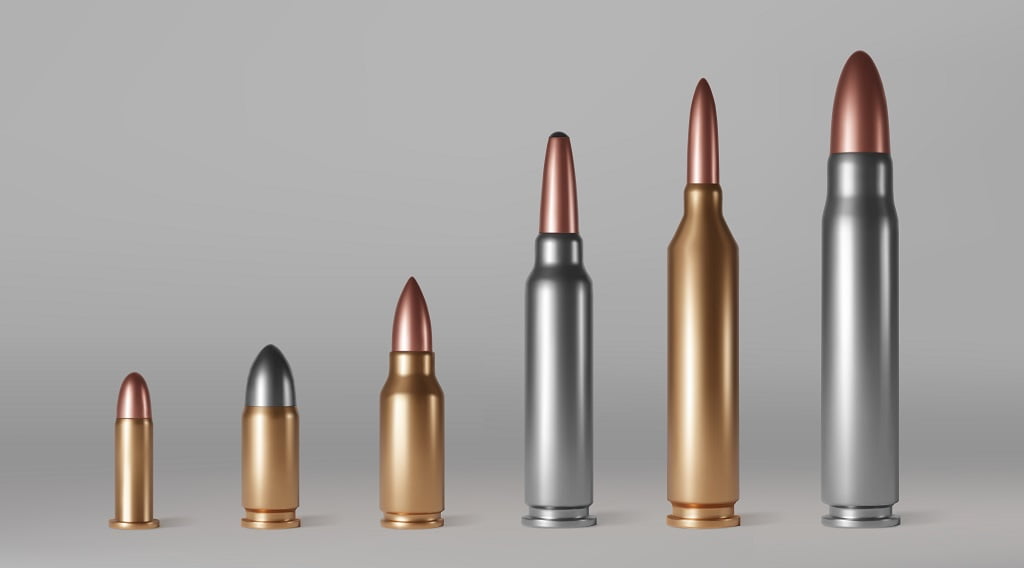
The .243 Winchester and .308 Winchester are related cartridges, but they solve different problems. The .243 is based on the .308 case necked down for a smaller bullet, so it is usually known for mild recoil and flatter-shooting varmint or deer use. The .308 uses a larger bullet and is usually chosen when hunters want more bullet weight and broader big-game flexibility.
Table of contents
The safest answer is not “which cartridge is more powerful?” It is “which cartridge matches your firearm, your legal hunting requirements, your recoil tolerance, and the game or target you are actually shooting?” Always confirm the exact cartridge marking on the firearm and ammunition box before loading anything.
Table of contents
Quick Answer
Choose .243 Winchester when you want mild recoil, a flat-shooting cartridge, and a rifle mainly used for varmints, predators, target practice, or deer-sized game where legal and appropriate bullets are used. Choose .308 Winchester when you want a more versatile medium-game cartridge with heavier bullet options, more recoil, and broad rifle and ammunition availability.
Both cartridges can be accurate. Neither cartridge makes up for poor shot placement, wrong bullet choice, an unverified zero, unsafe backstop, or ignoring state hunting rules.
.243 Winchester Overview
The .243 Winchester is a popular light-recoiling rifle cartridge. It is often used for varmints, predators, range work, and deer-sized game where legal. Its lighter bullets can make it feel easier to shoot well, especially for recoil-sensitive shooters, younger hunters, and anyone practicing from field positions.
The tradeoff is bullet weight and margin. On larger game, the .243 demands careful bullet selection, reasonable distance, and disciplined shot placement. It is not a universal big-game cartridge. State rules may also set caliber, energy, or cartridge restrictions, so check current regulations before hunting.
Best Fit For .243 Winchester
- Low-recoil range practice.
- Varmints and predators where legal.
- Deer-sized game with suitable bullets and responsible distances.
- Shooters who value mild recoil and easier follow-through.
.308 Winchester Overview
The .308 Winchester is known for versatility. It is used for hunting, target shooting, and general rifle practice in many rifle platforms. Compared with .243, it normally uses heavier bullets and produces more recoil, but it also gives hunters more bullet weight options for deer, hogs, black bear, and similar medium-game uses where legal.
The .308 is not magic at long range, and it is not automatically the best cartridge for every hunter. It still requires a properly fitted rifle, quality ammunition, verified zero, range practice, and an ethical understanding of your personal limit.
Best Fit For .308 Winchester
- Hunters who want heavier bullet options.
- Deer, hogs, black bear, and similar medium game where legal.
- Shooters comfortable with moderate recoil.
- Rifles used for both hunting and range practice.
.243 vs .308 Comparison Table
| Factor | .243 Winchester | .308 Winchester |
|---|---|---|
| Recoil feel | Usually milder | Usually stronger |
| Common role | Varmint, predator, deer-sized game, practice | Medium game, hunting, target practice |
| Bullet weight range | Generally lighter | Generally heavier |
| Shooter comfort | Often easier for recoil-sensitive shooters | Requires more recoil management |
| Game fit | Best for smaller to deer-sized game where legal | Broader medium-game flexibility where legal |
| Main caution | Needs careful bullet choice and shot placement on deer | More recoil can reduce practical accuracy for some shooters |
For ammunition compatibility, do not rely on cartridge names alone. The SAAMI unsafe ammunition combinations resource is a useful reminder that similar-looking cartridges can still be unsafe in the wrong firearm.
Hunting Fit
For deer-sized game, both cartridges can work when legal, properly zeroed, and paired with suitable hunting bullets. The .243 may be easier to shoot accurately for some hunters because recoil is lighter. The .308 gives more bullet weight and may offer more confidence on larger-bodied animals within appropriate limits.
For larger game, do not assume a cartridge is appropriate just because someone online used it once. Check state regulations, outfitter recommendations, bullet construction, shot angle, expected distance, and your own proven accuracy. For a broader framework, see our guide on what to check before choosing a firearm for hunting.
Range And Practice Fit
At the range, recoil and cost matter because practice volume matters. A .243 can be pleasant for longer practice sessions, especially for newer shooters. A .308 can be excellent practice too, but shooters need to manage recoil so they do not build flinch or poor trigger habits.
Whichever cartridge you use, confirm zero from realistic positions and with the ammunition you intend to use later. If you switch bullet type, bullet weight, or brand, check point of impact again. Our rifle scope sight-in guide explains why zero confirmation matters before hunting or serious practice.
Safety And Compatibility Checks
Before loading any rifle, read the cartridge marking on the barrel or receiver, check the owner’s manual, inspect the ammunition box, and make sure the ammunition is clean and undamaged. The NSSF firearm safety rules still apply regardless of cartridge: keep the muzzle in a safe direction, keep your finger off the trigger until ready to shoot, and know your target and what is beyond it.
Reloading should not be treated casually. If you reload, use current published load data from reputable manuals and component manufacturers, and never improvise powder charges. This article does not provide load data. For general ammunition decision-making, read our guide on choosing the right ammunition for your firearm.
FAQ
Is .243 or .308 better for deer?
Both can be suitable for deer where legal. The .243 offers mild recoil and can work well with proper bullets and shot placement. The .308 offers heavier bullet options and more margin for some hunters, but it also recoils more.
Is .243 better for beginners?
Often, yes, because recoil is usually milder. A lower-recoil rifle can help beginners practice without flinching. Fit, instruction, safety habits, and ammunition cost also matter.
Is .243 enough for elk?
For many hunters, .243 is not the preferred elk cartridge because bullet weight and margin are limited. Always check state rules and choose a cartridge, bullet, and distance that match the game and your proven ability.
Is .308 good for long-range shooting?
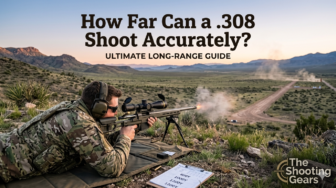
.308 can be used at longer ranges by trained shooters, but it still has wind drift and drop. Long-range shooting requires verified data, quality optics, stable positions, and safe backstops.
Can I shoot .243 in a .308 rifle?
No. Use only the exact cartridge marked for your firearm and listed in the owner’s manual. Related case design does not mean cartridges are interchangeable.
Final Takeaway
The .243 Winchester is usually the easier-shooting choice for recoil-sensitive shooters, varmints, practice, and deer-sized game where legal. The .308 Winchester is usually the broader medium-game option with heavier bullets and more recoil. Choose based on the firearm, law, game, bullet, distance, and your proven accuracy, not cartridge myths.