Deer Hunting Dog Breeds: Tracking, Recovery, Laws, and Handler Ethics
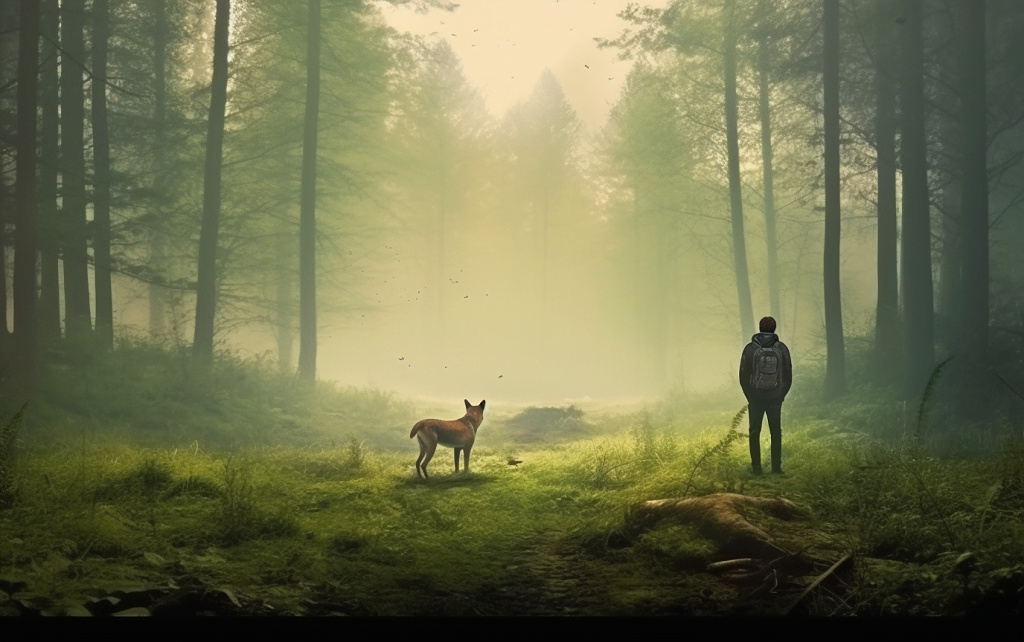
Deer hunting dog breeds sit at the intersection of skill, restraint, and local law. The right dog can help recover a wounded deer faster, reduce spoilage, and keep a hard hunt from turning into a lost-animal problem. The wrong use of a dog can cross into chasing live deer, disturbing neighbors, or breaking state rules. That is the line that matters: tracking and recovery are one thing; running deer for sport or convenience is another.
The safest starting point is to think in terms of jobs, not hype. A deer recovery dog needs nose, steadiness, voice control, and a handler who will stop the work when the trail is cold, the law says stop, or the property line says stop. A good dog can help with blood trailing and scent work. A careless handler can turn a useful tool into a public problem.
Table of contents
Quick Answer
Recovery comes before pursuit
If you want a dog for deer work, focus on recovery, not pursuit. The best deer dogs for most hunters are the dogs that stay controlled, work scent carefully, and stop when the trail ends. Bloodhounds are the classic name in this lane, but beagles, coonhounds, and other hounds can also be used for scent work when the law allows and the handler knows what he is doing. The breed matters, but the handler matters more.
State law is the first filter
State law is the first filter. Some states allow leashed tracking of wounded deer under defined conditions. Some limit dogs by season, by weapon type, or by species. Some ban deer dogs altogether, especially if the dog is likely to push live deer instead of merely recover a hit animal. Before you load the truck, read the current rules from your state wildlife agency, such as the Virginia DWR Hunting & Trapping Regulations.
Tracking Dogs vs Chasing Deer
Know which job the dog is doing
The difference is simple in principle and messy in the field. Tracking means you are following scent from a known shot site toward a wounded animal, usually on leash or under tight control, with the goal of recovery. Chasing means a dog is pushing live deer, widening the disturbance, and often leaving the hunter with less control over where the animal goes and who gets affected.
Intent has to match behavior
Handlers should be honest about intent. Calling a pursuit dog a “tracker” does not make it a recovery dog. The test is behavior: does the dog stay on a known wound trail, or does it switch to any live deer scent it finds? Good discipline keeps the answer on the right side of the line.
Breed Basics and Common Traits
Start with traits, not breed reputation
The American Kennel Club is a useful place to start for breed basics because it gives plain descriptions of size, temperament, and maintenance. The AKC Bloodhound page shows a breed famous for scent work, while the AKC Beagle page shows a smaller hound that is eager, social, and built to work scent in a pack. Those pages are a reminder that “deer dog” is not one breed and not one style.
For deer recovery, the traits that matter most are a strong nose, calm focus, moderate drive, and the ability to keep working after the easy part is gone. Voice can help a handler read the trail. Excessive range can hurt the job. A dog that disappears over ridges and into neighboring land may be talented, but it is not always suitable.
Common hunting and recovery traits
- Good scent discrimination
- Stamina without frantic pace
- Steady obedience around pressure
- Confidence in brush, water, and uneven ground
- A handler-friendly temperament
Legal Frame by State
There is no single national dog rule
There is no single national rulebook for deer dogs in the United States. State wildlife agencies set the rules, and the details can change from year to year. In some places, leashed tracking dogs are allowed after a confirmed shot. In others, dogs are restricted by season, area, weapon, or species. If a state digest is vague, call the agency before hunting instead of guessing in the field. The Virginia DWR Hunting & Trapping Regulations page is a solid example of how specific those digests can be.
Handler Discipline in the Field
The person on the lead matters most
A recovery dog only works as well as the person on the lead. Handler discipline means patience, restraint, and clean decisions. It means waiting long enough for the deer to bed if the hit calls for that, starting the dog only when the trail is ready, and stopping the search if the dog is drifting into fresh sign that belongs to a different animal.
Control keeps the dog useful
It also means keeping the dog quiet around the truck, the road, the yard, and the trailhead. A dog that barks at every scent or lunges at every movement creates noise, fear, and conflict. That is avoidable. Obedience is not decoration; it is the difference between a recovery tool and a liability.
Good handlers keep notes. They mark the shot site, angle, time, wind, reaction, and sign. They know the difference between a lung hit, a gut hit, and a marginal hit. That knowledge helps decide how soon to bring the dog, and it keeps the search from turning into random wandering.
Scent Work and Recovery
Treat recovery as scent work
Deer recovery is scent work, not guesswork. Blood, disturbed leaves, hair, ground scent, and the animal’s movement path all leave a trail that a trained dog can sort out. A good dog often works best when the handler gives it a quiet, narrow lane instead of a lot of talk and chaos.
Timing changes the trail
That is one reason blood trailing is respected among experienced hunters. It is practical, and it is humane when done right. The goal is to shorten suffering and reduce loss. A disciplined search can turn a doubtful hit into a clean recovery, but only if the dog is trained to stay on the correct track and the handler avoids rushing the process.
Some hunters underestimate how quickly a scent changes with temperature, rain, ground cover, or time. A dry leaf trail in cool weather is different from a muddy edge in warm weather. The dog can tell the difference better than the human nose can, but the human still has to choose the right moment to start.
For a deeper look at recovery-minded dogs and practical tracking ethics, many hunters also consult specialized blood-trailing groups such as United Blood Trackers and local extension materials when available.
Welfare and Pressure on Deer
A loose chase can make things worse
Animal welfare should be part of the conversation from the start. A bad shot is already enough stress for the deer. Adding a loose, uncontrolled chase can extend that stress and spread the animal farther than needed. That is why recovery dogs should be chosen and handled for calm, efficient work rather than for loud pursuit.
The dog needs protection too
Welfare also covers the dog. Deer woods can be rough on paws, ears, joints, and hydration. Warm weather is especially hard on hounds. A handler who works a dog too long, over too much ground, or in the wrong conditions is not being tough. He is being careless. Pressure can affect other wildlife too, so the ethical standard is whether the whole outing stays controlled enough to respect the broader habitat.
Landowner Permission and Boundaries
Do not cross first and explain later
Landowner permission is not a courtesy add-on; it is core to lawful and respectful recovery. If a deer crosses onto private ground, the handler should not treat that as open access. Ask first. Know who owns the ground. Carry a phone number. Be ready to explain where the shot happened and why the dog is being used.
That same respect applies to fences, gates, crops, yards, and roads. A good recovery team leaves no mess, no broken gate, and no surprise visit. If a trail goes toward a neighbor’s field or a busy road, the handler has to weigh safety, permission, and the likelihood of recovery before moving forward.
Public land adds another layer. If the area is open to other hunters, hikers, or riders, the dog must stay under control and the handler must stay alert. The goal is to recover game without turning one person’s hunt into everyone else’s problem.
Choosing a Dog for the Job
Match the dog to the real work
When people ask about deer hunting dog breeds, they often want a quick winner. The better question is which dog fits the actual work. Bloodhounds are famous for deep-nose tracking and patience. Beagles offer compact size and strong scent drive. Coonhounds bring range, voice, and endurance. Other hound types and cur-style dogs may bring toughness and responsiveness. The best fit depends on your terrain, your game laws, and your own handling skill.
Training matters more than pedigree
Ask practical questions before buying or training a dog: Can the dog stay calm in a truck crate? Will it work a narrow trail on leash? Does it get distracted by live deer scent? Can it settle after the job is done? Does it handle heat and rough ground well? A hunter who answers those questions honestly will make a better choice than someone chasing breed reputation alone.
Young dogs need time, repetition, and clear limits. Do not expect a pup to become a recovery specialist because it has a hunting pedigree. Exposure, obedience, and patient field work matter. A trained dog is a system, not a logo.
Practical Field Rules
Use a simple field standard
Use a simple field standard. Know the law before the season. Get landowner permission before the dog leaves the vehicle. Wait long enough after the shot for the kind of hit you made. Keep the dog controlled. Stay alert to roads, fences, and neighbors. Stop when the trail says stop or the law says stop. If the deer cannot be recovered, learn from the sign and the shot, then do better next time.
That is the center of deer recovery work: a controlled dog, a disciplined handler, and a serious effort to recover the animal with as little waste and disturbance as possible. When those pieces line up, the dog serves the hunt instead of the other way around.