Wild Hare Shooting: Moving Target Safety and Range Basics
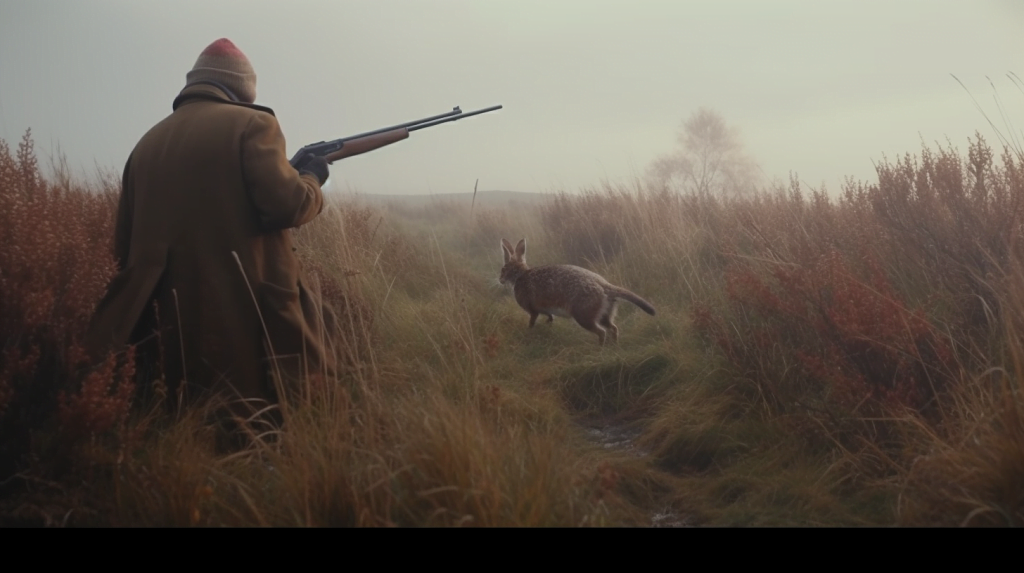
Wild hare shooting usually refers to a moving-target clay or range practice format that simulates a fast, low, unpredictable target path. Treat it as a safety-first shooting exercise, not an excuse to rush, swing past people, or ignore range commands.
This guide explains what to expect, how to approach moving-target practice safely, and what beginners should check before stepping onto a course or range.
Table of Contents
Quick Answer
Wild hare shooting is a moving-target practice style where the target travels quickly and often low across the shooter’s view. The goal is controlled target tracking, safe muzzle direction, and disciplined trigger timing. Beginners should practice only at a controlled range or supervised course with clear commands and safe backstops.
The most important rule is simple: if the target path, muzzle direction, backstop, or people nearby are not clearly safe, do not shoot.
What Wild Hare Shooting Means
In many shooting contexts, a “hare” target describes a clay target that moves along the ground or low across the course to mimic a fast, crossing animal. The target may bounce, skip, or change speed depending on terrain and trap setup.
That movement can help shooters practice tracking, follow-through, and timing. It also adds risk if shooters swing too far, move too quickly, or forget where other people and safe zones are located.
Safety Rules Come First
Moving-target practice does not change the basic firearm safety rules. Keep the muzzle pointed in a safe direction, keep your finger off the trigger until ready to shoot, treat every firearm as loaded, and know your target and what is beyond it.
The National Shooting Sports Foundation explains the fundamental rules of firearm safety. Those rules matter even more when the target is moving and the shooter is tempted to rush.
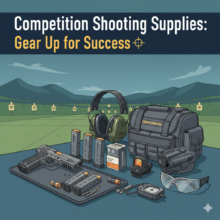
Eye and ear protection should be worn by shooters and nearby participants. The CDC’s NIOSH program notes that hazardous noise can damage hearing, so hearing protection should be treated as basic range equipment.
Range Commands and Target Setup
Only shoot wild hare targets in a place designed for them. A safe setup needs clear shooting positions, controlled target paths, safe shot angles, known backstops, and a range officer or experienced lead who can stop the line when needed.
Follow commands exactly. Do not load early, do not turn with a loaded firearm, and do not step forward to check targets or equipment until the range is cold and the person in charge gives permission.
Beginner Practice Tips
Start slowly. Watch several target throws before shooting so you understand the line, bounce, and safe shot window. Keep your stance balanced, mount the gun smoothly, track the target with control, and stop the swing if the muzzle would leave the safe zone.
Do not chase every target. Passing an unsafe shot is part of good shooting. New shooters should work with an instructor or experienced range officer until the movement pattern and safety boundaries feel clear.
Common Mistakes to Avoid
- Swinging past the safe shooting zone.
- Loading before the range command allows it.
- Turning around with a loaded firearm.
- Shooting at a low target when the backstop or shot angle is unclear.
- Focusing on speed instead of muzzle control.
- Skipping eye and ear protection.
- Practicing on private land without a safe course design or legal permission.
Pre-Range Checklist
- Use only a legal, controlled range or safe supervised course.
- Confirm the target path, shot angle, and backstop before shooting.
- Wear eye and ear protection.
- Understand all range commands before loading.
- Keep the muzzle in the safe zone through the entire swing.
- Pass any shot that feels rushed, low, unclear, or unsafe.
- Ask for coaching before increasing speed or difficulty.
FAQ
What is wild hare shooting?
It is a moving-target shooting format where a clay target travels quickly and often low across the course. It is usually practiced on a controlled range or sporting clays setup.
Is wild hare shooting beginner-friendly?
It can be with supervision, but beginners should start slowly and focus on muzzle control, range commands, and safe shot windows before worrying about hits.
Can I practice wild hare targets on private land?
Only if it is legal, permitted by the landowner, and set up with safe backstops, safe shooting angles, and no risk to people, roads, buildings, livestock, or neighboring property. A managed range is usually safer.
What safety gear do I need?
Use eye protection, hearing protection, and range-appropriate clothing. Follow the range’s firearm and ammunition rules.
What is the biggest mistake with moving targets?
The biggest mistake is chasing the target with the muzzle after the safe shot window has passed. Stop the swing and pass the shot if the angle is not safe.