Concealed Carry Holster for Everyday Use: Safety, Fit, and Comfort
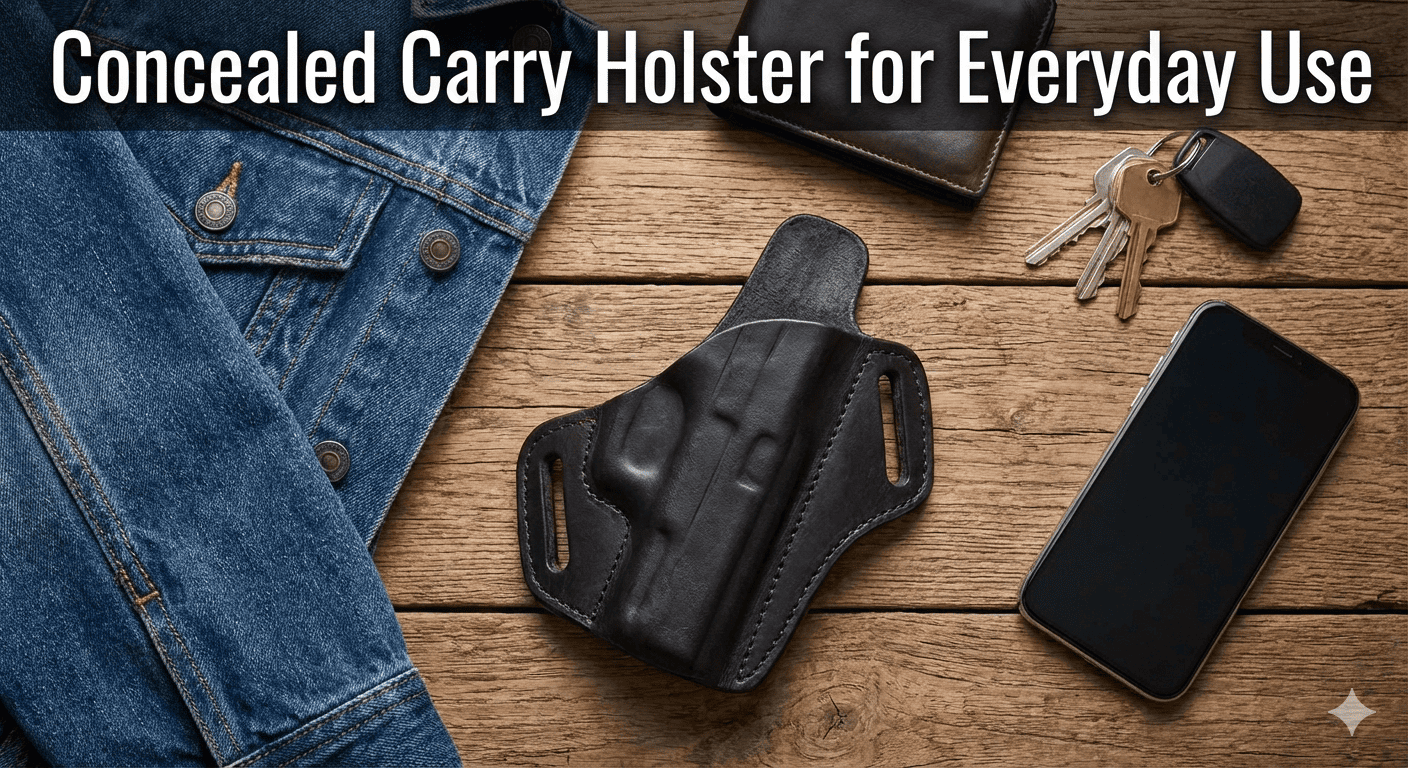
A concealed carry holster for everyday use should do three jobs before anything else: cover the trigger, hold the handgun securely, and let you carry without constantly adjusting the gun. Comfort matters, but comfort should never come at the cost of safe retention or a clean, controlled draw.
Table of contents
This guide is about holster selection and safe carry habits, not legal advice. Carry laws, permit rules, restricted places, vehicle rules, and training requirements can change by state and locality. Before carrying, check your current state and local rules, and get qualified instruction for your firearm, holster, and carry position.
Table of Contents
Quick Answer
For everyday concealed carry, choose a holster made for your exact handgun and carry position. It should fully cover the trigger guard, keep the gun stable during normal movement, support a repeatable grip before the draw, and work with a sturdy belt or carry system.
If a holster collapses into the trigger guard, shifts during walking, lets the gun tip away from your body, or forces you to point the muzzle somewhere unsafe during draw or reholster practice, it is not a good everyday choice.
Holster Safety Basics
A holster is safety gear. It is not just a pouch. The design should help you carry the firearm in a stable position while reducing the chance of accidental trigger contact.
Start with the basic firearm safety rules. The NSSF firearm safety rules are a strong public reference. For legal and administrative questions, use official state government sources; USA.gov’s state government directory can help readers find the right agency instead of relying on old forum posts.
Trigger guard coverage
The trigger guard should be covered when the firearm is seated. Fabric, drawstrings, loose clothing, or a finger should not be able to enter the trigger area while the gun is holstered.
Retention and stability
The holster should hold the firearm during normal walking, sitting, bending, and careful daily movement. Retention does not mean the gun is hard to draw; it means the gun stays where it belongs until you intentionally draw it.
Safe reholstering
Reholstering is a slow, deliberate action. Clothing should be cleared, the holster mouth should stay open, and the shooter should not rush. Many negligent discharges happen when people treat reholstering as part of the draw speed drill.
Common Concealed Carry Positions
The right carry position depends on body shape, handgun size, clothing, training, mobility, and local rules. A position that works for one person may be uncomfortable or unsafe for another.
Inside-the-waistband carry
Inside-the-waistband holsters are common because they conceal well under normal clothing. The tradeoff is that belt tension, ride height, and wedge or claw setup can make a big difference in comfort.
Appendix carry
Appendix carry can be fast and concealable, but it demands careful holster fit, careful muzzle awareness, and disciplined reholstering. It is not a shortcut for training. If you choose it, get instruction from a qualified trainer and practice with an unloaded firearm before live carry.
Strong-side hip carry
Strong-side carry is familiar to many shooters and can work well with a proper belt and cover garment. It may print more with some body types, especially when bending or reaching.
Pocket, ankle, and off-body carry
Pocket and ankle carry can fit specific situations, but the holster still needs trigger coverage and retention. Off-body carry adds extra access-control concerns because the firearm is not attached to your body. If you use a bag, it should stay under your control.
Holster Materials and Retention
Holster material affects comfort, draw feel, durability, and how well the holster keeps its shape. No material is perfect for every person, so judge the finished holster design instead of buying by material name alone.
Kydex and molded polymer
Molded holsters are popular because they can click around the firearm and keep the mouth open for reholstering. Check fit with your exact firearm model, light, optic, or accessory setup.
Leather holsters
Leather can be comfortable and durable, but it should not collapse into the trigger guard or become too soft with age. Inspect it often and replace it when it no longer holds the firearm correctly.
Hybrid holsters
Hybrid designs may combine a rigid shell with a softer backing. They can improve comfort, but the backing should not fold into the trigger area or change the draw angle under belt pressure.
Comfort and Concealment
A holster that is miserable to wear may be left at home. A holster that is comfortable but unsafe is not the answer either. The goal is a setup you can carry responsibly, check consistently, and train with.
Belt support matters
A weak belt can make even a good holster flop, sag, or print. A dedicated carry belt spreads weight and keeps the draw angle more consistent. If you are comparing belt options, see our holster belt guide and verify product details before buying.
Printing is not the only concern
Concealment matters, but a setup should also allow safe movement, safe access, and responsible storage when you cannot carry. Do not chase deep concealment so far that the draw becomes unsafe or the firearm is hard to secure.
Training and Daily Checks
A holster should be tested with safe dry practice before daily carry. Use an unloaded firearm, remove live ammunition from the room, and follow safe handling rules. Formal instruction is the better path if you are new to concealed carry.
Practice the draw safely
Work slowly at first. Build a clean grip, clear the cover garment, draw without sweeping your body, and reholster only after checking that clothing is clear. Speed comes after safe movement, not before it.
Inspect the holster often
Check screws, clips, belt loops, retention hardware, cracks, sweat damage, and loose fabric. A worn holster can create problems that were not present when it was new.
Use training resources
For related basics, read our guides on gun safety course benefits and how to grip a handgun correctly. They pair well with holster practice because safe carry depends on both equipment and handling habits.
Buying Checklist
Before buying, compare the holster against the firearm you actually carry, not a similar-looking model. Small changes in slide length, optics, lights, trigger guard shape, or safety levers can change fit.
- Exact firearm fit: model, generation, light, optic, and controls should match the holster.
- Trigger coverage: no gap should allow contact with the trigger while holstered.
- Retention: the gun should stay seated during normal movement.
- Draw access: you should be able to get a full firing grip before the gun leaves the holster.
- Reholster safety: the holster mouth should stay open and clear.
- Belt attachment: clips, loops, or wings should fit your belt width and carry style.
- Local compliance: check carry rules, prohibited places, vehicle rules, and permit requirements in your location.
FAQ
What is the safest concealed carry holster?
The safest choice is a holster that fits your exact firearm, fully covers the trigger guard, holds the gun securely, and supports a safe draw and reholster with your body type and carry position.
Is appendix carry safe?
Appendix carry can be used responsibly, but it requires careful gear selection, muzzle awareness, and slow reholstering. Get qualified instruction before relying on it for daily carry.
Should a concealed carry holster have active retention?
It depends on your carry style, training, and environment. Many concealed holsters use passive retention. If you choose active retention, practice until the release motion is safe and consistent.
Can I use one holster for several handguns?
Usually, a model-specific holster is safer. Universal holsters can leave gaps, shift during movement, or fail to support a clean draw. Verify fit before carrying.
Do concealed carry rules change by state?
Yes. Carry rules, permit requirements, restricted places, and reciprocity can change by state and locality. Check current official sources before carrying, especially when traveling.
Bottom Line
A good everyday concealed carry holster is secure, safe around the trigger, comfortable enough to wear, and matched to your exact firearm. Choose the holster as part of a full carry system: belt, clothing, training, storage, and current legal checks all matter.