Modern Predator Hunting: Calls, Optics, Wind, Safety, and Regulations
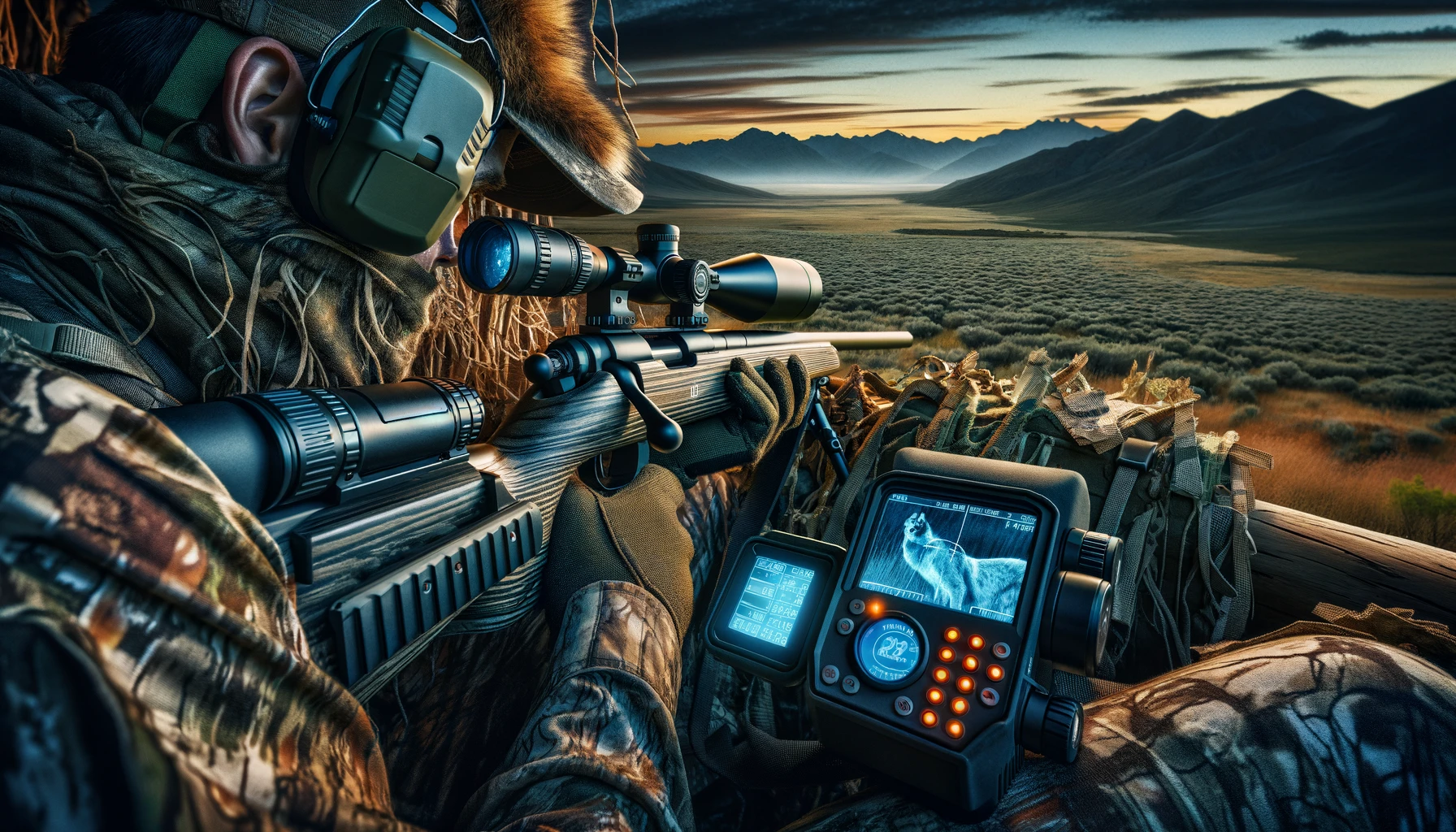
Modern predator hunting has changed because hunters now have better optics, mapping tools, electronic calls, wind-checking habits, and access to more scouting information. Those tools can help, but they do not replace safety, legal compliance, calling discipline, and an understanding of predator behavior.
This guide explains the main innovations and strategies shaping predator hunting today. Regulations for night hunting, electronic calls, thermal optics, suppressors, lights, seasons, and species vary by location, so always verify current rules before using any method or device.
Table of contents
Quick Answer
Predator hunting has been modernized by electronic calls, better optics, thermal and night-vision tools where legal, digital mapping, trail cameras where legal, and more disciplined setup planning. The best hunters use those tools to support the basics: wind, concealment, safe shooting lanes, legal methods, realistic calling, and patience.
The biggest mistake is treating technology as a shortcut. A caller, optic, or map app helps only when the hunter understands the animal, the property, the wind, and the law.
Technology Changed The Hunt
Technology has made predator hunting more information-driven. Hunters can study terrain before walking in, mark likely travel routes, confirm wind direction, identify distant movement, and adjust calling sequences more carefully. That can reduce wasted sits and improve safety.
Technology also adds responsibility. Batteries fail, settings get misread, and legal restrictions can change. A modern setup should include backups, good judgment, and enough field knowledge to keep hunting safely if a device stops working.
Electronic Calls And Sound Strategy
Electronic calls can play prey distress, howls, pup sounds, and other predator vocalizations with consistent volume and placement. They also let the hunter place sound away from the shooting position, which can help pull attention away from the hunter.
Calling strategy still matters. Volume, sound choice, sequence length, and silence can all affect a stand. Overcalling can educate predators, especially in pressured areas. Start with realistic volume, watch the wind, and be ready before the first sound plays.
Optics, Thermal, And Night Hunting Tools
Better optics help hunters identify animals, read terrain, and make safer decisions. Thermal and night-vision tools can be useful where legal, especially for detecting movement in low light, but legality varies widely by state, species, season, and equipment type.
Never use an optic as a substitute for positive identification and a safe background. For broader safe hunting principles, review Hunter Ed guidance and your current state wildlife agency rules before using any night hunting technology.
Mapping And Scouting
Digital maps help hunters plan access, identify fields, creek bottoms, ridges, brushy edges, livestock areas, property boundaries, and safe shooting directions. Good map work can also help avoid disturbing the area before a stand.
Scouting should confirm what maps suggest. Tracks, scat, game trails, denning cover, prey sign, and repeated sightings can all shape stand choice. For field-sign basics, see our guide to tracking animals and reading signs.
Wind, Setup, And Access
Predators often try to use wind before committing to a sound. A good setup considers where the animal may approach, where it may circle, and where your scent will travel. The wrong wind can ruin even the best caller and optic setup.
Access matters too. Park out of sight when possible, avoid slamming doors, keep lights controlled, and move quietly into position. Choose a setup with visibility, cover, safe shooting lanes, and a realistic downwind plan.
Predator Behavior Still Matters
Coyotes, foxes, bobcats, and other predators do not all respond the same way. Time of year, breeding behavior, food availability, weather, pressure, and local prey can change how they move and respond to calls.
Keep notes on each stand: wind, time, temperature, sounds used, response direction, and what happened. Over time, those notes can teach more than any single gadget.
Stand Timing And Patience
Modern tools can make hunters impatient because they create the feeling that every stand should produce quickly. Predator response time varies by terrain, pressure, sound choice, weather, and how far an animal has to travel. Some stands need more quiet waiting than new hunters expect.
Plan each stand before starting the call. Know where you expect an animal to appear, where it may circle, and when you will stop calling. Leaving too soon, standing up too quickly, or walking out carelessly can ruin an otherwise good setup.
Pre-Hunt Gear Check
Predator hunts often depend on small pieces of gear working correctly. Check caller batteries, remote range, optic settings, light or thermal power, tripods, shooting sticks, maps, and clothing noise before the first stand.
Keep the setup simple enough to run quietly in the dark or cold. The more equipment you carry, the more important organization becomes. A tangled pack, dead battery, or forgotten regulation check can cost more than a missed opportunity.
Ethics, Regulations, And Safety
Modern predator hunting can involve technology that is legal in one area and restricted in another. Before hunting, check current rules for electronic calls, artificial light, thermal optics, night vision, suppressors, magazine limits, public-land restrictions, season dates, and required licenses or permits.
Ethical hunting also means knowing your target, knowing what is beyond it, avoiding unsafe shots, respecting property boundaries, and recovering animals responsibly. Modern tools should make those decisions clearer, not looser.
Predator Management Context
Predator management is complex and should be understood through local wildlife context. In some places, predator hunting is part of regulated wildlife management. In others, populations, seasons, and methods are handled differently. Local wildlife agencies are the authority for current management goals and regulations.
A responsible hunter avoids broad claims and follows the rules for the specific place and species. The best approach is to combine legal compliance, ethical shot selection, and respect for the ecosystem.
Modern Predator Hunting Checklist
Legal Method Check
Confirm current rules for calls, lights, optics, night hunting, season dates, public land, and species.
Wind And Downwind Plan
Know where your scent goes and where a predator may try to circle.
Safe Shooting Lanes
Choose a setup with clear identification, safe background, and legal shooting direction.
Battery And Backup Plan
Check caller, optic, light, phone, and map batteries before leaving.
Common Mistakes
Assuming Technology Is Legal
Electronic calls, lights, thermal tools, and night hunting rules vary. Check first.
Ignoring The Wind
A predator that catches your scent may leave before you ever see it.
Overcalling Pressured Areas
Too much sound can make predators cautious, especially where many hunters use the same calls.
Poor Target Identification
Never shoot at movement, eyes, or heat alone. Positive identification and a safe background are required.
FAQ
Are electronic calls legal for predator hunting?
It depends on the state, species, season, and land type. Check current wildlife agency regulations before using an electronic call.
Can you use thermal optics for predator hunting?
Some places allow thermal optics for certain predator hunts, while others restrict them. Verify current local rules before using thermal or night-vision equipment.
What is the best call for predators?
There is no single best call. Prey distress, howls, and other sounds can work depending on species, season, pressure, and local behavior.
What should beginners focus on first?
Beginners should focus on safety, regulations, wind, access, positive identification, and simple calling setups before relying on advanced technology.
Final Takeaway
Modern predator hunting is more effective when technology supports strong fundamentals. Use calls, optics, maps, and scouting tools carefully, but keep safety, legality, wind, identification, and ethical judgment at the center of every stand.
Related reading: rifle scope magnification guide and spotting scope vs binoculars guide.
Related Predator Hunting Guides
- bowhunting for predators
- coyote hunting with dogs
- coyote trapping readiness
- how to hunt fox ethically
- fox hunting with dogs