Coyote Hunting with Dogs: Rules, Dog Safety, and Field Checklist
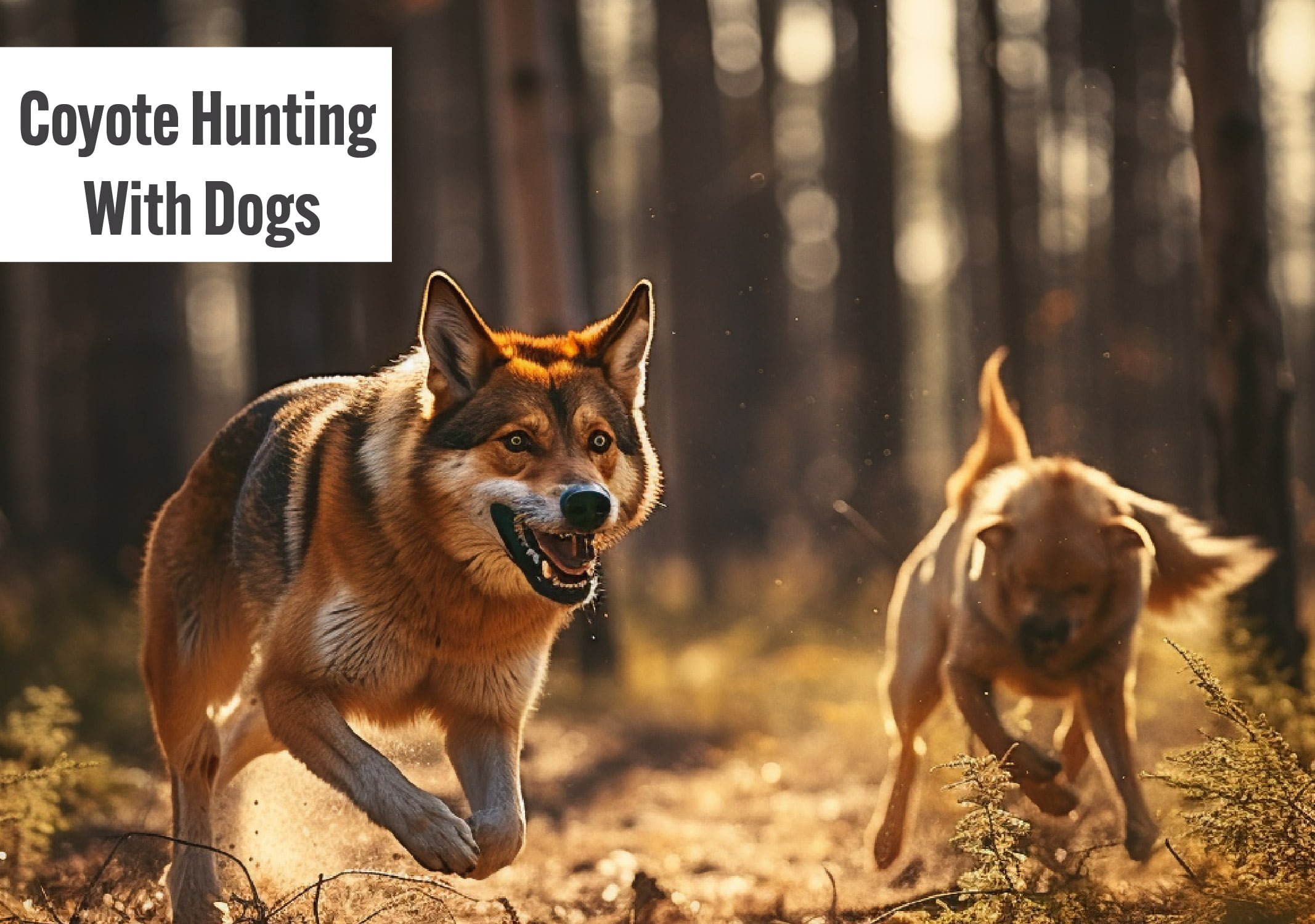
Coyote hunting with dogs should start with three checks: current state rules, landowner permission, and dog safety. Laws, methods, seasons, night rules, transport rules, and dog-use restrictions can vary by state, county, public land unit, and private property.
This guide is not a tactics manual. It is a safety and planning checklist for hunters who need to verify rules, protect their dogs, respect landowners, and avoid unsafe shots or poor decisions in the field.
Table of Contents
Quick Check
If you plan to hunt coyotes with dogs, verify the legal method first and treat the dog as a working partner, not disposable gear.
- Rules: Check state wildlife rules, public-land rules, local ordinances, and night-hunting limits.
- Permission: Get clear private-land permission before dogs enter a property.
- Dog health: Watch heat, cold, paw injury, dehydration, exhaustion, and predator contact risk.
- Control: Use only dogs that can be recalled, handled, and tracked safely.
- Shots: Never shoot unless the target, dog location, background, and land boundary are clear.
Check Rules Before Using Dogs
Dog use can be legal in one place and restricted in another, even when general coyote hunting is allowed.
Before planning a hunt, check your state wildlife agency, current regulation booklet, public-land unit rules, and local ordinances. Look specifically for rules on dogs, electronic tracking, radio collars, night hunting, artificial lights, calls, vehicles, road access, firearms, seasons, fur-bearer rules, nuisance wildlife rules, and reporting.
Do not assume predator rules are simple because coyotes are common in many areas. Public lands, refuges, parks, timber leases, and private properties can add separate restrictions. If a rule is unclear, contact the agency or land manager before hunting.
Dog Safety Comes First
A dog should be physically ready, conditioned, and protected before any coyote-related field work.
Heat is one of the easiest risks to underestimate. The AKC guide to heatstroke in dogs explains warning signs and why fast action matters. The AVMA warm-weather pet safety guidance is also useful for planning water, shade, rest, and travel conditions.
- Bring more water than you think the dog will need.
- Check paws before, during, and after the hunt.
- Stop for heavy panting, stumbling, confusion, vomiting, weakness, or refusal to continue.
- Use a first-aid kit that includes dog-specific supplies.
- Keep veterinary contact information available before leaving home.
- Do not run an unconditioned dog hard just because the weather feels comfortable to you.
Land Access And Neighbor Issues
Dogs can cross lines faster than hunters can, so access planning needs to be strict.
Confirm property boundaries, neighboring houses, livestock areas, roads, trails, and posted land before any hunt. A dog crossing onto a neighboring property can create conflict, safety risk, or legal trouble. If the hunt is near livestock, pets, houses, or roads, choose a different setup or do not hunt that area.
Private-land permission should include dog use, vehicle access, parking, recovery permission, and what to do if a dog crosses a boundary. Public-land access should be checked against the land manager’s current rules.
Field Control And Communication
Control matters more than excitement.
Only use dogs that respond to handling under stress. Know how the dog behaves around livestock, other dogs, roads, gunfire, snow, heat, water, fences, and rough cover. Tracking collars and radios may help, but they are not a substitute for training, judgment, and legal compliance.
If multiple hunters are present, agree on zones of fire, dog locations, no-shoot directions, emergency signals, and recovery plans before anyone loads a firearm.
Firearm Safety Around Dogs
Dogs add movement and uncertainty, so firearm discipline must be stricter, not looser.
Review the NSSF firearm safety rules before the hunt. Know your target and what is beyond it, keep the muzzle pointed in a safe direction, and keep your finger off the trigger until the shot is safe and lawful.
- Do not shoot if a dog is near the target line or background.
- Do not shoot into brush, dust, snow, or movement you cannot identify.
- Do not swing through another hunter, road, house, livestock area, or dog location.
- Unload when crossing fences, entering vehicles, or handling dogs closely.
- Stop the hunt if communication breaks down.
What To Avoid
Most bad outcomes start with rushed assumptions.
- Do not use dog-based coyote advice without checking current local rules.
- Do not hunt near roads, homes, livestock, or pets where dog movement cannot be controlled.
- Do not run dogs in unsafe heat, deep cold, poor visibility, or unfamiliar hazardous terrain.
- Do not use untrained dogs around gunfire or other hunters.
- Do not treat predator hunting as permission to ignore land boundaries or neighbor concerns.
- Do not take any shot unless every dog, hunter, and bystander location is known.
FAQ
Is coyote hunting with dogs legal?
It depends on the state, land type, season, method, and local rules. Check the current state wildlife agency rules and the land manager before using dogs.
Can any hunting dog be used for coyote hunting?
No. A dog needs training, recall, conditioning, tracking or handling support, and the right temperament. An unprepared dog can be injured, lost, or create unsafe situations.
What is the biggest safety risk with dogs in the field?
The biggest risks are poor control, unclear dog location, unsafe shooting angles, heat stress, traffic, livestock conflict, and crossing onto land where permission is not clear.
Should I use dogs near private property lines?
Only if permission and recovery rules are clear. If a dog may cross a boundary into a road, livestock area, home site, or neighboring property, choose a safer location.
Why does this page avoid coyote hunting tactics?
Because dog welfare, legal access, firearm safety, and property boundaries matter more than generic tactics. A useful article should help hunters avoid unsafe and unlawful decisions.
Final Check
Before hunting coyotes with dogs, write down the rule source, permission details, dog safety plan, dog-control plan, emergency contact, and no-shoot zones. If any part is uncertain, do not hunt until it is clear.