Matrix Buyer Checklist: Source, Fit, Safety, and Support
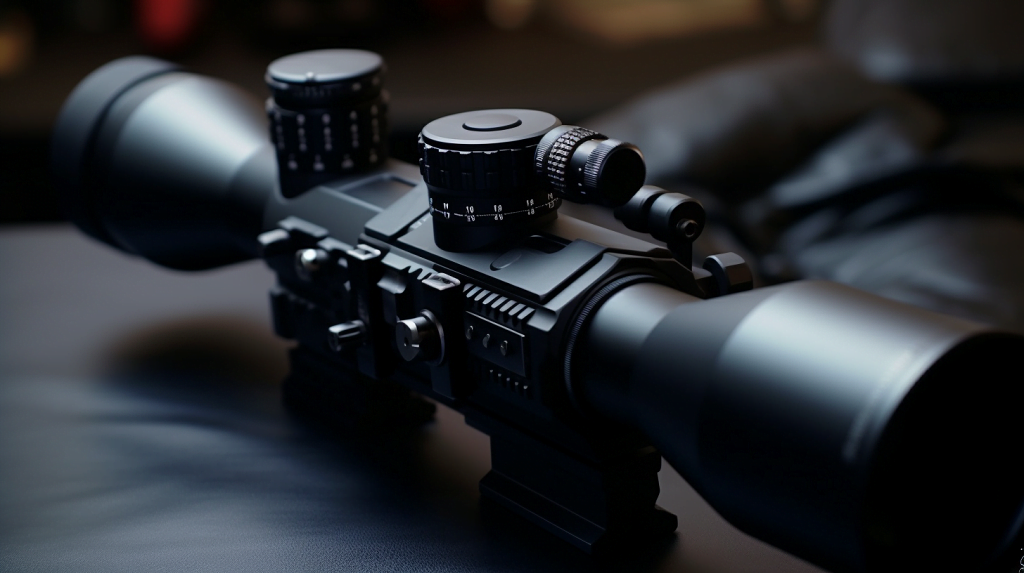
This Matrix buyer checklist is for readers who find an older firearm-parts or accessory page and need a safer way to verify whether a product, seller, and setup still make sense. Brand pages can become stale quickly, so product claims, availability, fit, warranty terms, and compatibility should be checked at the source before buying.
This article is not a product endorsement, build guide, or gunsmithing manual. Use it as a pre-purchase checklist for safety, fit, documentation, and return-risk questions.
Table of Contents
Quick Check
Before buying any firearm part, accessory, mount, frame, or small component from an older article, confirm the current product page, exact model fit, safe-use documentation, seller reputation, and return path.
- Current listing: Check whether the product still exists and whether the model name changed.
- Exact fit: Confirm firearm model, generation, caliber, handedness, mounting pattern, and included hardware.
- Safety: Read the firearm manual and product instructions before installation or use.
- Support: Check warranty, return policy, replacement parts, and customer-service contact options.
- Legal fit: Confirm the part is lawful where you live and where you plan to use it.
Verify The Current Source
Start with the current official product page or the seller page you plan to use, not an old blog description.
Look for the exact product name, SKU, material, intended firearm model, included parts, installation notes, warning labels, and return terms. If the product page is missing those details, contact the seller before buying. Do not assume that an image, old title, or archived description still matches the current item.
Also check whether the seller is authorized to sell the product. For regulated firearm-related items, verify shipping restrictions and transfer requirements before checkout.
Fit And Compatibility Questions
Compatibility is where many firearm accessory purchases go wrong.
- Does the part match the exact firearm make, model, and generation?
- Does it require a specific mounting pattern, rail type, screw size, or torque value?
- Does it affect holster fit, optic height, iron sight use, sling position, or magazine function?
- Does installation require fitting by a qualified gunsmith?
- Could the part affect reliability, safe handling, or warranty coverage?
- Does the seller provide clear installation instructions and safety warnings?
If you cannot answer those questions from current documentation, pause the purchase. Guessing on firearm fit can waste money and create safety problems.
Safety Checks Before Use
Any firearm-related part should be treated as a safety decision, not just a gear purchase.
Review the NSSF firearm safety rules before handling or testing a firearm. Keep the muzzle pointed in a safe direction, keep your finger off the trigger until ready to fire, and know your target and what is beyond it.
If a part changes handling, controls, sight height, sling position, trigger reach, grip angle, magazine fit, or optic setup, test it only in a safe and lawful environment. The broader NSSF safety page is a useful place to reinforce basic handling habits before live-fire use.
Warranty, Returns, And Support
Warranty and support details matter because firearm parts are often model-specific.
Before ordering, check whether opened or installed items can be returned, who pays return shipping, whether hardware is included, whether the seller supports fit questions, and whether installation by a gunsmith affects warranty coverage. Save receipts, product pages, emails, and installation instructions.
If the product is discontinued, out of stock, or hard to support, consider whether another current option would be easier to maintain.
What To Avoid
A cautious buyer avoids stale claims and unclear fit.
- Do not buy from an old article without checking the current product listing.
- Do not rely on generic fit language when your firearm has model or generation differences.
- Do not install parts if the instructions are unclear or the work requires a qualified gunsmith.
- Do not ignore state, local, range, or competition rules.
- Do not assume a promotional claim proves reliability or safety.
- Do not use a firearm after a part change until it has been checked safely.
FAQ
How should I verify an older firearm accessory recommendation?
Check the current product page, exact model fit, included hardware, seller status, warranty, return terms, and any safety warnings before buying.
Should I install firearm parts myself?
Only handle work that the manufacturer clearly supports for the user. If the part requires fitting, tuning, or safety checks beyond your skill, use a qualified gunsmith.
What if the product page has changed since the article was written?
Treat the current source as more important than the old article. If the model, specs, or compatibility are unclear, contact the seller or choose a better-documented option.
Are firearm parts legal everywhere?
No. Rules can vary by item, firearm type, state, locality, and use case. Check current law and range or match rules before buying or using any part.
Why does this page avoid product hype?
Because older brand pages can become outdated. A useful page should help readers verify current facts instead of repeating unsourced claims.
Final Check
Before buying any firearm-related part from an older recommendation, write down the current source, exact fit, safety instructions, return terms, and legal or range-rule checks. If any answer is missing, slow down before spending money.