Lightweight Hunting Gear: Build a Safer, More Mobile Setup
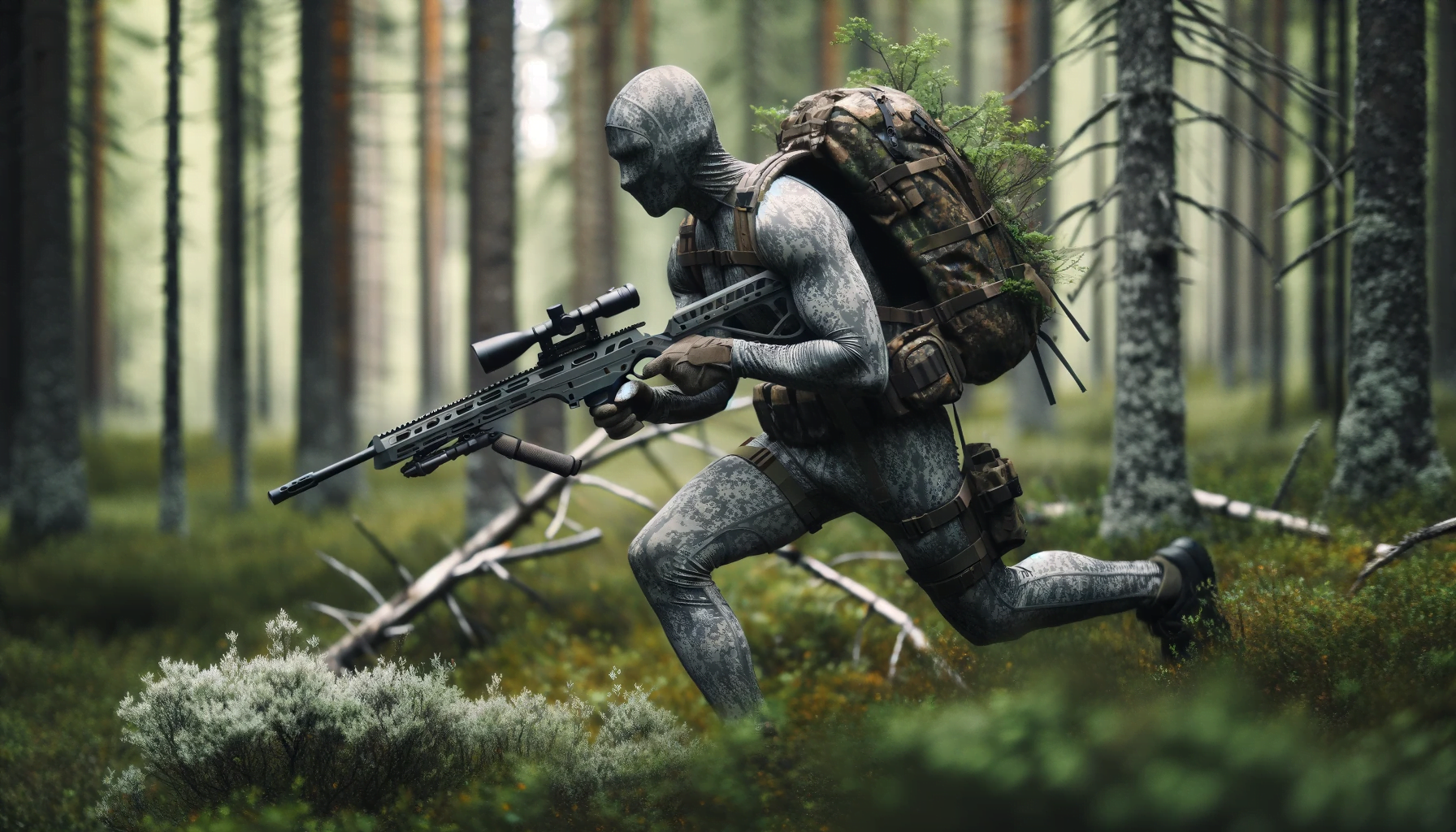
Lightweight hunting gear can help you move farther, stay quieter, and hunt longer without feeling overloaded. The goal is not to carry the least possible gear. The goal is to carry the right gear for the hunt, with enough safety, comfort, and performance to make good field decisions.
This guide explains how to build a lighter hunting setup without cutting essential items. It focuses on mobility, safety, pack organization, clothing, boots, optics, hydration, and field testing.
Table of contents
Quick Answer
The best lightweight hunting gear setup removes unnecessary bulk while keeping safety, warmth, water, navigation, legal visibility, and recovery tools covered. Start by reducing pack clutter, choosing clothing layers that match the weather, wearing boots that fit the terrain, and testing everything before the hunt.
A lighter setup should help you hunt better, not make the hunt riskier. If removing an item creates a safety problem or makes recovery harder, it probably belongs in the pack.
Why Lightweight Gear Matters
Weight affects movement. A heavy pack can make climbs slower, increase sweat, create noise, and make you less willing to scout or adjust. Lightweight gear can improve mobility and help you stay focused longer, especially on public land, mountain hunts, spot-and-stalk setups, and long walks to remote stands.
Lightweight does not always mean ultralight. A durable item that weighs a little more may be better than a fragile item that fails in bad weather. Think in terms of useful weight: every item should earn its place.
Do Not Cut Safety Gear
The first rule of going lighter is to keep the safety basics. Navigation, lighting, communication, weather protection, first aid basics, water, and required visibility should stay in the plan. Treestand hunters also need appropriate fall protection and should follow the stand manufacturer’s instructions.
Use the Hunter Ed safety resources as a reminder that responsible hunting starts with preparation. If a lighter setup makes it harder to stay safe, visible, legal, or oriented, it is too light.
Start With Pack Weight
Pack weight usually hides in small items: extra knives, unused calls, duplicate lights, too much food, bulky packaging, and gear carried out of habit. Empty your pack after a hunt and sort items into used, not used, and emergency-only categories.
Keep emergency essentials, but remove true clutter. Pack the heaviest items close to your back, keep frequently used gear easy to reach, and avoid loose items that rattle. For a practical baseline, compare your setup with our day hunting field checklist.
Choose Layers That Work Hard
Good clothing can reduce both weight and discomfort. A breathable base layer, useful insulation, and weather-resistant outer layer can do more than several bulky pieces that do not work together. Avoid cotton in wet or cold conditions because it can hold moisture and chill you.
Choose layers for the activity level. A still sit needs warmth. A long hike needs breathability. A mixed hunt may need a quiet outer layer and a packable insulation piece that goes on only after you stop moving.
Boots And Mobility
Boots affect mobility more than many hunters realize. Heavy boots can wear you down on long walks, while boots that are too light may lack support, insulation, or protection. Match boot weight to terrain, weather, distance, and pack load.
Fit matters more than the spec sheet. Break boots in before the hunt, test socks, and check how they handle mud, rocks, climbs, and cold ground. A lighter boot that causes blisters is not a lightweight advantage.
Lightweight Optics And Accessories
Optics can be worth their weight if they help you identify animals, study terrain, and avoid unnecessary movement. A compact binocular or rangefinder can make sense, but clarity, durability, and usability still matter.
Carry optics in a quiet, secure way. Bouncing straps, loose cases, and hard plastic buckles can create noise. If the item helps you make better decisions and you actually use it, it may deserve space in the lightweight setup.
Hydration And Food Without Bulk
Water is heavy, but dehydration can end a hunt or lead to poor decisions. Carry enough for the weather and distance, and know whether safe water refill options exist. Collapsible bottles or a hydration bladder can reduce bulk as you drink.
Food should be simple, quiet, and calorie-dense. Repack noisy wrappers when appropriate, avoid carrying too much, and bring enough to stay sharp if the hunt runs long.
Use Multi-Purpose Gear Carefully
Multi-purpose gear can reduce weight, but only if it performs each job well enough. A small tool, headlamp, knife, or clothing layer that covers multiple needs can be useful. A compromise item that does everything poorly can create frustration.
Do not combine critical backups without thinking. For example, relying only on a phone for navigation, lighting, communication, and notes can become a problem if the battery dies. Redundancy still matters for key safety functions.
Test The Setup Before The Hunt
Test a lightweight setup on a short scout, range session, or half-day hunt before trusting it on an important trip. Walk with the loaded pack, climb where appropriate, check noise, confirm warmth, and make sure every essential item is easy to find.
After the test, remove what you did not need and add what you missed. That feedback loop is how a hunting kit becomes lighter without becoming careless.
Lightweight Gear Checklist
Essential Items Covered
Safety, water, navigation, light, weather protection, and required visibility stay in the kit.
Quiet Movement
Check fabric, buckles, straps, wrappers, and loose tools for noise.
Fit And Comfort
Boots, pack, layers, and weapon setup should be comfortable after real movement.
Field Tested
Do not rely on a new lightweight setup without testing it before the hunt.
Common Mistakes
Cutting Safety Items First
Removing safety essentials is not smart weight savings. Cut clutter before cutting protection.
Choosing Fragile Gear
Light gear still needs to survive brush, weather, packing, and repeated use.
Using Untested Gear
New gear can rub, rattle, leak, fail, or feel awkward. Find that out before opening morning.
Still Overpacking
Buying lightweight gear does not help much if you keep carrying too many unnecessary items.
FAQ
Is lightweight hunting gear worth it?
It can be worth it when it improves mobility, comfort, and focus without reducing safety or durability. It is less useful if it is fragile, noisy, or untested.
What should I lighten first?
Start with pack clutter, then look at boots, clothing layers, and pack fit. Do not remove safety basics just to save weight.
Is lightweight gear always expensive?
No. Some of the best savings come from carrying fewer unnecessary items. Expensive lightweight gear may help in demanding conditions, but smart packing costs nothing.
Can lightweight gear work in cold weather?
Yes, if the layering system is warm enough for the activity and conditions. Cold still-hunts and treestand sits require more insulation than active walking hunts.
Final Takeaway
Lightweight and agile hunting gear should make you safer, quieter, and more mobile. Keep the essentials, cut clutter, choose durable items, test everything before the hunt, and build a kit that fits your terrain, weather, and hunting style.
Related reading: hunting license requirements and hunting safety tips.