Late-Season Duck Calling: Quiet Calling, Pressure, Weather, and Safer Hunts
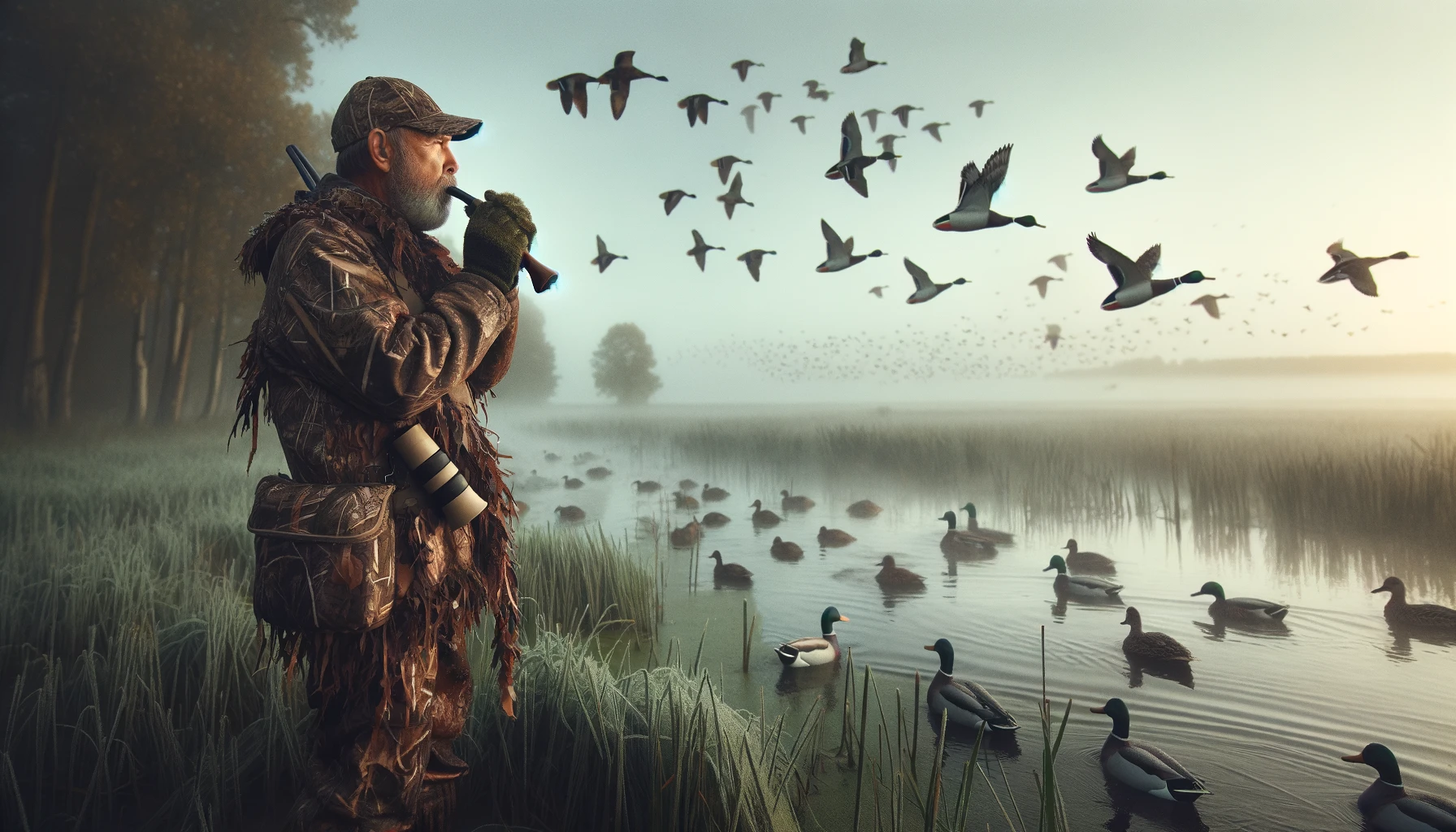
Late-season duck calling should be quieter, slower, and more believable than early-season calling. By the end of the season, many ducks have heard loud hail calls, seen obvious spreads, and survived pressure. Use the call to finish birds that already want the area, not to force every flock in the sky to turn.
Table of contents
Quick Late-Season Calling Plan
Start soft. Watch how the birds react. If a flock is locked, let it work. If ducks slide off the edge, use a few clean quacks or a short comeback call, then stop. The best late-season calling usually sounds like relaxed ducks on the water, not a contest routine.
Use the call only when it helps
Late-season birds often punish extra sound. If ducks are already dropping, calling can do more harm than good. Save louder notes for birds that are leaving or need a small correction. When they turn back, go quiet and let the spread and hide do the work.
Match the mood of the birds
Calm ducks usually respond to calm sounds. Fast, sharp calling can fit a windy day or a flock that is drifting away, but it should not be the default. Watch wingbeats, head position, and circle height. Those clues tell you whether the call is helping or pushing birds off.
Keep the setup honest
Calling cannot cover a poor hide, shiny faces, moving dogs, or a spread that looks wrong for the wind. Late birds inspect details. Fix the blind, sit still, and keep the spread natural before blaming the call.
Rules, Safety, and Ethics
Waterfowl hunting is rule-heavy, and late-season hunts can involve ice, cold water, boats, dogs, and crowded public areas. Check current federal, flyway, state, and local rules before the hunt. The U.S. Fish and Wildlife Service keeps federal waterfowl information and hunting resources on its Migratory Bird Program hunting page.
Confirm season, species, and limits
Do not rely on memory from last year. Season dates, bag limits, shooting hours, youth days, special goose rules, and public-area restrictions can change. Check the current regulation for the exact state and property you plan to hunt.
Keep identification first
Late-season light can be poor, and mixed flocks can move fast. Identify the bird before shooting. If you are not sure of the species, sex, or legal status, pass. A clean pass is better than a mistake you cannot undo.
Respect other hunters
Public marshes and boat ramps can get tense late in the year. Give other spreads room, avoid skybusting, and do not call at birds clearly working another group. Shared water hunts better when everyone keeps safety and courtesy first.
Read the Ducks Before Calling
Good late-season calling starts with observation. The question is not, “What call should I blow?” It is, “What are these ducks doing right now?”
Locked wings mean stay quiet
If birds are cupped, losing altitude, and holding the line toward the spread, avoid extra sound. A few soft quacks may be enough, but silence is often better. Let them finish without giving them a reason to look harder.
Sliding birds need a small correction
If ducks drift downwind or slide past the edge, try a short comeback call or a few sharper quacks. Stop as soon as they turn. Calling through the turn can make the sound feel unnatural and pull attention to the blind.
High birds may not be callable
Some ducks are traveling, pressured, or headed somewhere else. A loud hail call may get a look, but late-season hunters waste time trying to move birds that do not want the area. Focus on flocks that already show interest.
Control Volume and Timing
Volume is one of the biggest late-season mistakes. Cold, still air can carry sound farther than expected. Wind may require more volume, but that does not mean constant calling.
Start below the birds
Begin softer than you think you need. If birds cannot hear it, you can add volume. If the first notes are too loud and harsh, you cannot take them back. Late birds have heard plenty of loud callers already.
Use pauses
Real ducks do not call nonstop. Add pauses between notes and sequences. A short call followed by silence often sounds more natural than a long string of excited calling.
Let wind set the ceiling
Windy open water may call for stronger notes. Timber, small potholes, flooded fields, and calm mornings usually call for less. Match the place instead of using the same routine everywhere.
Late-Season Calling Sequences
Late-season calling does not need to be complicated. A few clean sounds used at the right time beat a long sequence used at the wrong time.
Soft quacks
Single quacks and short two- or three-note strings are useful when birds are close or already interested. Keep them clean and spaced out. The sound should say there are relaxed ducks here, not that the blind is trying too hard.
Comeback call
Use a comeback call when birds are leaving, sliding, or losing interest. Keep it short. If they turn, stop or soften immediately. The goal is to correct the line, not to call the whole circle.
Feeding chuckle with caution
A feeding chuckle can fit calm ducks on water, but many hunters overuse it. In shallow feeding areas it may help; in pressured places it can sound forced. If birds react poorly, drop it from the next pass.
Decoy Spread and Hide
Late-season ducks judge the whole picture. Calling, decoys, wind, motion, and hide all work together. If one part looks wrong, the call has to work too hard.
Make the spread match the day
Use the wind to create a natural landing pocket. On cold days, ducks may bunch tighter. On pressured public water, a smaller, cleaner spread can look better than a giant spread that every bird has seen all week.
Hide faces and hands
Movement flares late ducks. Keep faces down, hands covered, dog movement controlled, and blind edges brushed in. If birds flare at the same point every pass, the problem may be the hide, not the call.
Use motion carefully
Motion can help in wind or choppy water, but too much movement on calm water can look unnatural. Adjust jerk cords, spinners where legal, and water motion to fit the birds and the rules.
Weather, Pressure, and Location
Late-season ducks respond to weather and pressure as much as sound. Cold fronts, freeze lines, food availability, hunting pressure, and open water all affect where birds want to be.
Cold weather changes priorities
When water freezes, open water, current, springs, and food become more important. Ducks may trade between roosting and feeding areas with less tolerance for strange setups. Keep the hide tight and the calling believable.
Pressure makes birds cautious
Late-season birds may circle wide, look longer, and avoid obvious blinds. If you are hunting public water, calling less and hiding better can be the better adjustment.
Scout more than you call
If birds are not using the area, calling will not fix the hunt. Spend time watching flight lines, loafing areas, feeding spots, and pressure movement. For broader trip planning, see our beginner hunting trip planning guide.
Common Calling Mistakes
The common mistakes are not exotic. Most come from calling too much, calling too loud, or using the same sequence on every flock.
Calling when birds are finishing
When birds are committed, be quiet. Extra notes can make them look for the source and spot movement. Let the birds finish and keep everyone still.
Ignoring the first reaction
The first reaction tells you a lot. If ducks turn toward the sound, it helped. If they lift, slide, or widen, change volume, stop calling, or adjust the next pass.
Using success language instead of field notes
No call makes late-season ducks finish on command. Track what worked: wind, temperature, spread size, hide quality, call volume, species, and pressure. Notes will improve the next hunt more than a louder routine.
Simple Practice Plan
Practice should make your calling cleaner and calmer. Late-season birds do not need every sound you know. They need the right sound at the right time.
Practice soft control
Work on clean low-volume quacks, short greeting notes, and a controlled comeback call. Record yourself from across the yard if possible. Many callers sound harsher than they think.
Practice stopping
Stopping is a skill. Run short sequences and force yourself to pause. In the blind, those pauses help you watch bird reaction instead of filling every second with sound.
Practice with your hunting partners
If more than one person calls, decide who leads. Two callers can sound good when coordinated, but several people calling over each other often sound messy. Keep the sound like one group of ducks, not a contest stage.
Related Guides
If you are building a full waterfowl plan, pair this guide with our duck hunting gear checklist. For field planning, read the first-time hunting guide. If you hunt cold weather, our hunting backpack organization guide can help keep safety gear and layers easy to reach.
FAQ
Should I call less to late-season ducks?
Usually, yes. Late-season ducks have often heard heavy calling. Start softer, call only when birds need direction, and stop when they respond.
What call works best late in duck season?
Clean quacks, short greeting notes, and a controlled comeback call are often more useful than long loud sequences. The best sound depends on the birds’ reaction, weather, and pressure.
Why do ducks flare after I call?
They may be reacting to loud or unnatural calling, but they may also see movement, a poor hide, shine, a bad wind, or an odd decoy spread. Watch where they flare and fix the whole setup.
Are electronic calls legal for duck hunting?
Electronic calls are restricted for many migratory bird hunting situations. Check current federal and state waterfowl regulations before using any electronic calling device.
How do I improve late-season duck calling?
Practice soft control, record your calling, use fewer notes, and watch bird reaction closely. Good late-season calling is more about timing and restraint than volume.