How the Right Hunting Gear Improves Safety, Comfort, and Results
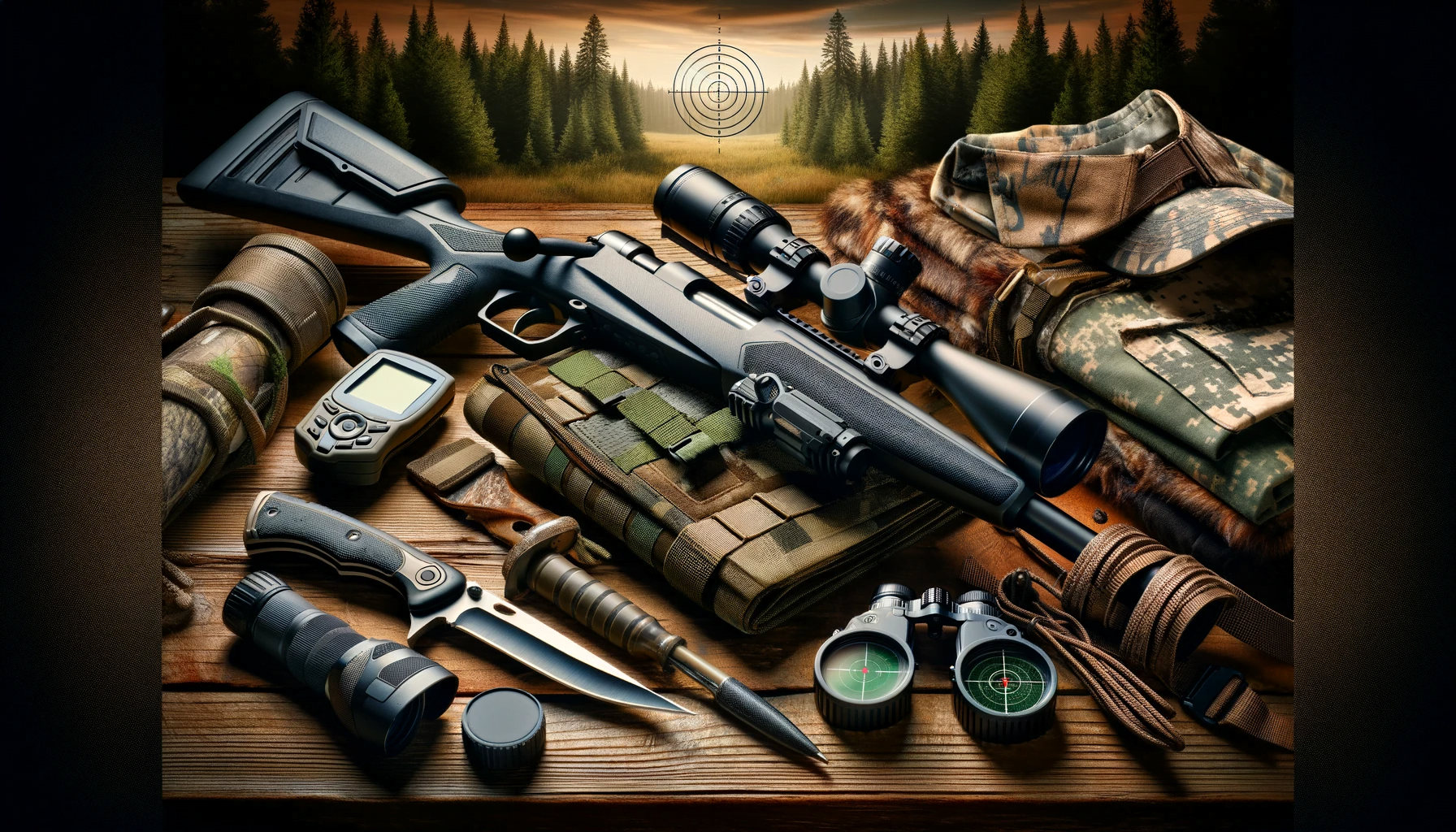
The right hunting gear does not replace woodsmanship, practice, or good judgment, but it can make a hunt safer, more comfortable, and more efficient. Poor gear can cause missed opportunities, unsafe decisions, cold hands, noisy movement, bad visibility, or fatigue at the worst possible time.
This guide explains how hunting gear affects real field results without turning the article into a product pitch. The goal is to help hunters choose gear that supports ethical shots, safe movement, weather protection, and better decision-making.
Table of contents
- Quick Answer
- Gear Supports Skill, It Does Not Replace It
- Safety Gear Changes The Hunt
- Clothing And Weather Protection
- Boots, Packs, And Mobility
- Optics And Field Awareness
- Weapon Fit, Accuracy, And Confidence
- Navigation And Communication
- Ethical Shot Decisions
- Where To Spend First
- Pre-Hunt Gear Testing
- Hunting Gear Decision Checklist
- Common Gear Mistakes
- FAQ
- Final Takeaway
Quick Answer
The right hunting gear improves results by helping you stay safe, quiet, warm, mobile, organized, and prepared to make a responsible shot. The most important gear is not always the most expensive item. It is the gear that fits the hunt, the weather, the terrain, your weapon, and your skill level.
A hunter with simple, tested gear usually performs better than a hunter carrying expensive equipment they have not practiced with. Field confidence comes from fit, familiarity, and preparation.
Gear Supports Skill, It Does Not Replace It
Good gear makes important skills easier to apply. Quiet clothing helps you move carefully. Reliable optics help you identify animals and read terrain. A comfortable pack helps you carry essentials without fighting your load. None of that replaces scouting, patience, firearm or bow practice, and safe judgment.
Before buying more gear, ask what problem you are trying to solve. If the problem is missed shots, practice and fit may matter more than a new accessory. If the problem is leaving early because you are cold, clothing and layering may be the better upgrade.
Safety Gear Changes The Hunt
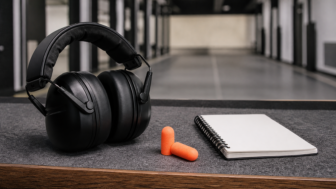
Safety gear has a direct impact on outcomes because it affects what risks you can manage. A headlamp, navigation tool, first aid basics, blaze orange where required, treestand harness, communication device, and weather layers may not feel exciting, but they matter when the hunt gets longer than planned.
The Hunter Ed safety resources are a useful starting point for reviewing firearm safety, field safety, and responsible hunting behavior. Gear should support those rules rather than encouraging shortcuts.
Clothing And Weather Protection
Weather can decide how long you stay alert. Cold hands, wet socks, overheating, or noisy fabric can reduce patience and make movement sloppy. Layering helps because you can adjust during the walk in, the sit, and the pack out.
Choose clothing for the actual hunt instead of the average forecast. A still treestand sit needs different insulation than an active upland walk. Rain gear, wind layers, gloves, and base layers should match terrain, expected movement, and temperature swings.
Boots, Packs, And Mobility
Boots and packs affect endurance. Poor footwear can create blisters, cold feet, slipping, or noise. A bad pack can make every mile harder and bury essential items where you cannot reach them. When mobility suffers, scouting and recovery suffer too.
Match boots to terrain and weather. Match packs to hunt length and load. For a simple preparation baseline, our day hunting field checklist covers practical items that help prevent avoidable problems.
Optics And Field Awareness
Optics help you identify animals, study movement, and avoid unnecessary walking. Binoculars, rangefinders, and scopes can all improve field awareness when used responsibly. The key is choosing clear, reliable optics that match your hunting distance and legal requirements.
Practice with optics before the hunt. Learn how to adjust focus, steady your view, range common landmarks, and avoid glassing unsafe areas. A tool you understand is more valuable than one with features you do not use.
Weapon Fit, Accuracy, And Confidence
Firearms and bows must fit the hunter and the hunt. Length of pull, draw length, recoil, weight, sight picture, trigger control, and practice distance all affect confidence. Gear that is technically powerful but uncomfortable can create poor field performance.
Use the range or practice session to confirm what you can do under realistic conditions. Know your limits before the hunt. If you cannot make the shot consistently in practice, do not treat the field as the place to test it.
Navigation And Communication
Navigation gear affects both safety and confidence. A map, compass, GPS device, phone map, or satellite communicator can help you avoid getting turned around, especially in low light, big timber, public land, or bad weather.
Do not rely on one battery-powered tool. Download maps before leaving service, carry backup power when needed, and tell someone where you are hunting. Your route plan matters as much as the device in your pocket.
Ethical Shot Decisions
Better gear can support ethical decisions by improving visibility, stability, distance judgment, and comfort. It should not push a hunter into taking longer or riskier shots. The right gear helps you know when to shoot and when to pass.
Think about recovery before the shot. Lighting, terrain, weather, and your ability to track sign all matter. For field-sign basics, see our guide on tracking animals and reading signs.
Where To Spend First
When the budget is limited, spend first on gear that affects safety, comfort, and core performance. Boots that fit, clothing that manages weather, a reliable light, basic navigation, and a safe weapon setup usually matter more than small accessories.
After the basics are solid, upgrade based on the hunt. A treestand hunter may benefit from better safety and cold-weather layers. A western hunter may need better boots, pack fit, and optics. A waterfowl hunter may prioritize waterproof clothing and safe dog or boat handling gear.
Pre-Hunt Gear Testing
Every important item should be tested before the hunt. Walk in your boots, pack your bag, climb with your safety system where appropriate, check batteries, confirm your weapon setup, and practice finding key items in the dark.
Testing reveals problems while they are still easy to fix. A noisy jacket, loose sling, uncomfortable pack strap, dim headlamp, fogging optic, or confusing app is much easier to solve at home than on a cold morning in the field.
Hunting Gear Decision Checklist
Does It Fit This Hunt?
Choose gear for species, season, terrain, weather, distance, and legal requirements.
Have You Tested It?
Use new gear before the hunt so you know how it works and what can fail.
Is It Quiet And Comfortable?
Noise, bulk, poor fit, or discomfort can ruin otherwise good equipment.
Does It Improve Safety?
Prioritize gear that helps you navigate, communicate, stay visible where required, and manage weather.
Common Gear Mistakes
Carrying Too Much
Extra weight can slow you down, make noise, and hide the items you actually need.
Not Testing Gear First
New boots, optics, packs, calls, or layers should be tested before opening day.
Ignoring Weather
The wrong clothing can make you leave early, move too much, or make poor decisions.
Buying Gear Instead Of Practicing
Gear can help, but practice and judgment are still the foundation of ethical hunting.
FAQ
How much does hunting gear really matter?
Gear matters when it improves safety, comfort, accuracy, mobility, or field awareness. It matters less when it is untested, unnecessary, or chosen without a clear purpose.
What is the most important hunting gear?
It depends on the hunt, but safety gear, weather-appropriate clothing, reliable footwear, navigation, and a properly fitted weapon or bow are usually more important than accessories.
Do I need expensive gear to hunt well?
No. You need reliable gear that fits the hunt and has been tested. Expensive gear can help in some conditions, but poor planning can waste any gear advantage.
What gear should beginners upgrade first?
Upgrade the item that solves your biggest field problem first. For many hunters that means boots, clothing layers, optics, a pack, or safety/navigation gear before specialty accessories.
Final Takeaway
The right hunting gear improves results when it supports safety, comfort, mobility, awareness, and ethical shot decisions. Choose gear for the hunt you are actually taking, test it before the season, and remember that skill and judgment still matter most.