Practical Shooting Competition: Safety and Match Basics
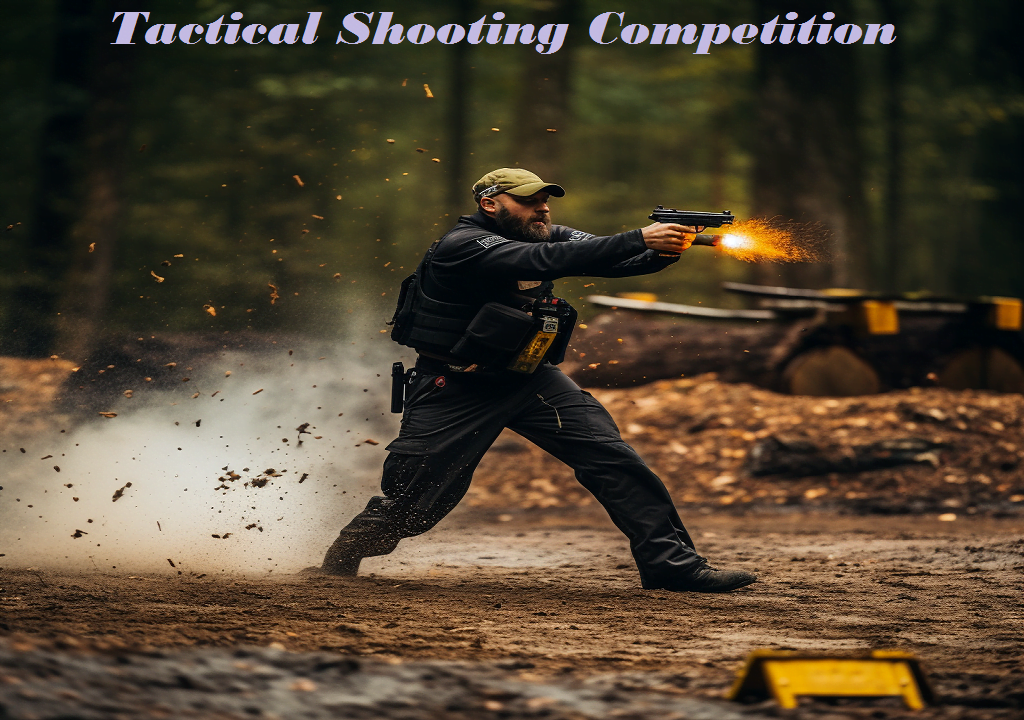
Practical shooting competition is a range sport where safety, rule-following, stage procedure, and controlled marksmanship matter more than speed alone. New shooters should learn match commands, equipment rules, safe movement, and local range expectations before entering a match.
This guide is written as a safety-first overview of civilian shooting sports. It does not teach tactical use, defensive tactics, or law-enforcement methods. Always follow the current match rulebook, range officer commands, firearm manuals, and local law.
Table of Contents
Quick Answer
Practical shooting competition is an organized range sport with a written rulebook, safety officers, stage plans, scoring, and equipment divisions. A beginner should start by learning safe gun handling, range commands, local club rules, and the specific rulebook before worrying about speed or advanced gear.
What Practical Shooting Competition Is
Practical shooting events often ask competitors to engage approved targets from different positions or stage layouts while following strict safety rules. The sport may include pistols, rifles, shotguns, or combinations depending on the organization and match type.
Organizations such as USPSA and IDPA publish their own rules, divisions, scoring methods, and safety procedures. A local club may also add range-specific instructions.
Safety and Range Commands
Match safety is built on ordinary firearm safety plus sport-specific commands. The NSSF firearm safety rules are a good baseline, but match shooters must also follow the range officer’s commands exactly.
- Keep the muzzle pointed in the allowed safe direction.
- Keep your finger off the trigger except when safely engaging approved targets.
- Follow loading and unloading commands from the range officer.
- Do not handle firearms in parking areas or spectator areas unless the match rules allow a designated safety area.
- Stop immediately if a range officer gives a stop command.
Every sport has disqualification rules for unsafe handling. New competitors should treat those rules as part of the learning process, not as fine print.
Secure storage also matters before and after the match. Project ChildSafe provides firearm safety and storage education that is useful for competitors transporting and storing match equipment responsibly.
Rules and Divisions
Divisions exist so competitors with similar equipment can compete under the same limits. A division may control firearm type, sights, magazines, holsters, ammunition, power factor, or other gear. Read the current rulebook before buying equipment for a match.
Why Rulebooks Matter
A pistol, holster, optic, magazine pouch, or modification that seems useful may not fit the division you want to shoot. Starting with the rulebook prevents wasted money and avoids awkward check-in problems on match day.
Local Club Differences
Local clubs may have different check-in times, new-shooter briefings, cold-range rules, target setup duties, and scoring apps. Ask the match director what a first-time competitor should bring and when to arrive.
Beginner Preparation
A first match should be about learning the process safely. You do not need to be fast. You need to follow commands, understand the stage, control the muzzle, and ask questions before you are on the clock.
- Read the match announcement and rulebook.
- Confirm firearm, ammunition, holster, and magazine rules.
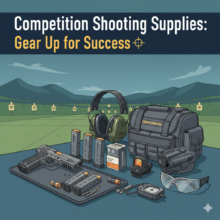
- Bring eye and ear protection.
- Pack water, snacks, weather-appropriate clothing, and a small notebook.
- Attend the new-shooter briefing if offered.
- Tell the range officer you are new before your first stage.
Do not try to copy advanced competitors immediately. Watch how safe shooters move through the administrative parts of the match: where they stand, how they listen, how they reset stages, and how they confirm commands.
What to Expect on Match Day
Most local matches involve registration, a safety briefing, squad assignments, stage walkthroughs, shooting one competitor at a time, scoring, and helping reset targets. The non-shooting work is part of the sport and helps the match run smoothly.
Expect to hear specific commands before, during, and after each stage. If you do not understand a command, ask before starting. Range officers would rather answer a basic question than stop an unsafe action later.
FAQ
Is practical shooting the same as defensive instruction?
No. Practical shooting competition is a sport with rules, targets, scoring, safety officers, and match procedures. It should not be treated as defensive instruction.
Can beginners enter a practical shooting match?
Many clubs welcome beginners, but new shooters should contact the match director first, attend any required briefing, and make sure they can handle the firearm safely before entering.
What gear does a first-time competitor need?
Gear depends on the sport and division. At minimum, expect eye and ear protection, a firearm allowed by the rules, approved ammunition, and any required holster or magazine carriers. Check the match page before buying anything new.
Do I need to be fast to compete?
No. A new competitor should focus on safety, listening, and learning the stage process. Speed can come later after safe habits are consistent.
What causes disqualification at matches?
Disqualification rules vary by organization, but unsafe muzzle direction, handling firearms outside allowed areas, trigger discipline problems, or ignoring commands can all be serious issues. Read the current rulebook and listen to the range officer.
Final Takeaway
Practical shooting competition can be a useful range sport when approached with humility and safety. Learn the rulebook, follow commands, start slow, ask questions, and treat match safety as the first score that matters.