How to Improve Shooting Accuracy Safely
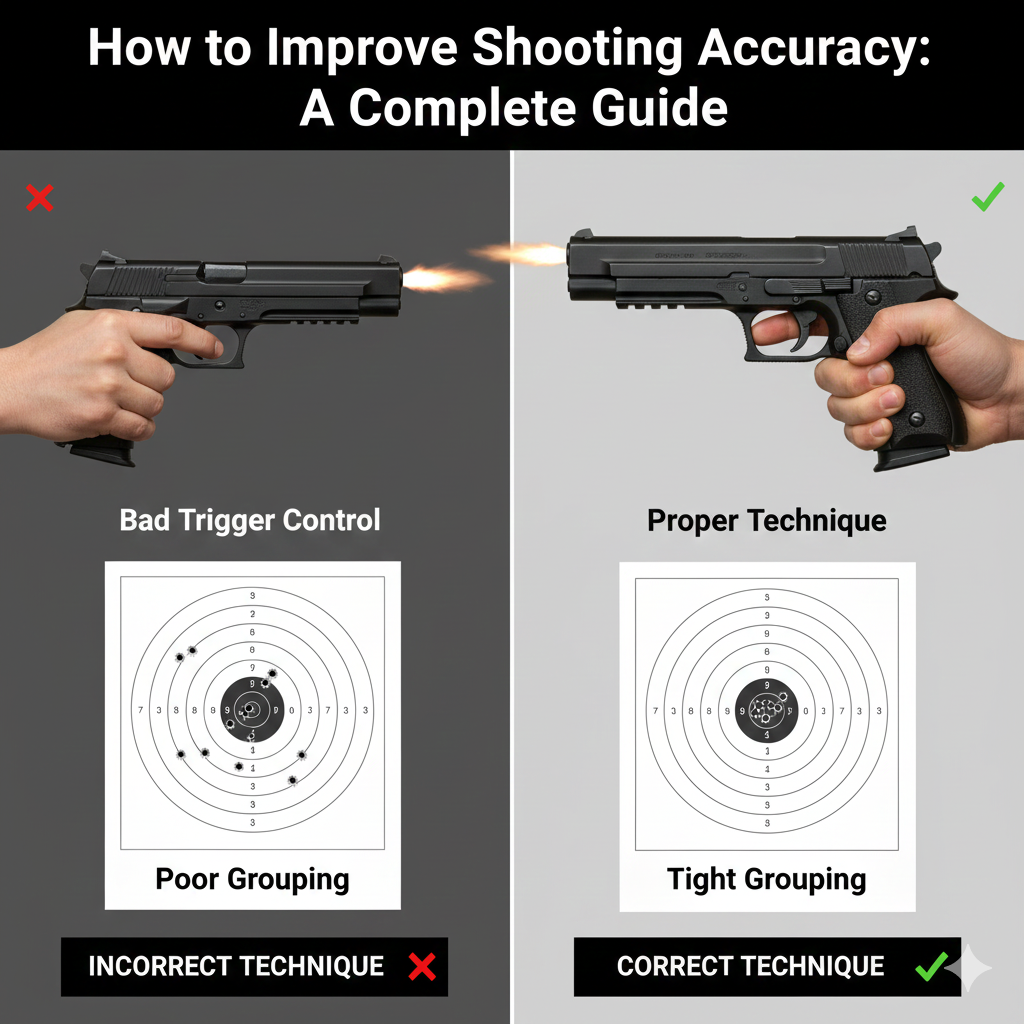
Improving shooting accuracy starts with safe handling and repeatable fundamentals: a stable position, correct sight alignment and sight picture, smooth trigger control, steady breathing, follow-through, and accountable practice. No technique promises a specific result, because accuracy depends on the shooter, firearm, ammunition, conditions, and practice quality.
This guide is for sport and recreational range shooting. It stays at the fundamentals level and does not cover advanced field methods. Always follow your range rules, firearm manual, and qualified instructor guidance first.
Table of Contents
Safety Comes Before Accuracy
Safe gun handling is the foundation of every accuracy session. Treat every firearm as if it is loaded, keep your finger off the trigger until your sights are on target and you intend to fire, keep the muzzle in a safe direction, and be sure of your target and what is beyond it. The NSSF firearm safety rules are a useful public reference for these fundamentals.
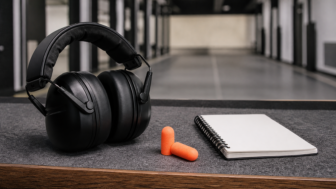
Accuracy practice also requires the correct ammunition for your firearm, eye and ear protection, clear range procedures, and awareness of the backstop. If you are unsure about loading, unloading, clearing, or checking your firearm, stop and ask qualified help before continuing.
Core Accuracy Fundamentals
A small set of fundamentals drives accuracy across most firearm disciplines. They work together, so consistency across the whole process matters more than chasing one trick.
| Fundamental | Beginner Focus | Why It Matters |
|---|---|---|
| Position or stance | Stable, repeatable body support | Reduces unnecessary movement |
| Sight alignment | Consistent relationship between sights and target | Helps aim stay repeatable |
| Trigger control | Smooth press without disturbing sights | Reduces pulled shots |
| Breathing | Calm, natural rhythm | Reduces body tension |
| Follow-through | Maintain position after the shot | Prevents relaxing too early |
Position or stance
A stable position gives every other fundamental something to build on. For standing range work, many shooters start with a balanced stance, feet about shoulder-width apart, weight slightly forward, and a relaxed but firm hold. Our shooting stance for beginners guide covers that foundation in more detail.
Sight alignment and sight picture
Sight alignment is the relationship between the sights, and sight picture is that alignment placed on the target. A consistent sight picture makes shot placement easier to evaluate over time.
Trigger control
Trigger control means pressing smoothly without disturbing the sights. Jerking, slapping, or anticipating recoil can move the firearm before the shot breaks. For more detail, read our guide on the importance of trigger control for shooting accuracy.
Follow-through
Follow-through means holding your position, grip, and focus for a moment after the shot rather than relaxing immediately. It helps make each shot part of the same repeatable process.
Rifle, Handgun, and Shotgun Differences
Accuracy fundamentals overlap, but rifle, handgun, and shotgun shooting differ enough that general advice should stay cautious. Treat these notes as orientation, not discipline-specific instruction.
- Rifles: Stability, support, cheek placement, and consistent shoulder position matter.
- Handguns: Grip consistency, stance, trigger control, and sight management carry extra weight.
- Shotguns: Smooth mount, target focus, movement, and follow-through are common themes.
The NSSF shooting resources are a helpful starting point for understanding organized shooting activities and safety context.
Practice Plans and Training Classes
Accountable practice usually helps more than equipment changes for newer shooters. Work slowly, record what you are doing, and compare targets over several sessions instead of judging from one group. Add distance, speed, or complexity only when the basics are consistent.
A qualified instructor can spot habits that are hard to feel on your own, such as flinch, uneven grip pressure, or inconsistent trigger movement. If practice at home ever becomes part of your routine, review secure storage and safe handling resources such as Project ChildSafe, and follow your firearm manual.
Common Accuracy Mistakes
- Trying to shoot faster than the fundamentals allow.
- Changing equipment before checking technique.
- Using an inconsistent stance, grip, or support position.
- Anticipating recoil and disturbing the firearm before the shot breaks.
- Relaxing before follow-through is complete.
- Ignoring range safety while focusing too hard on the target.
Before each range session, review our shooting range safety rules guide so safety remains the first habit, not an afterthought.
Frequently Asked Questions
What improves shooting accuracy the most?
No single factor improves accuracy by itself. For many newer shooters, consistent position and smooth trigger control are common areas where careful practice can help.
Are accuracy fundamentals the same for rifle, handgun, and shotgun?
The core ideas overlap, but each firearm type has different emphasis. Rifles reward stability, handguns reward grip and trigger consistency, and shotguns reward mount and movement.
Will better equipment make me more accurate?
Equipment can matter, but technique is usually the larger variable for newer shooters. Work on fundamentals with qualified guidance before assuming a firearm or accessory is the limiting factor.
How long does it take to improve shooting accuracy?
It varies by shooter, firearm, ammunition, and practice quality. Consistent, safe, accountable sessions are more useful than occasional unfocused practice.
Final Range Takeaway
Better accuracy starts with safety, repeatability, and honest practice. Keep the muzzle in a safe direction, follow range commands, use the correct ammunition and protective gear, and build fundamentals slowly with qualified help when needed.