How to Choose a Compound Bow: Draw Weight, Fit, and Setup Basics
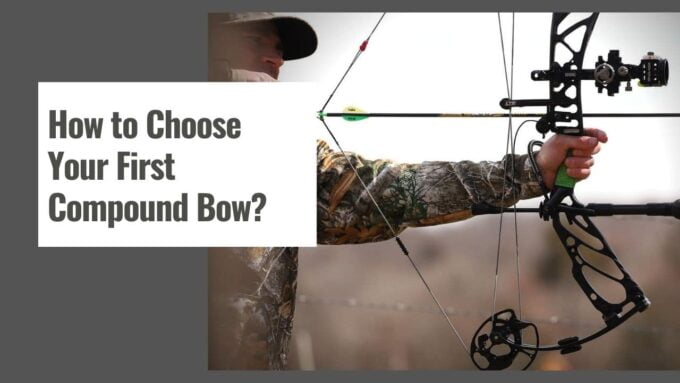
Choose a compound bow by fitting the archer first, then matching the spec sheet. The right bow should fit the draw length, draw weight, hand and eye dominance, and the way the shooter plans to practice. A bow that feels easy to control will teach better form than one that only looks fast on paper.
This article is for general support and safe setup planning. It is not a product roundup, does not use affiliate links, and does not push product CTAs. For compound bows, a good fit is usually a calm fit: repeatable anchor, manageable weight, clean hold, and a setup that can be checked by a pro shop or coach. New archers can also use our beginner bow shooting checklist, then add gear from the compound bow accessories guide only after the base fit is right.
Table of Contents
Quick Answer
The best compound bow for a new or returning archer is the one that fits the shooter, not the one with the biggest speed claim. Start with draw length, then choose a draw weight the archer can control, then check let-off, axle-to-axle length, brace height, and whether the setup can be verified by a good shop or coach. If the archer cannot draw smoothly, hold steadily, and let down without strain, the bow is too much.
The first question
Ask, “Can the shooter handle this bow safely and repeatably?” That means a clean draw, a stable anchor, a calm hold, and a controlled let-down. It does not mean forcing a heavy setup because it may look more serious.
The second question
Ask, “Will this bow still feel manageable after a few ends or a full practice session?” A setup that feels fine for one shot but falls apart when fatigue shows up is usually the wrong setup for learning.
The third question
Ask, “Can a pro shop measure and verify it?” That is especially helpful for compound bows because cam timing, module settings, peep placement, and accessory fit all interact with the archer’s body position.
Start With Purpose
Compound bows are used for target practice, 3D archery, and hunting, but the right setup changes with the job. A bow for target work may favor steadiness and comfort. A hunting bow may need to stay compact enough for stands, blinds, or tight cover. A beginner practice bow may need a wider adjustment range so the archer can learn before committing to one exact setup.
Target practice
For target practice, the main job is repeatability. A bow that settles well at anchor and does not punish small form errors will usually help the shooter improve faster than a stiffer, twitchier setup.
3D courses
For 3D archery, the bow should be easy to carry, easy to draw from odd angles, and still stable enough for careful aiming. A shooter who struggles with draw cycle on uneven terrain is carrying more baggage than the course asks for.
Hunting use
For hunting use, fit and control matter even more. The bow may be drawn from cold hands, awkward positions, or a narrow platform. A hunter should choose a setup that is easy to manage in real field positions, not just on a showroom floor.
Measure Draw Length
Draw length is one of the most important fit points on a compound bow. If it is wrong, the rest of the setup can feel off no matter how much money went into it. Too long and the archer may overreach, collapse, or fight the bow. Too short and the shooter may feel cramped, bunched up, or unable to settle into a clean anchor.
Why length matters
Draw length shapes posture. It affects shoulder position, anchor consistency, sight picture, and the ability to relax into the shot. A bow that fits the draw length lets the archer stand naturally instead of creating a pose that has to be fought on every shot.
How to get close
Even a simple session at a pro shop or coached range can help. A trained eye can look at arm reach, anchor, face contact, and how the shooter settles at full draw. That is better than guessing from a height chart alone.
Signs of a mismatch
If the archer leans forward, punches the chin ahead, or has to scrunch the bow shoulder, the draw length may be wrong. If the anchor feels stretched or unstable, the bow is asking for more reach than the body wants to give.
Choose Draw Weight
Draw weight should be the heaviest setting the shooter can handle with control, not the highest number the bow can reach. The safest beginner-safe weight is the one that allows smooth drawing, steady holding, and a controlled let-down without shaking or strain. For a new archer, lighter is usually smarter than heavier.
Control over bragging rights
A bow that can be drawn but not truly controlled will slow learning and can encourage bad habits. The shooter should be able to repeat several shots with decent form, not just survive one hero shot and call it good.
A practical test
If the archer has to lean back hard, lose balance, or rush the release because the bow feels like too much, the weight is too high. A better fit lets the shooter settle, breathe, aim, and finish the shot without a panic closeout.
Build strength later
Strength can improve with practice, but it should not be forced on day one. Good form at a manageable weight builds a cleaner base than poor form at a heavy weight. Heavy bows punish bad posture. Light bows teach posture.
Understand Let-Off
Let-off is one of the main compound bow advantages. It reduces the holding weight at full draw, which makes it easier to aim and stay on target. That does not make the bow easier in every way. It changes the holding phase, but the shooter still has to draw, anchor, and let down cleanly.
Why let-off helps
Less holding weight means less muscle tremor at full draw and often a calmer sight picture. That can help with target practice and hunting, where the archer may need a little extra time to settle.
What let-off does not fix
Let-off does not excuse the wrong draw length, a poor grip, or a weight that is still too hard to draw. A bow can feel pleasant at hold and still be a bad match if the front half of the draw cycle is a grind.
Use the hold wisely
A shooter should still aim to anchor naturally and avoid lingering at full draw longer than needed. Holding easier is helpful. Wandering around at full draw because the bow has let-off is not the same thing as good control.
Axle-to-Axle and Brace Height
Axle-to-axle length and brace height shape how a compound bow feels in the hand and how forgiving it is of small errors. These two specs are worth checking right beside draw length and draw weight because they affect steadiness, clearance, and how much the bow complains about imperfect form.
Axle-to-axle length
Longer bows often feel steadier and may be easier for target work. Shorter bows are usually handier in tight spaces and can be better for some hunting setups. The right choice depends on the archer’s use case and the places they will actually shoot.
Brace height
Brace height is another important comfort point. In general, a longer brace height tends to be more forgiving of small mistakes, while a shorter brace height can feel quicker but less forgiving. A new archer usually benefits from forgiveness more than from chasing speed on a spec sheet.
Do not pick on speed alone
Speed claims can distract from real fit. A bow that shoots a little slower but lets the archer hold steady, aim cleanly, and keep good form will often be a better buy for learning and consistency.
Dominant Eye, Handedness, and Grip
Eye dominance, hand dominance, and grip comfort all matter when choosing a compound bow. The goal is to make the bow feel natural enough that the shooter can focus on form and safety, not on wrestling the setup into place.
Start with the eye test
Dominant eye often drives the first handedness decision. Many archers shoot more naturally when the bow side lines up with the aiming eye, but not every person fits a neat rule. A coach can help when eye dominance and hand comfort do not agree.
Do not force a bad side
If a shooter feels awkward or unstable on one side, do not ignore it just to match a chart. Cross-dominance happens, and the cleaner choice is usually the one that gives the archer the most stable, repeatable shot under supervision.
Grip should stay quiet
The grip should feel neutral, not forced. A grip that twists the wrist or creates tension in the bow hand can throw off the shot before the arrow even leaves the string. Quiet hands make cleaner bows.
Plan the First Setup
Compound bows are systems. The bow, release, rest, sight, peep, arrows, and archer all have to work together. A first setup should be simple enough to learn on and stable enough to inspect at a pro shop before serious practice starts.
Start simple
New archers usually do better with fewer moving parts. The point is to learn draw, anchor, aim, release, and follow-through before layering on accessories that make the bow busier than it needs to be.
Let a pro shop verify it
A pro shop can confirm draw length, check draw weight, and make sure the bow is assembled and set up in a way that matches the shooter. That is especially useful when the archer is not sure whether the bow’s printed range really fits their body.
Keep the first target routine calm
Early practice should be about clean shots, safe handling, and repeatable habits. A setup that supports quiet repetition will teach faster than a setup that demands constant correction.
Youth and Smaller Archers
Youth archers need extra care. The bow should fit the child, not the other way around. Weight, length, and supervision all matter, and a child should never be pushed into a bow that is too heavy just because the adult wants to see more power on the range.
Keep the weight light
Youth-safe weight is the weight the child can draw and release safely while keeping good posture. The right choice is usually lighter than the adult expects. Good form at low poundage is a better start than a strained shot at high poundage.
Expect growth, not instant power
Growing archers change fast, so the setup should be reviewed often. A bow that fits this month may not fit in a season, which is another reason to lean on shop support and coaching instead of guessing once and forgetting about it.
Supervision stays mandatory
Youth archery should always be supervised by a responsible adult or coach in a safe setting. That includes checking nocks, arrows, target placement, and the shooting lane before anyone starts sending arrows downrange.
Safety and Range Rules
USA Archery describes archery as a low-injury sport when it is run with proper coaching and safe ranges, and its safety guidance points shooters toward supervised, structured practice. That is the right frame for choosing a bow too. A good bow choice should support safe habits, not tempt the shooter into risky shortcuts.
Use a real backstop
Never shoot without a proper target and backstop. Arrows should have a safe place to stop. Do not shoot toward hard surfaces, roads, buildings, people, pets, or any area where a missed arrow could travel beyond control.
Do not practice in a casual backyard way
Even when local rules allow archery practice, the archer still needs a proper lane, clear distance, and good judgment. If the setup cannot catch every miss, it is not ready for shooting.
Inspect before every session
Check the string, cables, arrows, and rest area before shooting. Stop if anything looks damaged, loose, or out of place. A bow that is not in good working order should not be used until a qualified person checks it.
Common Mistakes
Most bad bow choices come from rushing. The wrong bow is often the one bought for a number, a color, or a sales pitch instead of fit. Slow the process down enough to let the body, not the box, make the decision.
Buying too much draw weight
Heavy draw weight can make a bow feel impressive and shoot poorly. It often creates flinching, rushed release, and bad posture. If the bow is too much in the store, it will be more than too much after a long practice session.
Ignoring draw length
A wrong draw length can hide behind excitement for a while, then show up as shoulder tension, inconsistent anchor, or a face that never seems to settle in the same place twice.
Chasing speed and skipping fit
Speed is not the same as shootability. A bow that matches the archer’s body and use case will usually be easier to learn on, easier to trust, and easier to practice with safely.
Quick Checklist
Use this as a final pass before buying or setting up the bow. If several boxes fail, the setup probably needs a different size, a lower weight, or a pro-shop check.
Fit check
The archer can draw smoothly, reach anchor naturally, and hold the bow without obvious strain.
Control check
The bow can be held, aimed, and let down under control without panic or body twist.
Safety check
The practice area has a proper target, a real backstop, and no unsafe shooting lanes.
FAQ
What should a beginner prioritize first?
Draw length comes first, then draw weight, then overall bow feel. A beginner who starts with fit and control will usually learn faster than one who starts with peak power.
How much draw weight is safe for a beginner?
There is no single number that fits everyone. Begin with a weight the shooter can draw smoothly, hold briefly, and let down safely. If form breaks, the weight is too high for that person right now.
Should eye dominance override everything else?
Eye dominance matters, but it should not force an awkward or unsafe setup. If the dominant-eye choice creates a bad fit, a coach or pro shop can help sort out the better side for that archer.
Is a longer bow always better?
No. Longer bows can feel steadier, but shorter bows can be easier to carry and use in tight spaces. The right answer depends on the shooter and the job.
Sources and Further Reading
The guidance above is based on general archery fit and safety practice, with an emphasis on official and industry reference material. These pages are good starting points for safe supervision, range habits, and measurement standards:
- USA Archery – Archery Safety
- USA Archery – Coaches and instruction resources
- Archery Trade Association – Technical Guidelines
- Archery Trade Association – Home
- World Archery – Official site
For a first compound bow purchase, the safest path is still a quiet one: get measured, keep the weight honest, and let a coach or pro shop confirm the fit before practice starts to build bad habits.