Best Rangefinders for Bowhunting Under $200
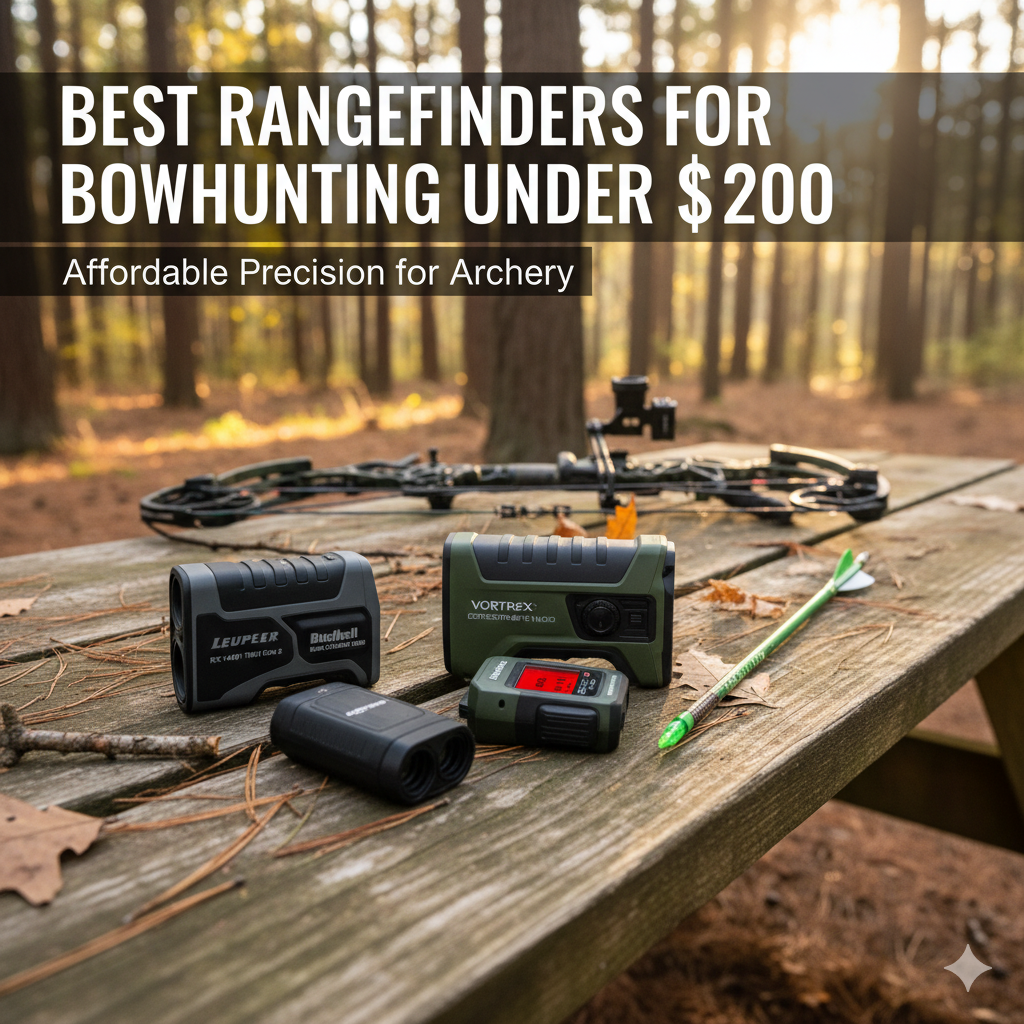
The best rangefinder for bowhunting under $200 should give fast close-range readings, angle compensation when possible, a readable display, and enough weather resistance for your hunting area. Huge maximum range numbers are less important for bowhunters than a quick, believable reading inside normal archery distances.
Prices change often, so treat the under-$200 target as a shopping range and verify the current price before buying. Also remember that a rangefinder supports judgment; it does not decide whether a shot is ethical, clear, or inside your practiced limit.
Table of Contents
- Quick Picks
- Best Rangefinders for Bowhunting Under $200
- TIDEWE Hunting Rangefinder
- REVASRI 1000Y Rangefinder
- AILEMON AL51 Rangefinder
- Vortex Crossfire HD 1400
- AOFAR HX-700N
- Bowhunting Rangefinder Buying Guide
- How to Choose a Bowhunting Rangefinder Under $200
- Bowhunting checklist
- FAQ
- Do bowhunters need angle compensation?
- Is a 1000-yard rangefinder necessary for bowhunting?
- Should I pre-range landmarks before a deer arrives?
Quick Picks
| Product | Best for | Link |
|---|---|---|
| TIDEWE Hunting Rangefinder | budget bowhunters who want angle and scan modes in a lightweight unit | Check Amazon |
| REVASRI 1000Y Rangefinder | buyers who want one rangefinder for bowhunting practice and golf-style slope features | Product link under verification |
| AILEMON AL51 Rangefinder | hunters who want a camo waterproof-style body and angle range compensation | Product link under verification |
| Vortex Crossfire HD 1400 | hunters who want better glass, a known optics brand, and a more durable-feeling unit | Product link under verification |
| AOFAR HX-700N | new bowhunters who want a simple low-cost rangefinder for basic distance readings | Product link under verification |
Best Rangefinders for Bowhunting Under
TIDEWE Hunting Rangefinder
Best for: budget bowhunters who want angle and scan modes in a lightweight unit.
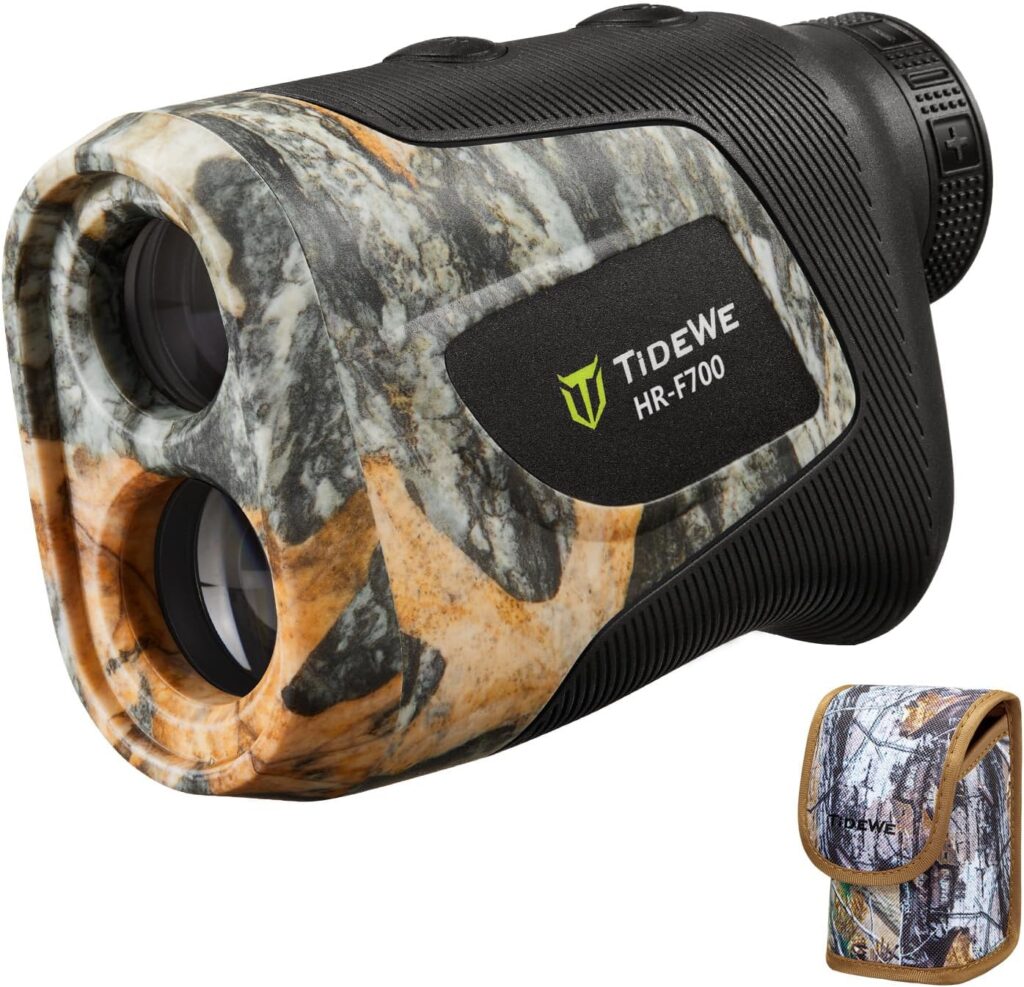
The TIDEWE rangefinder is the value pick for hunters who want more than a basic distance number. The local product notes list 6x magnification, a 700 to 1000 yard advertised range, rechargeable USB battery, and multiple modes for distance, angle, speed, and scan. For bowhunting, the angle and scan modes matter more than the maximum range claim because most real decisions happen at much closer distances.
- Pros: Budget-friendly, lightweight, rechargeable, includes angle and speed modes.
- Cons: Basic weather resistance and no illuminated display in the local notes.
- Skip if: you hunt mostly in very dark timber and need a brighter premium display.
REVASRI 1000Y Rangefinder
Best for: buyers who want one rangefinder for bowhunting practice and golf-style slope features.
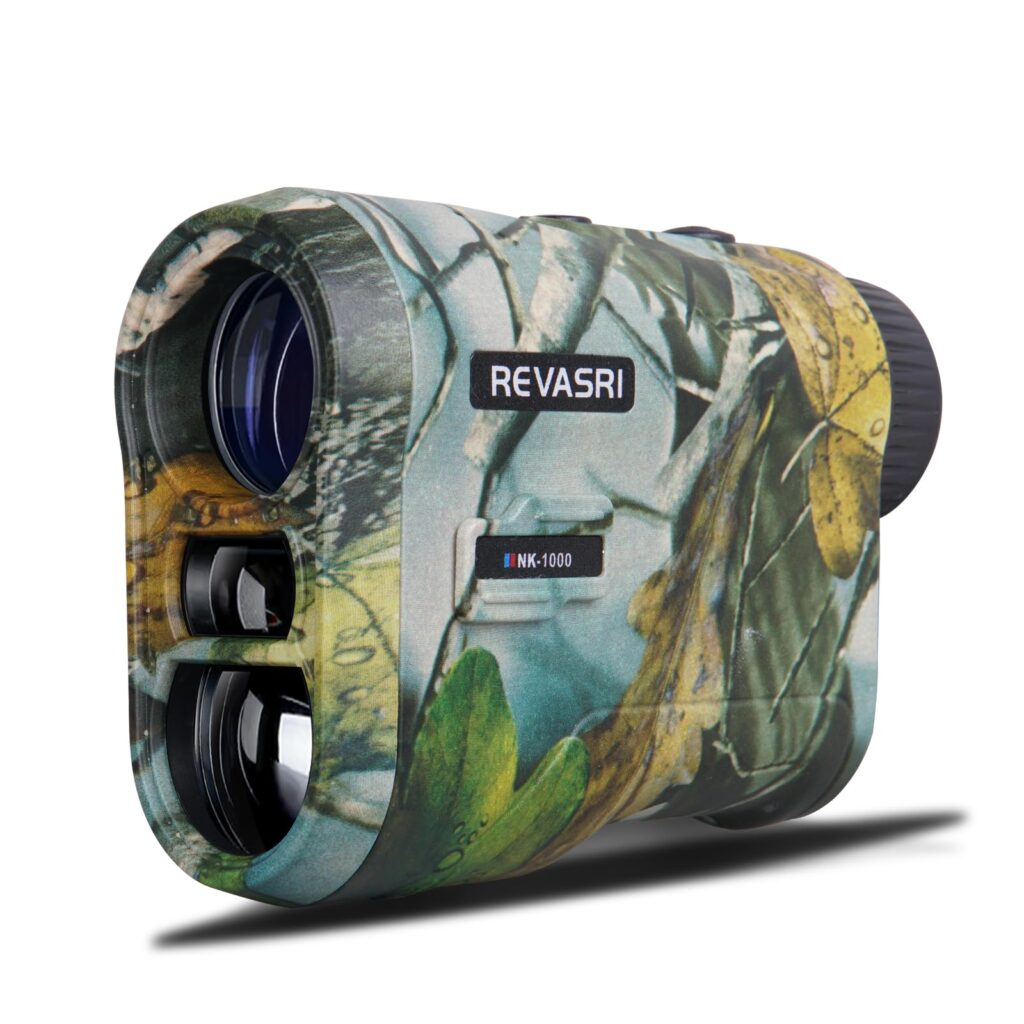
The REVASRI 1000Y is positioned as a compact dual-use rangefinder. Local notes list up to 1000 yards, plus or minus 1 yard accuracy, rechargeable lithium battery, golf and hunting modes, slope compensation, vibration, and fast readings. That mix can make sense if you want one budget device for range practice, scouting landmarks, and non-hunting distance work.
- Pros: Compact, rechargeable, slope mode, vibration feedback, useful beyond hunting.
- Cons: Build quality is not described as premium, and real-world range can be shorter than headline range.
- Skip if: you want a hunting-only device with a more rugged brand reputation.
Product link under verification
AILEMON AL51 Rangefinder
Best for: hunters who want a camo waterproof-style body and angle range compensation.
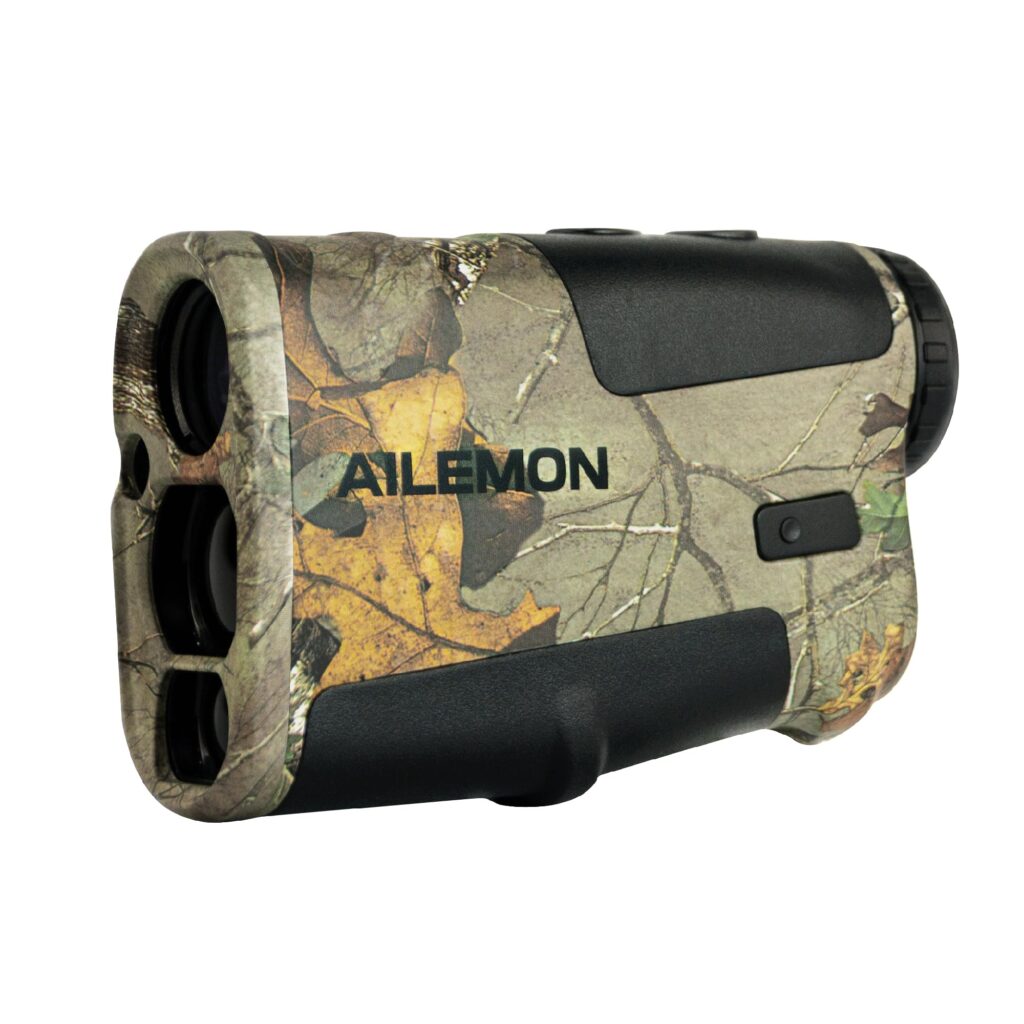
The AILEMON AL51 is the rugged-looking mid-range pick in this list. Local notes mention a 900 yard advertised range, 6x magnification, waterproof camo body, and angle range compensation. For bowhunters, that combination is useful when you hunt from tree stands, slopes, or damp conditions and need a distance number that is more helpful than simple line-of-sight range.
- Pros: Camo body, angle compensation, close-range usefulness, listed waterproof design.
- Cons: Readout can be slower than some options, and the focus ring needs manual adjustment.
- Skip if: you want the fastest possible target pickup for moving animals.
Product link under verification
Vortex Crossfire HD 1400
Best for: hunters who want better glass, a known optics brand, and a more durable-feeling unit.
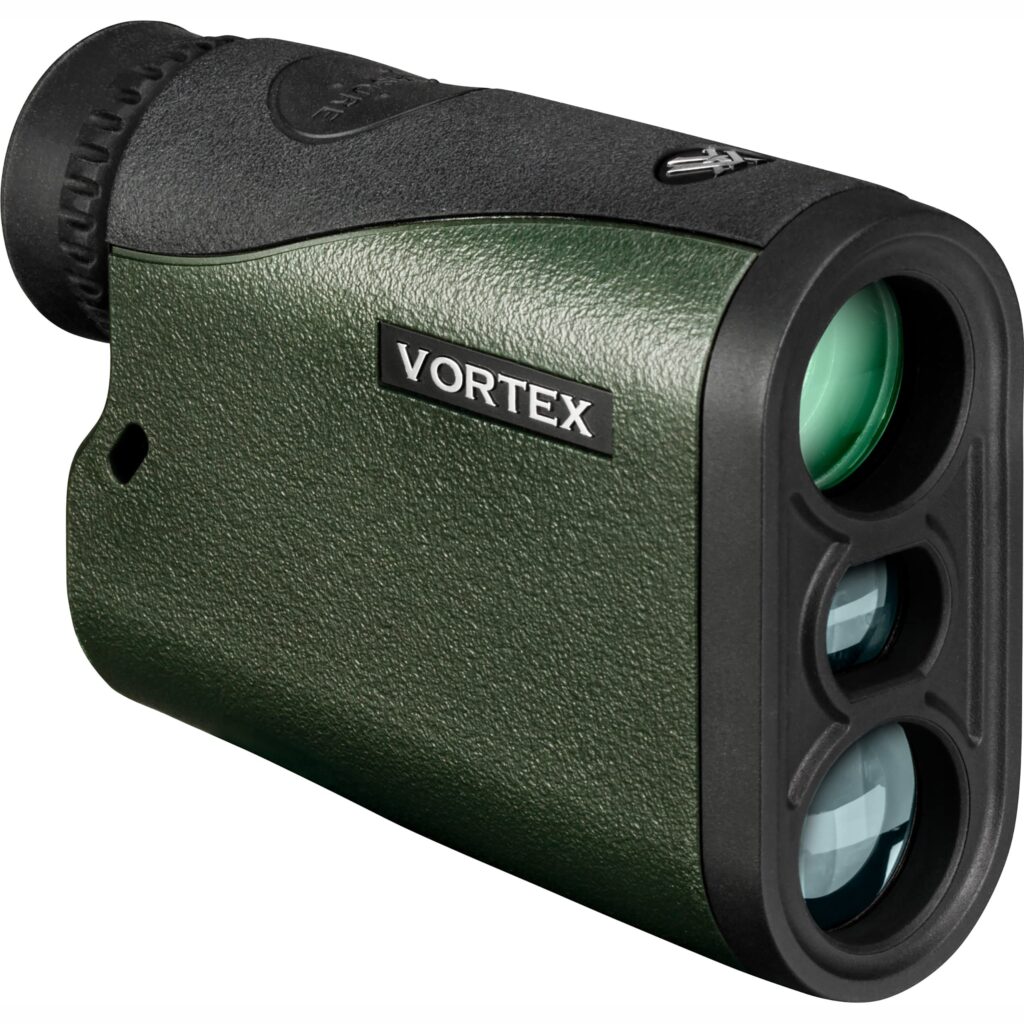
The Vortex Crossfire HD 1400 is the premium-leaning option here. Local notes list a 1400 yard maximum range, 750 yards on deer, HD optics, 5x zoom, HCD and LOS modes, and waterproof/shockproof positioning. Bowhunters should focus on the HCD-style compensated distance and optical clarity rather than the large maximum range number.
- Pros: Better glass, trusted optics brand, HCD/LOS modes, stronger durability positioning.
- Cons: Usually costs more than basic budget models, and display brightness may be limited in bright sunlight.
- Skip if: your main goal is the lowest possible price under the budget line.
Product link under verification
AOFAR HX-700N
Best for: new bowhunters who want a simple low-cost rangefinder for basic distance readings.
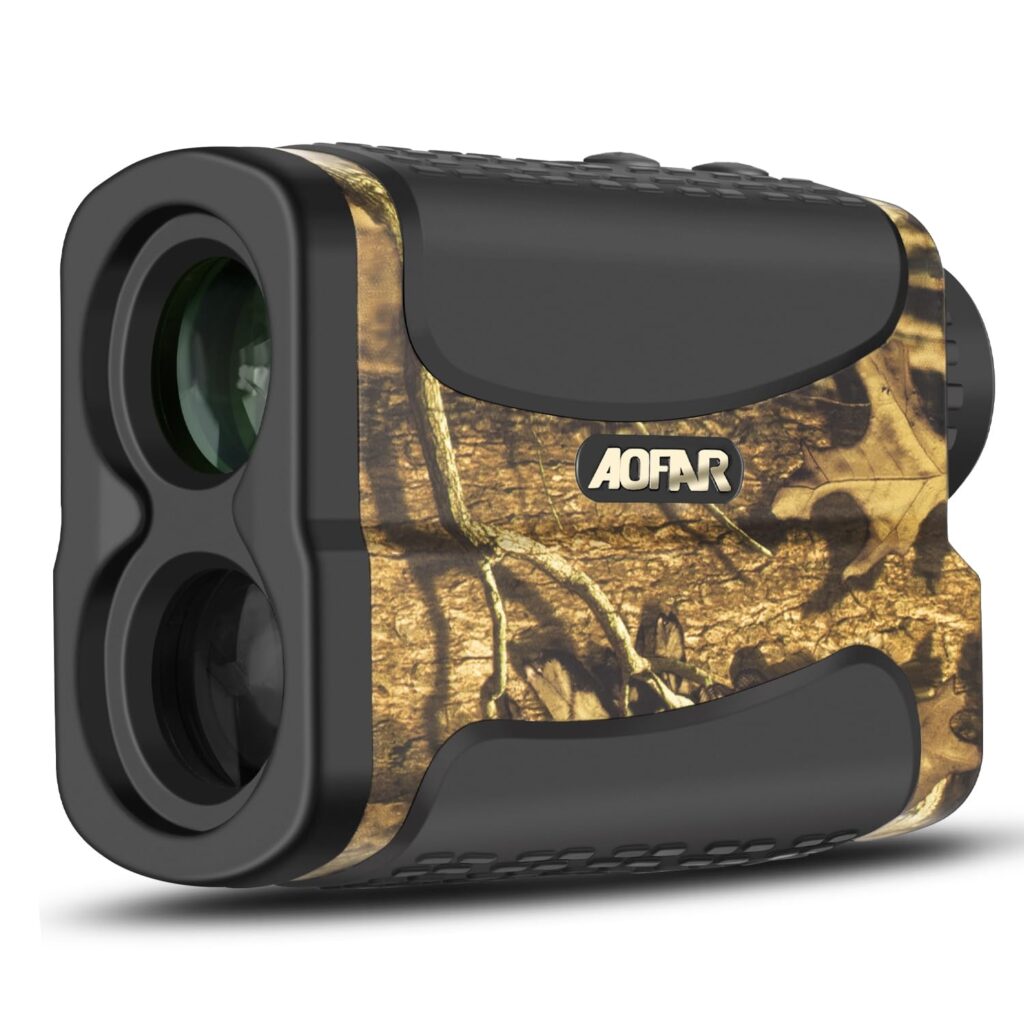
The AOFAR HX-700N is the simplest pick in this group. Local notes list a 700 yard range, 6x magnification, range and speed modes, lightweight body, waterproof positioning, pouch, and battery. Its appeal is simplicity: if you mainly want to pre-range landmarks and confirm basic yardage, it avoids some complexity.
- Pros: Very affordable, simple controls, lightweight, includes pouch and battery in local notes.
- Cons: No angle compensation noted, so it is weaker for tree stands and steep terrain.
- Skip if: you hunt from elevated stands and need compensated bowhunting distance.
Product link under verification
Bowhunting Rangefinder Buying Guide
For bowhunting, angle compensation is one of the most useful features. When shooting from a tree stand or slope, line-of-sight distance can differ from the horizontal distance that matters for arrow drop. Look for wording such as angle compensation, bow mode, ARC, HCD, or horizontal distance, then practice with the mode before hunting.
Close-range performance matters more than extreme advertised range. A budget unit that reads quickly at normal archery distances is more useful than a long-range number that is slow, inconsistent, or hard to see in timber. Pre-range trees, rocks, trail openings, and landmarks before the animal arrives so you are not fighting brush at the last second.
Display and glass quality also matter. Black LCD numbers can disappear against dark backgrounds, while bright displays can be distracting in low light. If you hunt early or late, prioritize a display you can actually read without losing the target.
Keep the ethical side clear. Bowhunter Ed’s shot-placement guidance is a useful reminder that distance is only one part of the decision. You still need a clear angle, a calm animal, a practiced range limit, and confidence in your setup.
How to Choose a Bowhunting Rangefinder Under $200
For bowhunting, a rangefinder does not need extreme long-range capability as much as it needs fast close-to-midrange reads, angle compensation, clear display contrast, and simple one-hand operation. Under $200, the best value usually comes from choosing the model that gives you reliable yardage in real hunting light, not the one with the biggest advertised maximum range.
Angle compensation matters because tree-stand shots and steep terrain can make line-of-sight distance misleading. Also check size, button layout, battery type, water resistance, and whether the display is easy to read at dawn or dusk. A compact rangefinder is helpful, but it still needs to be stable enough to range small landmarks before the animal is in your shooting lane.
Bowhunting checklist
- Prioritize angle-compensated distance for elevated shots.
- Check display visibility in low light.
- Choose a button layout you can use with gloves.
- Pre-range trees, rocks, and trail openings before the shot opportunity.
- Confirm local hunting rules and use rangefinders ethically.
For hunter education and field safety basics, Hunter-ed is a useful high-authority reference.
FAQ
Do bowhunters need angle compensation?
It is strongly useful, especially from tree stands or steep ground. Angle compensation helps show a distance that is more relevant to arrow drop than simple line-of-sight range.
Is a 1000-yard rangefinder necessary for bowhunting?
No. Bowhunters usually benefit more from fast close-range readings, scan mode, good target pickup, and a readable display than from a huge maximum range claim.
Should I pre-range landmarks before a deer arrives?
Yes. Pre-ranging trees, openings, and trail markers can reduce movement and decision pressure when an animal steps into range.
Final Recommendation
If you want the lowest-cost simple option, start with the AOFAR HX-700N. If angle modes and rechargeable convenience matter more, compare the TIDEWE, REVASRI, and AILEMON models. If you want the strongest optics-brand choice in this list, the Vortex Crossfire HD 1400 is the premium pick to check first.