Beginners Guide to Compound Bow Accessories
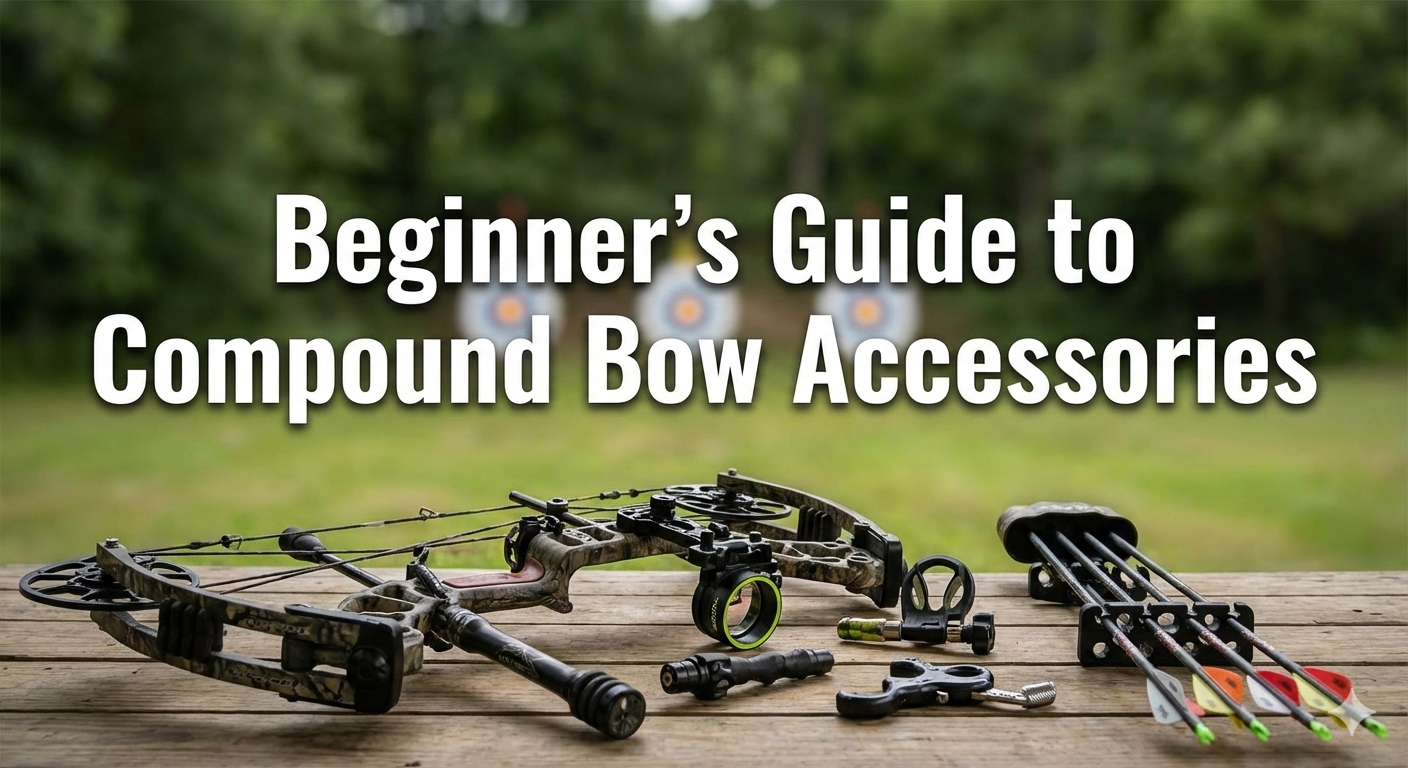
The most useful compound bow accessories for beginners are the ones that improve safety, fit, consistency, and simple practice habits: an arrow rest, bow sight, peep sight, release aid, stabilizer, quiver, wrist sling, string wax, bow case, and basic maintenance tools. You do not need every upgrade on day one. Start with the accessories that match your bow, your draw length, your arrows, and the type of shooting you plan to do.
This guide explains what each accessory does, which ones beginners should prioritize, and where to slow down and get help from a pro shop or coach. If the bow itself is not fitted yet, start with our compound bow fit guide; if the sight is the confusing part, use the bow sight setup guide. It is a support guide, not a product roundup, so there are no affiliate links or product CTAs.
Table of Contents
- Start With Fit and Safety
- Essential Compound Bow Accessories
- Arrow Rest
- Bow Sight
- Peep Sight
- Release Aid
- Accuracy and Consistency Upgrades
- Stabilizer
- Wrist Sling
- D-Loop
- Carrying, Storage, and Care
- Quiver
- Bow Case
- String Wax and Basic Tools
- What Beginners Can Wait To Buy
- Questions To Ask at the Pro Shop
- Simple Beginner Accessory Checklist
- FAQ
- What compound bow accessory should a beginner buy first?
- Do beginners need a stabilizer?
- Can I install compound bow accessories myself?
- Are hunting accessories different from target accessories?
- Should youth archers use the same accessories?
- Final Takeaway
- Compound Bow Accessory Priority Checklist
Start With Fit and Safety
Before buying accessories, make sure the bow itself fits. Draw length, draw weight, arrow spine, release style, and rest setup all affect whether an accessory helps or creates frustration. A beginner with a poorly fitted bow can spend money on upgrades and still shoot inconsistently.
For safety, follow range rules and use qualified instruction when possible. USA Archery s safety resources are a good reminder that equipment setup and safe range behavior belong together. Never dry-fire a compound bow, and leave shop-level bow work, major disassembly, and cam/string tuning to people with the right tools and knowledge.
A good beginner setup should feel simple enough that the archer can focus on stance, anchor, sight picture, and release execution. If accessories make the bow heavier, noisier, more confusing, or harder to draw safely, they are probably not the right first upgrade.
Essential Compound Bow Accessories
Arrow Rest
The arrow rest supports the arrow before and during the shot. Common beginner options include containment rests and drop-away rests. A containment rest can be simpler for new shooters because it helps keep the arrow controlled while learning form.
Bow Sight
A bow sight gives the shooter a repeatable aiming reference. Beginners often start with a multi-pin sight because it is straightforward and affordable. The number of pins should match realistic practice distances rather than looking advanced.
Peep Sight
A peep sight sits in the bowstring and helps align the eye with the sight housing. Peep size, height, and rotation matter. A pro shop can help install it correctly so your anchor position stays natural.
Release Aid
A release aid helps activate the string more consistently than fingers on many compound setups. Wrist-strap releases are common for beginners. The release should fit the shooter s hand and allow clean shot execution without punching or jerking.
Accuracy and Consistency Upgrades
Stabilizer
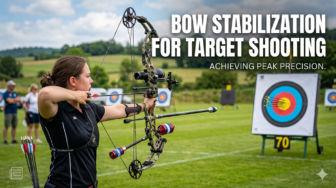
A stabilizer can reduce vibration and help the bow hold steadier. Beginners do not need an extreme target setup. A modest stabilizer can make the bow feel calmer without adding too much front weight.
Wrist Sling
A wrist sling helps the shooter avoid gripping the bow too tightly after the shot. It is a small accessory, but it can support better form because the shooter does not feel the need to grab the handle.
D-Loop
A D-loop gives the release aid a consistent connection point. It should be installed correctly and checked for wear. If the loop frays, shifts, or looks damaged, replace it before shooting.
Carrying, Storage, and Care
Quiver
A quiver holds arrows safely and keeps broadheads or field points organized. Hunters may prefer a bow-mounted quiver, while target shooters may like a hip quiver. Choose based on how you shoot, not only how the bow looks.
Bow Case
A case protects the bow, sight, rest, strings, and cams during travel. Even a budget bow can be knocked out of alignment if it is loose in a truck bed or closet. A case is boring, but it saves headaches.
String Wax and Basic Tools
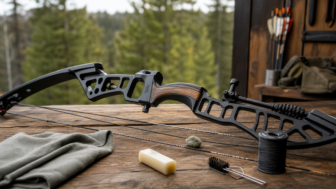
String wax helps protect the bowstring, but it should be used according to the bowstring maker s guidance. Basic tools may include Allen keys, a bow square, and serving-related items, but beginners should leave high-risk tuning and press work to a qualified shop.
What Beginners Can Wait To Buy
Beginners can usually wait on expensive target stabilizer systems, advanced sight tapes, lens kits, back-bar systems, hinge releases, specialty rests, and elaborate tuning tools. Those accessories can be useful later, but they make more sense after your draw length, anchor, release execution, arrows, and practice distances are consistent.
A compound bow is already a mechanical system with cams, cables, limbs, and a riser working together. Adding accessories before the base setup is right can make troubleshooting harder.
Use a simple priority order: safety and fit first, arrow support second, aiming reference third, release consistency fourth, then comfort and storage. If an accessory does not help one of those categories, it can probably wait until you have more range time.
Questions To Ask at the Pro Shop
A good pro shop visit can save a beginner from buying accessories that do not fit the bow or the archer. Bring the bow, arrows, and release if you already own them. Ask the technician to check draw length, draw weight, arrow spine, rest position, peep height, D-loop condition, and sight alignment.
Also ask which changes are urgent and which can wait. A shop may recommend a simple rest adjustment or peep correction before any new accessory. That kind of advice is often more valuable than another gadget, especially for a new archer still building repeatable form.
Simple Beginner Accessory Checklist
- Bow fitted for draw length and manageable draw weight.
- Correct arrows matched to the bow and use case.
- Arrow rest installed and checked.
- Bow sight set for realistic practice distances.
- Peep sight aligned with natural anchor position.
- Release aid that fits the shooter and supports clean execution.
- Quiver or safe arrow-carrying method.
- Bow case for transport and storage.
- String care plan and routine inspection habit.
- Pro-shop or coach support for tuning questions.
FAQ
What compound bow accessory should a beginner buy first?
Start with fit and safety essentials: correct arrows, a reliable rest, a simple sight, a properly installed peep, and a release aid that fits. A case is also important for protecting the setup.
Do beginners need a stabilizer?
A modest stabilizer can help, but it is not the first thing to chase if the bow does not fit or the shooter lacks consistent form. Fit, arrows, rest, sight, peep, and release matter more at the start.
Can I install compound bow accessories myself?
Some simple accessories are beginner-friendly, but peeps, D-loops, press-related work, tuning, and cam/string work are better handled by a qualified pro shop unless you have proper tools and training.
Are hunting accessories different from target accessories?
Yes. Hunting setups often prioritize durability, quietness, practical weight, and arrow carrying. Target setups may prioritize adjustability, balance, and precision at known distances.
Should youth archers use the same accessories?
Youth archers need fit-first accessories, manageable draw weight, safe supervision, and gear sized for their body. Avoid heavy stabilizers or complex setups that make learning harder.
Final Takeaway
The best compound bow accessories for beginners are practical, safe, and matched to the archer. Start with fit, arrows, rest, sight, peep, release, quiver, case, and basic care. Add advanced upgrades only after your form and setup are consistent enough to benefit from them.
Compound Bow Accessory Priority Checklist
Beginner compound bow accessories should make the bow safer, easier to practice with, and more consistent. Start with fit and function before buying every add-on at once.
- Prioritize a properly matched release, arrows, rest, sight, and quiver.
- Choose a stabilizer only after the bow already fits well.
- Match arrows to the bow setup before tuning accessories.
- Use a case and basic maintenance items to protect the setup.
- Ask a bow shop to check installation if you are unsure.
USA Archery’s archery resources are a useful baseline for beginner practice and safety.