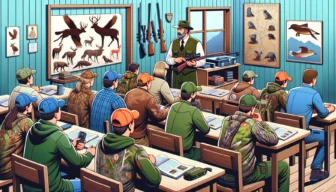
Nonresident Guide to Hunting in Alaska: Official Checklist
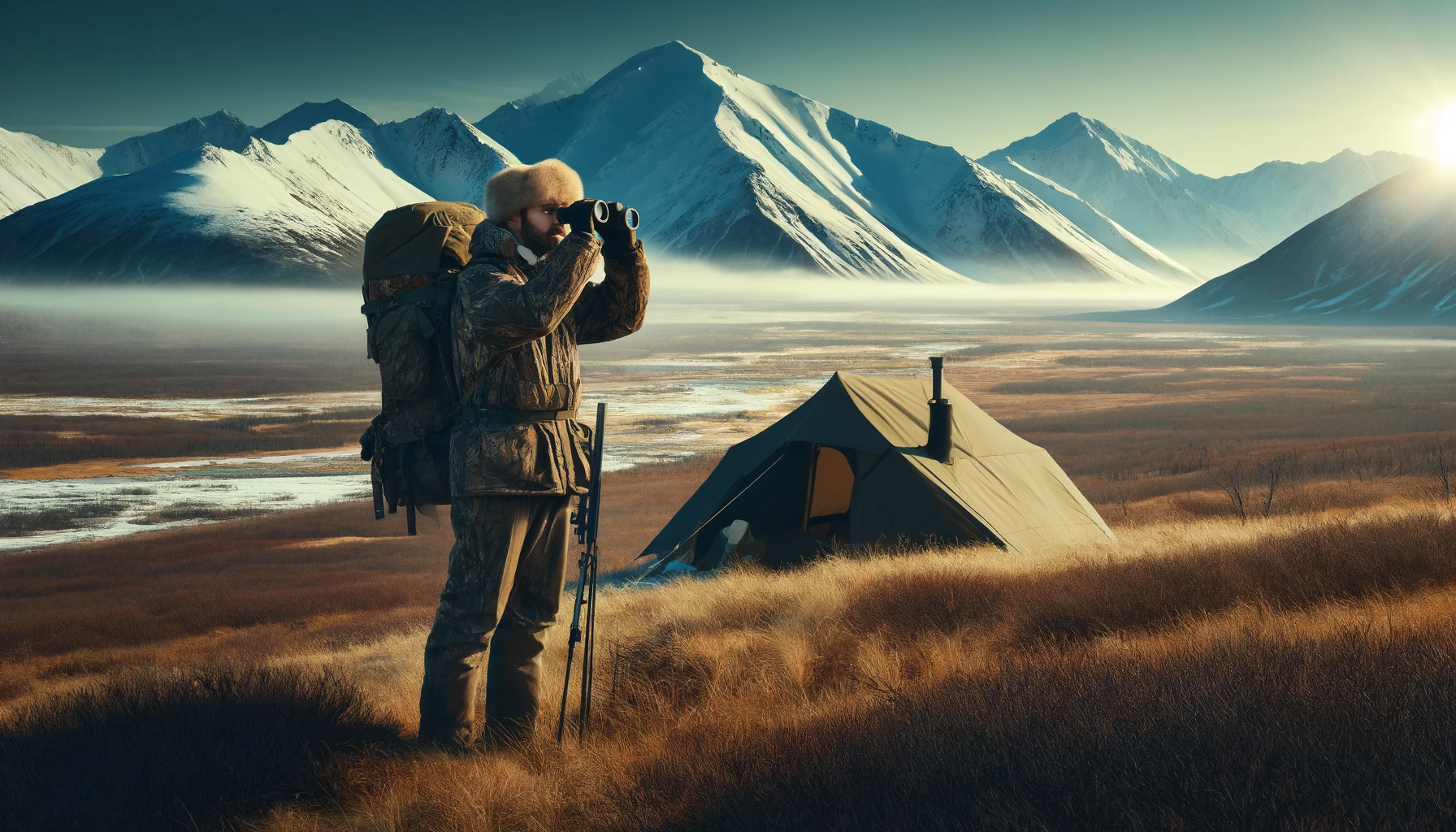
A nonresident hunting trip to Alaska starts with official rule checks, not a gear list. Before you choose a species, unit, outfitter, or travel date, confirm the current Alaska Department of Fish and Game regulations, license and tag requirements, guide requirements, maps, access rules, and reporting steps for the exact hunt.
This guide is a planning checklist for nonresident hunters. It does not replace Alaska regulations, and it should not be used as legal advice. Alaska rules can vary by species, unit, residency status, draw result, transport method, emergency closure, and year.
Table of contents
Quick Answer: What Should a Nonresident Check Before Hunting Alaska?
A nonresident should check the current Alaska hunting regulations, license and tag rules, draw or registration hunt requirements, guide requirements, unit maps, harvest reporting, salvage rules, transport plans, and emergency closures before booking travel.
- First stop: The Alaska Department of Fish and Game hunting pages.
- Biggest risk: Planning from old information or assuming resident and nonresident rules are the same.
- High-priority check: Whether the species requires a registered guide or qualifying resident relative for nonresident hunters.
- Logistics check: Flights, boats, weather delays, meat care, shipping, and emergency communication.
- Final check: Re-read the current rulebook close to the hunt in case closures or updates appear.
Start With Official Alaska Sources
The safest planning habit is to use Alaska’s official wildlife agency as the source of truth. A blog article can explain the checklist, but the agency decides the current rules.
Begin with the Alaska Department of Fish and Game hunting page. From there, move to the current regulations, licensing pages, draw information, hunt maps, guide requirement pages, and species-specific sections.
- Use current-year documents: Old PDFs, cached search results, and forum summaries can be wrong.
- Check the unit: Alaska is managed by game management units, and rules can change by unit and subunit.
- Check the hunt type: General, draw, registration, federal, subsistence, resident, and nonresident rules may differ.
- Check updates: Emergency orders and closures can change access or harvest rules.
License, Tags, and Draw Checks
Nonresident license and tag planning should happen before flights, lodging, or transporter deposits. The species you want to hunt may require a license, locking tag, drawing permit, registration permit, harvest ticket, or other authorization.
Use the official Alaska hunting license and tag information to confirm the current requirements. Do not rely on a price or tag list from an older article.
- License year: Confirm the license is valid for the hunt dates.
- Species tag: Some species require nonresident locking tags or other species-specific authorization.
- Draw deadlines: Some hunts require applications long before the season.
- Harvest ticket or permit: Know what must be carried in the field and what must be reported after the hunt.
- Federal land rules: Some areas can involve federal subsistence or access rules in addition to state rules.
Guide Requirements for Nonresidents
Some Alaska big-game hunts have special guide requirements for nonresidents. This is one of the most important checks because it can change the whole trip budget, timing, and legality.
Review the official Alaska guide requirement information before choosing a species. If a guide or qualifying relative is required, confirm the details directly through official Alaska sources and any licensed guide/outfitter you are considering.
- Species check: Confirm whether the animal you want to hunt has a nonresident guide requirement.
- Relationship check: If relying on a resident relative exception, verify the exact rule and documentation.
- Guide license check: Confirm the guide is properly licensed and suitable for the area and species.
- Contract check: Understand what is included: transportation, food, camp, meat handling, trophy care, and emergency support.
- Weather plan: Alaska travel delays can affect arrival, pickup, and meat care.
Species, Unit, and Season Planning
Alaska species planning needs more than choosing an animal from a list. Moose, caribou, deer, bear, sheep, goat, small game, and waterfowl can involve different units, season structures, tags, salvage rules, methods, and reporting steps.
- Species: Choose the animal, then read the species-specific regulation.
- Unit: Match the hunt to the game management unit and any subunit boundaries.
- Season: Confirm opening dates, closing dates, weapon restrictions, and emergency closures.
- Bag limit: Read sex, antler, horn, age, and permit conditions carefully.
- Salvage rule: Alaska can have strict meat salvage and trophy handling requirements.
When a rule uses terms such as “registration,” “drawing,” “harvest ticket,” “locking tag,” “full-curl,” “brow tine,” or “meat-on-bone,” stop and read the agency definition. Guessing can turn a good trip into a legal problem.
Maps, Access, and Logistics
Alaska access planning is a major part of the hunt. A legal tag does not solve aircraft pickup, boat travel, land status, weather delay, meat cooling, satellite communication, or route safety.
Use official Alaska hunting maps and unit resources as a starting point, then confirm land ownership, public access, transporter rules, and any federal or local restrictions that apply.
- Transporter: Confirm pickup windows, weather-delay plans, cargo limits, and communication procedures.
- Meat care: Plan for game bags, airflow, shade, cooling, and legal transport of meat.
- Emergency communication: Carry a satellite messenger or other reliable backup where cell service is absent.
- Navigation: Carry offline maps and backup power.
- Bear country: Plan food storage, camp hygiene, and recovery safety.
Safety, Meat Care, and Ethics
Alaska rewards preparation and punishes shortcuts. Nonresident hunters should plan for weather, distance, river crossings, bear encounters, meat weight, aircraft delays, and emergency medical limits before they ever focus on a shot opportunity.
- Know your limit: Do not take shots beyond your proven field ability.
- Know the salvage rule: Meat care is part of the legal and ethical hunt.
- Know your exit: Weather can delay pickup and change river or trail conditions.
- Know your partner plan: Share locations, check-in times, and emergency steps.
- Know when to turn around: A legal tag does not make unsafe conditions worth pushing.
For general outdoor safety in bear country, the National Park Service bear safety guidance is a useful baseline for food storage, surprise encounters, and camp behavior. Pair it with Alaska’s current hunting rules and your guide or transporter instructions.
FAQ
Can nonresidents hunt in Alaska?
Yes, but nonresidents must follow Alaska’s current license, tag, unit, species, permit, and guide requirements. Some hunts are more complicated than others, so verify the exact rules before planning travel.
Do nonresidents need a guide in Alaska?
Sometimes. Guide requirements depend on the species and the hunter’s situation. Check Alaska’s official guide requirement page before choosing a hunt.
Where should a nonresident check Alaska license rules?
Use the Alaska Department of Fish and Game license and tag pages. Do not rely on old price tables, cached search results, or unofficial summaries.
What is the best Alaska species for a nonresident hunter?
The best choice depends on budget, draw results, legal access, guide requirements, physical ability, transport, and meat-care plan. Start with legal feasibility before judging trophy potential.
What should be confirmed before booking an Alaska hunt?
Confirm license and tag requirements, draw or registration rules, guide requirements, unit boundaries, legal season dates, transporter details, meat-care logistics, and emergency communication.
Bottom Line
A nonresident Alaska hunt should be planned from official rules outward: license, tag, guide requirement, species, unit, access, weather, meat care, and safety. If any piece is unclear, contact Alaska Department of Fish and Game or a properly licensed professional before spending money or entering the field.