Competition AR-15 Setup: Match Rules, Safety, and Feature Checklist
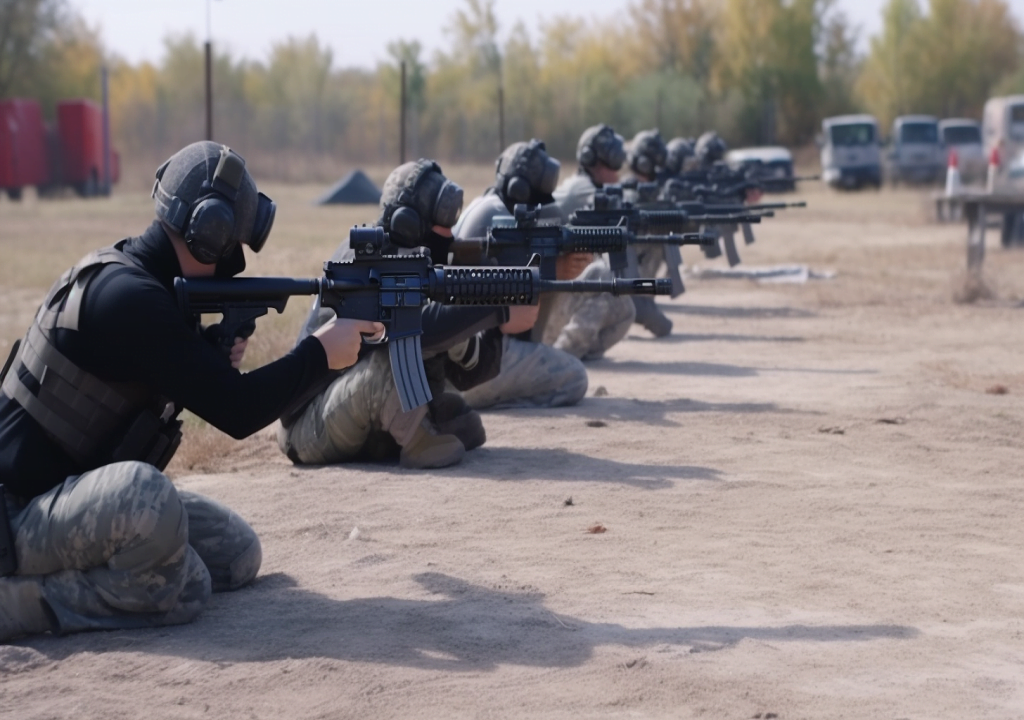
A competition AR-15 setup should be checked against match rules, range rules, firearm safety basics, and your actual skill level before you buy parts or change equipment. Different matches can treat divisions, optics, compensators, magazine capacity, slings, ammunition, and safety gear differently.
This guide is a rules-first feature checklist, not a build manual. It helps new competitors understand what to verify before showing up with an AR-style rifle for a local rifle, carbine, or multi-gun match.
Table of Contents
Quick Check
The best competition AR setup is the one that is legal for the match, safe on the range, reliable with your ammunition, and easy for you to control under time pressure.
- Rules: Read the match rulebook and division requirements before changing equipment.
- Safety: Know the range commands, muzzle direction, chamber flag rules, and unload procedures.
- Reliability: A rifle that runs cleanly matters more than a long list of upgrades.
- Fit: Stock, grip, handguard, and optic height should help you control the rifle safely.
- Practice: Dry handling, positional work, and range time often improve scores more than parts.
Match Rules Come First
Competition equipment choices should start with the exact match you plan to shoot.
Local rifle matches, 2-gun, 3-gun, outlaw matches, club carbine matches, and formal divisions may have different rules. Before buying parts, check the current rulebook, match page, and range briefing for allowed optics, muzzle devices, magazine capacity, slings, ammunition, safety flags, rifle condition, and start positions.
If a local match uses its own house rules, ask the match director before the event. A setup that is fine at one range may move you into a different division or be disallowed at another.
Safety And Range Readiness
Range safety matters more than equipment speed.
Review the NSSF firearm safety rules before any match. Keep the muzzle pointed in a safe direction, keep your finger off the trigger until the sights are on target and you are ready to fire, and know your target and what is beyond it.
Also read the range’s safety page and match briefing. Some ranges require chamber flags, specific bagging rules, eye and ear protection, cold-range procedures, or a safety orientation for first-time competitors. The broader NSSF safety resource page is a good place to reinforce those fundamentals.
Feature Checklist
Useful competition features should make the rifle safer, easier to control, or more reliable without breaking match rules.
- Reliable magazines: Use magazines that feed well and are allowed for the match division.
- Clear sights or optic: Choose a sighting setup you can use quickly without losing target awareness.
- Comfortable stock fit: Length of pull and cheek weld should support stable positions.
- Manageable handguard: The support hand should have a consistent, safe place to index.
- Safe sling setup: If the match uses slings, confirm attachment points do not interfere with controls.
- Readable controls: You should be able to operate controls without unsafe muzzle movement.
- Known ammunition: Use ammunition that is safe, allowed, and proven reliable in your rifle.
Fit, Controls, And Handling
A competition rifle should fit the shooter well enough to run safely from multiple positions.
Check how the rifle feels standing, kneeling, prone, and around barricades before assuming a feature helps. If a grip angle, stock position, sling mount, or optic height causes awkward movement, it may slow you down or create unsafe handling. Practice unloaded handling under range-safe conditions before taking a setup to a match.
Do not chase every upgrade at once. Change one thing at a time, confirm reliability, and keep notes on what actually improves control.
Optics And Sighting Setup
Your optic choice should match the target distance, division rules, and your ability to confirm hits.
Red dots can be fast at close range, low-power variable optics can help with mixed distances, and backup irons may be useful for some shooters. Check whether magnification, offset sights, illuminated reticles, or backup sights affect your division. Then zero the rifle and confirm the holdovers you need for the match distance.
Do not wait until match morning to learn your optic. A familiar, properly zeroed setup is better than a more expensive setup you cannot run smoothly.
Reliability Over Novelty
A match rifle should be boringly reliable.
Before competing, confirm that the rifle cycles your chosen ammunition, locks back when expected, feeds from your magazines, and stays zeroed. Clean and inspect the rifle according to the manufacturer’s manual. If you are not qualified to diagnose a mechanical problem, use a competent gunsmith instead of guessing.
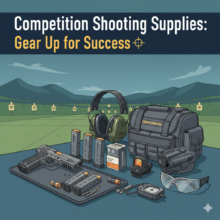
Reliability also includes your support gear: magazines, belt, pouches, sling, chamber flag, case, eye protection, ear protection, and any tools the match allows.
FAQ
What makes an AR-15 suitable for competition?
A suitable setup is legal for the match, safe to handle, reliable with known ammunition, and fitted well enough for the shooter to control under time pressure.
Should beginners upgrade an AR-15 before their first match?
Usually, beginners should first confirm match rules, bring a safe and reliable rifle, and learn the range procedures. Experience will show which changes matter.
Are all AR-15 accessories allowed in competition?
No. Accessories can affect division placement or be restricted by the match, range, or local law. Check the current rules before adding equipment.
What should I check before match day?
Check the rulebook, registration details, range commands, safety requirements, rifle zero, magazine function, ammunition, eye and ear protection, and required chamber flag or case rules.
Why does this page avoid AR-15 build instructions?
Because competition readiness is better handled through rules, safety, fit, and reliability checks. Detailed firearm modification work should be handled through manufacturer instructions, qualified training, or a competent gunsmith.
Final Check
Before taking an AR-style rifle to a match, write down the match rules, division, safety requirements, optic zero, magazine plan, ammunition, range commands, and gear checklist. If the setup is safe, legal, and reliable, you are in a better place than a shooter chasing upgrades without a plan.