Best Hunting Boots for Cold Weather
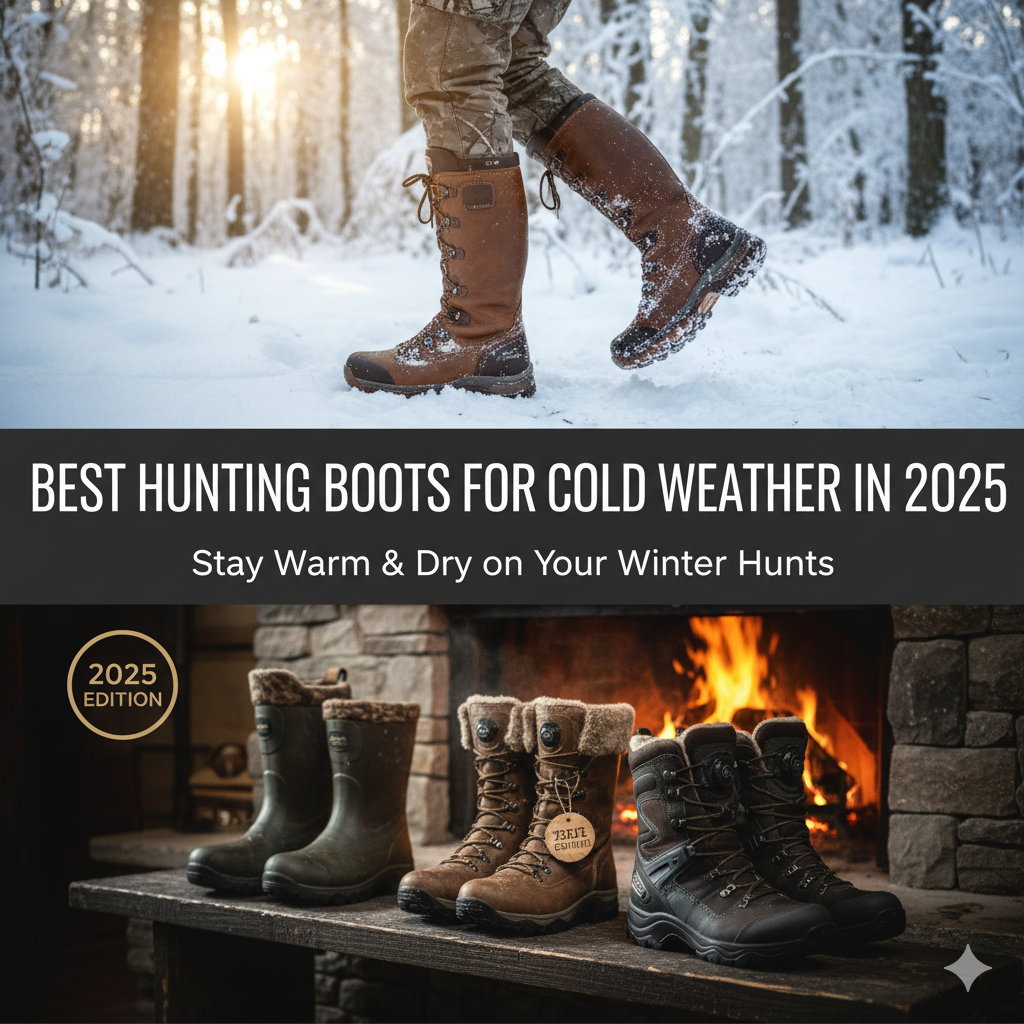
The best hunting boots for cold weather depend on how you hunt. If you sit still for hours in wet, freezing conditions, a tall insulated rubber boot usually makes more sense. If you hike, glass, climb, or cover uneven ground, an insulated leather lace-up gives better support and control. This guide keeps the list to seven boots because those are the rows with the strongest source and buyer-path evidence in this update.
Insulation grams are comparison points, not temperature guarantees. Your socks, circulation, activity level, wind, moisture, and how long you sit still all change how warm a boot feels. We do not claim current price, stock, Prime status, ratings, or review counts here because live Amazon availability could not be reliably refreshed during this pass.
Affiliate disclosure: As an Amazon Associate, TheShootingGears.com earns from qualifying purchases.
Table of Contents
Quick Picks
- Best active mountain boot: Kenetrek Mountain Extreme 400.
- Best traditional leather lace-up: Irish Setter Elk Tracker XD.
- Best cold, wet stand-sit boot: LaCrosse Alphaburly Pro 18-inch 1600G.
- Best colder active mountain boot: Kenetrek Mountain Extreme 1000.
- Best crossover utility boot: Muck Arctic Sport Mid.
- Best women’s active lace-up: Irish Setter VaprTrek Women’s.
- Best women’s cold/wet rubber boot: LaCrosse Women’s Alpha Agility 15-inch 1200G.
Comparison Table
| Boot | Best For | Insulation | Height | Amazon |
|---|---|---|---|---|
| Kenetrek Mountain Extreme 400 | Active mountain hunts | 400g Thinsulate | 10 in | View |
| Irish Setter Elk Tracker XD 3983 | Leather lace-up terrain support | 400g PrimaLoft | 10 in | View |
| LaCrosse Alphaburly Pro 18-inch 1600G | Cold, wet stand sits | 1600g Thinsulate Ultra | 18 in | View |
| Kenetrek Mountain Extreme 1000 | Colder active mountain hunts | 1000g Thinsulate | 10 in | View |
| Muck Arctic Sport Mid | Wet/cold utility and lowland hunts | Fleece, 5mm neoprene, thermal foam | 12 in | View |
| Irish Setter VaprTrek Women’s 3945 | Women’s active lace-up hunts | 400g PrimaLoft | 8 in | View |
| LaCrosse Women’s Alpha Agility 15-inch 1200G | Women’s cold, wet rubber-boot use | 1200g Thinsulate Ultra | 15 in | View |
How We Chose
We built this update from manufacturer spec pages and a prior ASIN identity review, not from hands-on field testing. We prioritized cold-weather roles that readers actually need: active mountain lace-ups, traditional leather hunting boots, tall insulated rubber boots, wet-cold utility boots, and women’s-specific options.
We excluded old products from the previous live article when the row did not match the stronger seven-product route. We also excluded old product images because the current package does not document image rights or exact variant proof for those files. That is why this version uses direct Amazon CTAs and original non-branded editorial visuals instead of individual product photos.
Best Hunting Boots for Cold Weather
Best Active Mountain Boot: Kenetrek Mountain Extreme 400
Best for: active mountain and backcountry cold-weather hunts where lace-up support matters more than maximum insulation.
The Kenetrek Mountain Extreme 400 is the lighter-insulation mountain boot in this lineup. Manufacturer specs list 400 grams of Thinsulate insulation, a 2.8mm leather upper, Windtex waterproof and breathable membrane, K-Talon outsole, 10-inch height, and 4.2 pounds per pair. It also lists Medium, Narrow, and Wide width options, which helps when fit matters on long hikes.
This is the boot to consider when you move enough to generate heat but still need insulation, waterproofing, ankle support, and traction. It is not the best choice for a motionless all-day stand sit in deep cold because 400 grams is moderate insulation compared with the higher-gram rubber boots below.
- Pros: supportive mountain build; multiple width options; waterproof/breathable membrane; strong terrain-control role.
- Cons: premium, stiff, and break-in dependent; moderate insulation only.
- Skip this if: you sit still for hours in deep cold and need maximum warmth more than hiking support.
Best Traditional Leather Lace-Up: Irish Setter Elk Tracker XD
Best for: hunters who want a traditional 10-inch leather lace-up with waterproofing, insulation, and rough-terrain support.
The Irish Setter Elk Tracker XD, Style 3983, is the more traditional leather boot in this group. Manufacturer specs list 400 grams of PrimaLoft insulation, UltraDry waterproofing, waterproof nubuck leather, a Vibram Bulls-Eye Air Bob Aggressive outsole, 10-inch height, and men’s sizes 8-14 in Regular D and Wide EE. Weight was not source-backed in this pass, so we are not listing one.
Compared with the Kenetrek Mountain Extreme 400, the Elk Tracker XD feels like the conventional hunting-boot lane: leather support, aggressive outsole, and wide sizing without the same mountain-stiff identity. It is still a 400-gram active-use boot, not a deep-cold stationary rubber boot.
- Pros: traditional leather support; Wide EE option; waterproofing system; aggressive outsole.
- Cons: no source-backed weight in this pass; no temperature guarantee; not a tall rubber boot.
- Skip this if: you mostly hunt flooded fields, deep snow, or long stationary sits.
Best for Cold, Wet Stand Sits: LaCrosse Alphaburly Pro 18-inch 1600G
Best for: very cold, wet stand sits, muddy whitetail hunts, and tall rubber-boot coverage.
The LaCrosse Alphaburly Pro 18-inch Realtree Edge 1600G is the dedicated cold-and-wet rubber boot in this article. Manufacturer specs list 1600 grams of Thinsulate Ultra insulation, waterproof hand-laid premium natural rubber over insulating neoprene, Alpha Construction, jersey liner, Burly Pro outsole, 18-inch height, and 5.5 pounds per pair.
This boot is built for wet ground and still cold sits rather than long, steep hikes. The height and rubber build help with mud and snow, but the slip-on fit will not feel as precise as a lace-up on sidehills. Also remember that waterproof construction does not stop water from entering over the top or sweat from building inside.
- Pros: high insulation; tall 18-inch coverage; waterproof rubber/neoprene construction; strong stand-sit role.
- Cons: heavy; less precise fit than lace-up boots; too much boot for many active hunts.
- Skip this if: you hike long distances or hunt milder conditions where heavy rubber becomes tiring.
Best Colder Active Mountain Boot: Kenetrek Mountain Extreme 1000
Best for: colder active mountain hunts where you still need lace-up support and terrain control.
The Kenetrek Mountain Extreme 1000 keeps the mountain-support role of the 400-gram model but steps insulation up to 1000 grams of Thinsulate. Manufacturer specs list a 2.8mm leather upper, Windtex waterproof and breathable membrane, K-Talon outsole, 10-inch height, 4.5 pounds per pair, and men’s Medium width in sizes 8-12, 13, and 14.
This is the Kenetrek choice when temperatures drop but you are still moving through mountain terrain. It is not as width-flexible as the 400-gram model in this source pass, and the added insulation can be too warm for mild days or constant uphill movement.
- Pros: warmer than the 400g version; mountain-support build; waterproof/breathable membrane; durable leather role.
- Cons: Medium-width-only verified; heavier and warmer; still not a tall rubber boot.
- Skip this if: you need multiple width options or you overheat easily while hiking.
Best Crossover Utility Boot: Muck Arctic Sport Mid
Best for: mud, snow, chores, lowland hunts, and wet/cold utility use when you want easy on/off convenience.
The Muck Arctic Sport Mid is the crossover boot here. Manufacturer specs list fleece and warm lining, a 5mm neoprene bootie, 2mm thermal foam under the footbed, 100% waterproof and MUCKPROOF rubber/neoprene construction, MS-1 lug outsole, 12-inch full height, and average weight of 2.50 pounds for a men’s size 10. Muck lists a comfort range, but we treat that as manufacturer guidance rather than a TSG guarantee.
This boot makes sense when you want a wet/cold boot for mixed duties. It is easier than tall rubber boots for quick use, but it offers less height than 15- or 18-inch options and less fitted support than a leather lace-up.
- Pros: easy on/off; waterproof rubber/neoprene construction; useful mid-height role; lighter than many tall rubber boots.
- Cons: less coverage than tall boots; not a lace-up support boot; manufacturer comfort range is not a guarantee.
- Skip this if: you need either maximum stand-sit warmth or mountain-boot ankle support.
Best Women’s Active Lace-Up: Irish Setter VaprTrek Women’s
Best for: women hunters who want a lighter lace-up boot for active cold-weather hunts.
The Irish Setter VaprTrek, Style 3945, is the women’s active lace-up row in this guide. Manufacturer specs list 400 grams of PrimaLoft insulation, UltraDry waterproofing, full-grain waterproof leather, abrasion-resistant nylon, Rubber Hex Lite outsole, 8-inch height, and women’s sizes 5-11 in Regular B and Wide D. Weight was not source-backed in this pass.
This boot fits the mobility lane: more precise than a slip-on rubber boot, easier for active walking, and available in women’s Regular and Wide widths. It does not have the height or heavy insulation of the tall rubber options, so it is not the best fit for long cold sits in wet ground.
- Pros: women’s-specific sizing; Regular and Wide widths; active lace-up role; waterproof leather/nylon upper.
- Cons: only 8-inch height; 400g insulation is moderate; no source-backed weight.
- Skip this if: you need tall rubber coverage for deep mud, wet snow, or cold still sits.
Best Women’s Cold/Wet Rubber Boot: LaCrosse Women’s Alpha Agility 15-inch 1200G
Best for: women hunters who need a tall insulated rubber boot for cold, wet ground.
The LaCrosse Women’s Alpha Agility 15-inch 1200G is the women’s tall rubber option. Manufacturer specs list 1200 grams of Thinsulate Ultra insulation, waterproof premium hand-laid rubber over 5mm neoprene, jersey liner, Alpha Construction, and 15-inch height. Weight and exact width options were not resolved in this source pass, so verify fit on the live listing before buying.
This is the better women’s choice for cold wet grass, mud, shallow snow, and lower-movement hunts. It is not meant to replace a fitted leather lace-up for steep hikes or sidehill-heavy terrain.
- Pros: tall 15-inch rubber coverage; 1200g insulation; waterproof neoprene/rubber build; women’s sizing lane.
- Cons: width and weight unresolved; less terrain support than lace-ups; can be too warm for high-output days.
- Skip this if: you need lace-up ankle support or a lighter active boot.
Buying Guide: How To Choose Cold-Weather Hunting Boots
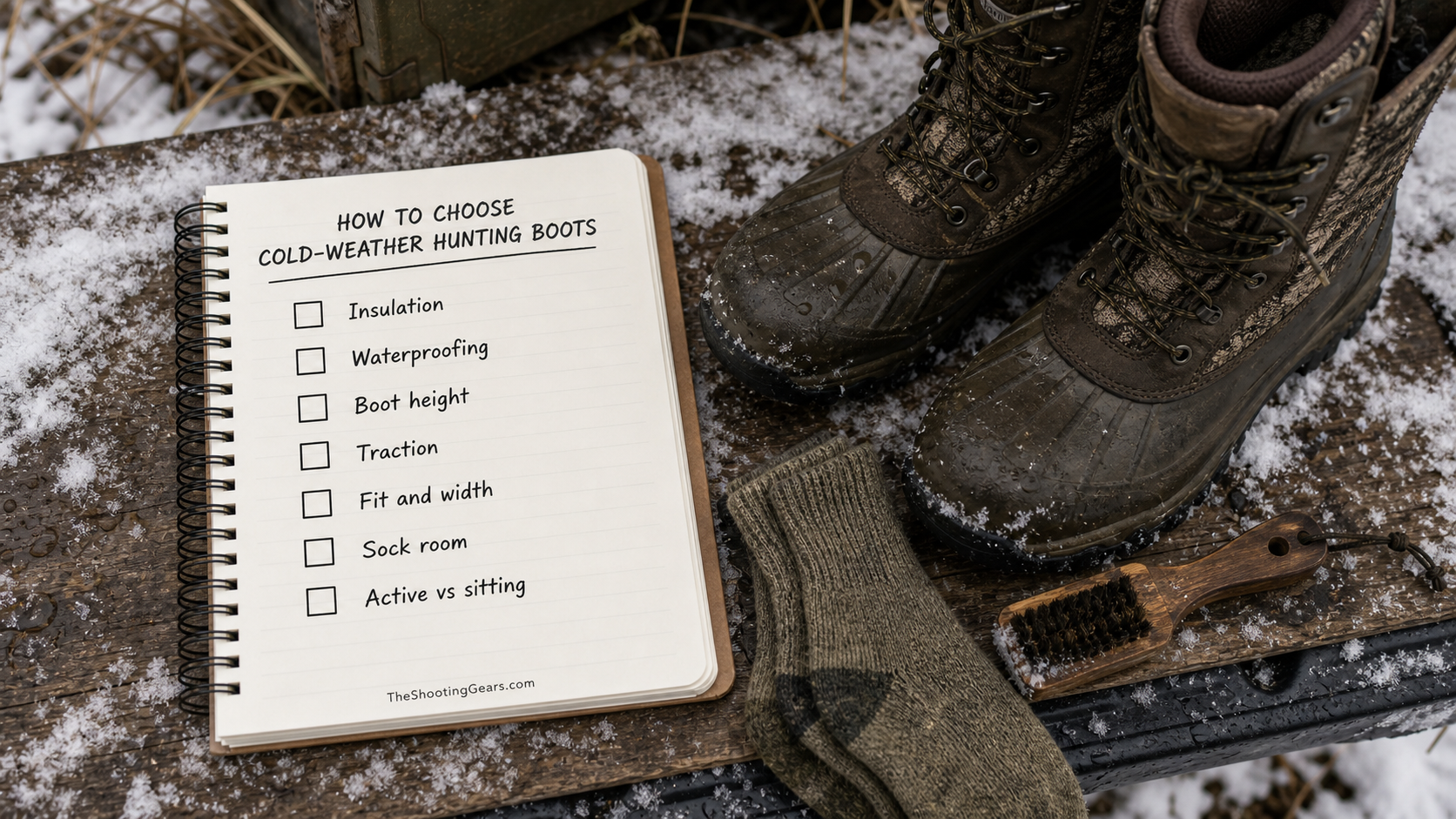
Start with the way you hunt. A boot that is perfect for a tree stand can feel miserable on a mountain hike. A supportive lace-up that feels great while moving may not hold enough warmth when you sit still for hours.
Insulation
Lower insulation, such as 400 grams, usually fits active hunters better. Higher insulation, such as 1000 to 1600 grams, makes more sense for colder and lower-movement hunts. Treat the gram number as a comparison tool, not a comfort promise.
Rubber vs leather
Rubber boots are strong for wet ground, mud, and still sits. Leather lace-ups are better for sidehills, long walks, and precise fit. Many serious hunters eventually keep one of each because the roles are different.
Boot height
An 8- to 10-inch boot is easier to walk in and still gives ankle coverage. A 15- to 18-inch rubber boot is better for mud, snow, and shallow water, but it adds weight and bulk.
Fit and sock room
Cold-weather boots should leave room for your actual hunting socks without crushing your toes. Tight boots can reduce comfort and make feet feel colder. Width options matter, especially if you wear thicker socks or have wider feet.
For broader cold-weather planning, the CDC/NIOSH cold stress guidance explains why keeping extremities dry and protected matters in cold conditions. The National Shooting Sports Foundation is also a useful broader resource for responsible hunting and shooting-sports preparation.
Cold-Weather Foot Safety
Cold feet are a comfort and safety concern. Keep feet dry, avoid socks that bunch or crowd your toes, and carry spare dry socks on long wet hunts. If your feet become numb or painful, warm up and reassess instead of pushing through.
Waterproof boots reduce water entering through the boot material, but they do not make your feet dry in every situation. Water can enter over the top, and sweat can build inside during hard hiking. Boot choice, sock choice, and pacing all work together.
Frequently Asked Questions
How many grams of insulation do I need for cold-weather hunting?
Active hunters often do better with moderate insulation, while hunters who sit still in deep cold often prefer higher insulation. Use the gram rating to compare boots, not as a guaranteed temperature rating.
Are rubber boots or leather boots warmer?
Neither material is automatically warmer. Insulation, fit, sock system, and activity level matter more. Rubber boots shine in wet, stationary conditions; leather lace-ups shine when you need support and control while moving.
Do waterproof hunting boots keep feet completely dry?
Not always. Waterproof construction helps stop water from soaking through the boot, but water can still enter over the top, and sweat can collect inside. Carrying dry socks helps on long hunts.
Can one pair of boots work for both hiking and stand sits?
A crossover boot can work for mixed use, but no single boot is perfect for steep active hunts and long deep-cold sits. If you do both often, consider an active lace-up and a tall insulated rubber boot.
Should women choose a women’s-specific hunting boot?
If the fit is better, yes. Women’s-specific sizing and width options can help, but the same rules apply: match insulation, height, support, and waterproofing to the way you hunt.
Final Recommendation
For active mountain hunts, start with the Kenetrek Mountain Extreme 400, or step up to the Kenetrek Mountain Extreme 1000 when colder conditions call for more insulation. For traditional leather support, the Irish Setter Elk Tracker XD is the most familiar lace-up option here.
For cold, wet, lower-movement hunts, the LaCrosse Alphaburly Pro 18-inch 1600G is the strongest stand-sit choice. The Muck Arctic Sport Mid is the easiest crossover utility boot. Women hunters should compare the Irish Setter VaprTrek for active lace-up hunts against the LaCrosse Women’s Alpha Agility for cold, wet rubber-boot use.