Summer Hunting Tips: 10 Safety, Heat, and Legal Checks
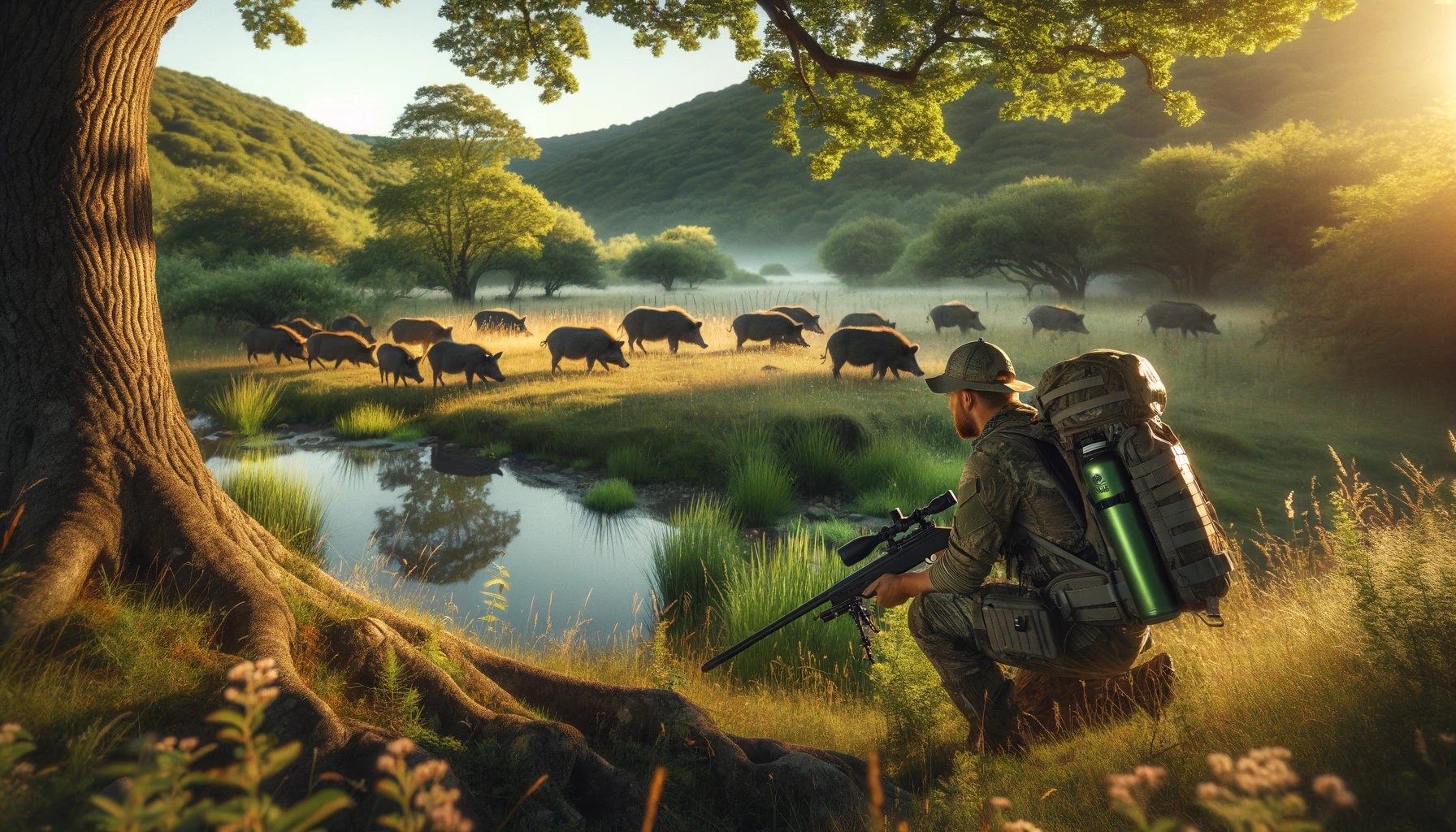
Summer hunts can be useful for scouting, invasive-species control, predator management, and skill practice, but they are not automatically legal or safe everywhere. Before you plan one, check state seasons, land access, heat warnings, fire restrictions, and whether the target species is open where you hunt.
The main summer hunting risks are heat stress, dehydration, spoilage, wildfire conditions, ticks, snakes, and rushed legal assumptions. This guide keeps the focus on safe planning and ethical decisions, not hype about hunting year-round.
Table of contents
Quick Answer: Are Summer Hunts Worth Planning?
Summer hunts can be worth planning when the species is legal, the heat is manageable, access is clear, and you have a recovery and meat-care plan. If any of those pieces are uncertain, use summer for scouting, range work, trail-camera checks, landowner permission, or habitat projects instead.
Do not assume “off-season” means open season. In many places, summer hunting is limited to specific species, nuisance/invasive programs, depredation permits, predator seasons, or private-land rules.
Legal Checks Before Any Summer Hunt
Check Seasons by Species
Look up the exact species, county, method, dates, bag limits, and weapon rules. A general hunting license is not enough if the season, species, or method is closed.
Verify Land Access
Public land may have different rules than private land. Some areas close roads, restrict fire use, limit target species, or require special permits during summer. Get landowner permission in writing where needed.
Check Local Fire Restrictions
Hot, dry weather can change legal access and safe behavior. Fire bans may affect camp stoves, vehicles parked over dry grass, target shooting, and camp setup. Check the land manager before the trip.
Confirm Transport and Carcass Rules
Some states have rules for carcass transport, disease zones, feral swine handling, and disposal. Know them before you have an animal on the ground.
Heat Safety for Summer Hunting
Heat is the biggest practical difference between summer hunting and fall hunting. The National Weather Service heat safety page warns that heat can become dangerous quickly, especially with physical effort, sun exposure, humidity, and poor hydration.
Plan Around Heat Index, Not Just Temperature
Humidity makes cooling harder. If the heat index is high, shorten the hunt, stay near shade and water, and avoid long pack-outs during the hottest part of the day.
Know Heat Stress Signs
The CDC/NIOSH heat stress guidance lists risk factors such as high temperature, humidity, direct sun, dehydration, physical exertion, health conditions, and certain medications. Watch for heavy sweating, dizziness, headache, weakness, confusion, cramps, nausea, or stopped sweating.
Carry More Water Than You Expect
Bring water for the hunt, the walk out, and a delay. Add electrolytes or salty food when sweat loss is high. Do not rely on finding water unless you know the source is present and treatable.
Set a Turnaround Rule
Decide before the hunt when you will stop based on time, temperature, water remaining, and distance from the vehicle. Heat decisions are harder after you are already tired.
Possible Summer Hunting Targets
Summer target options vary widely. Treat this section as a planning framework, not permission to hunt. Always verify local rules first.
Feral Hogs
In some states, feral hog hunting is common during warm months, especially on private land. The USDA APHIS feral swine program explains why feral swine are managed as an invasive species, but local hunting rules still control what you can do.
Predators and Varmints
Coyotes, prairie dogs, groundhogs, and similar species may have open seasons in some areas and restrictions in others. Confirm species ID, season, method, night-hunting rules, and landowner expectations.
Small Game or Birds
Do not assume rabbits, squirrels, doves, or other small game are open in summer. Many states set specific dates, youth opportunities, public-land restrictions, and migratory-bird rules.
Summer Scouting Strategy
Scout Water and Shade
Animals shift around heat. Water, shade, bedding cover, wallows, creek bottoms, and evening feeding areas often matter more than open travel routes in midday heat.
Use Cameras Carefully
Trail cameras can help, but check local public-land rules. Place cameras where they do not disturb other users, and avoid unnecessary visits during peak heat.
Read Sign Without Overpressuring the Area
Tracks, scat, rubs, wallows, rooting, dusting areas, and water use can tell you plenty. Do not keep walking through bedding cover just to confirm what the sign already shows.
Choose the Right Time of Day
Early Morning
Morning usually gives cooler air, better tracking conditions, and more time to handle recovery before peak heat. Start early enough that the pack-out is not happening at noon.
Late Evening
Evening can be productive, but it leaves less time for blood trailing, recovery, cooling meat, and getting out safely. Bring lights and a realistic recovery plan.
Midday
Midday summer hunting is often a poor tradeoff unless the location, weather, and distance are very controlled. Use that time for shade, glassing from a safe spot, or leaving the field.
Summer Hunting Gear
Clothing
Use lightweight, breathable layers that protect from sun, brush, and insects. A hat, sunglasses, sunscreen, and neck coverage can matter as much as camouflage.
Hydration Setup
Carry water where you can drink without stopping every time. A bladder works well for walking; bottles make it easier to track how much you have left. Many hunters carry both.
Navigation and Lighting
Dense summer foliage can make familiar ground look different. Carry offline maps, a compass, and a headlamp. Mark the vehicle, trailhead, and safe exit routes.
Insect and Snake Awareness
Ticks, mosquitoes, wasps, and snakes can change how you move. Use repellent where appropriate, check for ticks after the hunt, and avoid stepping or reaching where you cannot see.
Meat Care in Hot Weather
Recover Quickly and Safely
High heat gives you less time. Make careful shots, mark the location, and start recovery with enough water, light, and help to finish safely.
Cool Meat Fast
Bring coolers, ice, game bags, and a realistic transport plan. Skinning, quartering, airflow, and shade become more important as temperature rises.
Do Not Overcommit
If you cannot recover and cool an animal properly, pass the shot. Ethical hunting includes what happens after impact.
Fire, Vehicle, and Land Conditions
Park Safely
Hot exhaust can ignite dry grass. Park on bare ground, gravel, or established parking where possible. Avoid dragging chains, shooting near dry fuels, or using fire where restricted.
Check Closures Before Driving In
Summer access can change because of wildfire risk, storms, floods, road washouts, or habitat closures. Check agency alerts before you leave home.
Respect Other Users
Summer often means hikers, anglers, campers, and families are using the same lands. Know safe shooting directions, wear visibility where needed, and avoid crowded areas.
Ethics for Summer Hunts
Do Not Turn Practice Into Pressure
Use summer to improve marksmanship, glassing, calling, and scouting, but do not pressure animals or landowners just because the calendar feels quiet.
Avoid Bad Shots in Heat
Long recoveries are harder on hunters and animals when temperatures are high. Pass shots that leave poor recovery odds.
Protect the Place You Hunt
Pack out trash, close gates, avoid damaging roads, report issues when appropriate, and leave the area in better shape than you found it.
Related Guides
For more summer field planning, read our guides on high country hydration, altitude sickness prevention, ethical hunting practices, and feral hog shot placement.
FAQ
Is summer hunting legal?
Sometimes, but not everywhere and not for every species. Check your state wildlife agency, public-land rules, landowner permission, weapon method, and season dates before hunting.
What is the biggest summer hunting danger?
Heat is usually the biggest field risk. Dehydration, heat exhaustion, and poor judgment can develop faster than expected when you are hiking, packing gear, or recovering game.
What should I hunt in summer?
That depends on your state and land access. Some hunters focus on feral hogs, coyotes, groundhogs, prairie dogs, or other legal species, but you must verify local rules first.
How much water should I carry?
Carry more than you expect to need, and adjust for heat index, distance, shade, terrain, and pack-out effort. Also plan where you can safely refill or end the hunt if water runs low.
Is night hunting better in summer?
It can reduce heat exposure, but it adds legal, visibility, navigation, and safety issues. Check night-hunting laws, lighting rules, public-land restrictions, and landowner expectations before you go.
Can I use summer to prepare for fall hunting?
Yes. Scouting, range practice, map work, permission calls, camera checks, and gear testing can all make fall hunts better without pushing animals or risking heat stress.