5 Best Ear Protection for Shooting Ranges: Earplugs and Earmuffs
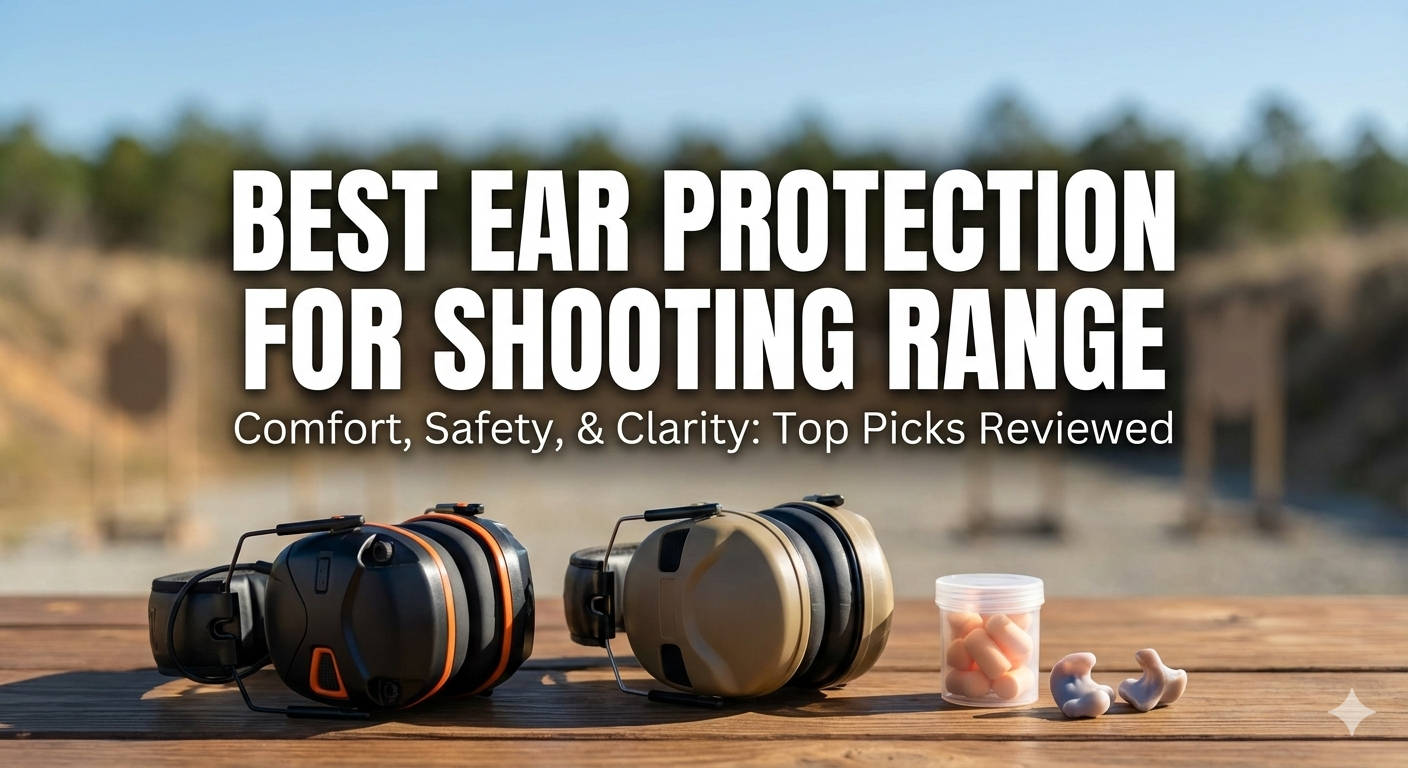
The best ear protection for a shooting range is the option that fits correctly, seals consistently, and matches the noise level around you. For many shooters, that means electronic earmuffs for outdoor range commands and plugs plus muffs for indoor lanes, short barrels, muzzle brakes, or long sessions.
NRR is useful for comparing products, but it is not a promise of real-world protection. The seal around your ears, plug insertion depth, eyewear arms, hat fit, and consistent use all matter. This guide keeps the recommendations practical: five proven product types, direct buyer links, and clear notes on who should skip each one.
Table of Contents
Quick Picks
| Pick | Best for | Type | Buyer link |
|---|---|---|---|
| Howard Leight Impact Sport | Budget electronic earmuff | Electronic over-ear muff | Check Amazon |
| 3M Peltor Sport Tactical 500 | Premium electronic earmuff | Electronic over-ear muff | Check Amazon |
| SureFire EP4 Sonic Defenders Plus | Reusable filtered earplug | Passive in-ear plug | Check Amazon |
| SureFire EP10 Sonic Defenders Ultra Max | Higher-attenuation reusable plug | Passive in-ear plug | Check Amazon |
| Decibullz Custom Molded Earplugs | Moldable passive fit | Custom-moldable earplug | Check Amazon |
How to Choose Shooting Range Ear Protection
Start with the range environment. Outdoor rifle and pistol ranges often favor electronic muffs because they help you hear commands while reducing loud impulse noise through the muff’s passive cup and electronic limiter. Indoor lanes are usually louder and more reflective, so many shooters wear properly inserted plugs under earmuffs.
Then check fit. Earplugs need the right size and insertion, while earmuffs need cushions that sit flat around safety glasses and hair. The CDC/NIOSH hearing protection guidance is clear that protection depends on correct selection, fit, and consistent use. The federal NRR labeling rules also make NRR a comparison label, not a guarantee for every shooter or every impulse-noise setting.
Best Ear Protection for Shooting Ranges
Howard Leight Impact Sport Electronic Earmuff
Best for: shooters who want an affordable electronic earmuff for outdoor range use, basic firearm classes, and general range commands.
The Howard Leight Impact Sport is a long-running budget electronic muff because it keeps the design simple: low-profile earcups, foldable storage, adjustable headband, and built-in microphones for hearing speech and range commands. The verified manufacturer details support a 22 dB NRR, approximately 350 hours of battery life, included AAA batteries, and automatic shutoff after four hours.
The low-profile cups help with rifle and shotgun stock clearance, which is one reason this model remains common on outdoor ranges. The tradeoff is that 22 dB NRR is modest for loud indoor bays. If you shoot indoors, near braked rifles, or around high-volume fire, treat this as the muff portion of a double-protection setup rather than your only layer.
- Pros: affordable electronic muff, low-profile cups, folds into a range bag, long stated battery life.
- Cons: modest NRR compared with stronger passive plugs or premium muffs; seal can be affected by eyewear.
- Skip if: you mainly shoot in loud indoor lanes and do not want to pair muffs with plugs.
3M Peltor Sport Tactical 500 Electronic Hearing Protector
Best for: shooters who want a more feature-rich electronic earmuff with a higher verified NRR than many budget electronic muffs.
The 3M Peltor Sport Tactical 500 is the premium muff in this lineup. The current 3M product page supports a 25 dB NRR for the selected TAC500-NS-8 product, plus low-profile cups with cushioned cut-outs, adjustable/foldable construction, and use for both indoor and outdoor shooters and hunters. It also supports AA battery use or a separately sold rechargeable battery option.
This is the better choice if you want electronic hearing protection but do not want to stay at the cheapest tier. The cup shape is still important: if your glasses have thick arms or your hat breaks the cushion seal, the real-world protection can drop. Bluetooth and electronics are convenience features; the actual protective value still depends on the physical cup seal and the product’s rated protection.
- Pros: verified 25 dB NRR for the selected model, premium electronic feature set, foldable design, indoor/outdoor positioning from 3M.
- Cons: costs more than entry electronic muffs; battery/runtime details should be checked on the current listing before buying.
- Skip if: you only need a low-cost outdoor range muff or prefer passive plugs under passive muffs.
SureFire EP4 Sonic Defenders Plus
Best for: reusable filtered earplug users who want a low-profile plug for outdoor ranges, hunting, classes, or under-muff use.
The SureFire EP4 Sonic Defenders Plus is a reusable filtered plug with a verified 24 dB NRR when the filter caps are inserted. SureFire supports small, medium, and large sizing, EarLock retention rings, and a low-profile shape that can work under hats, helmets, or supplemental earmuffs.
The main reason to choose the EP4 is awareness. Filtered plugs can be useful when you want some ambient hearing, but that also means you must understand how the filter caps work. Do not assume the same protection if the filters are opened, removed, poorly seated, or sized wrong. For indoor range use, the EP4 is often more sensible as the plug layer beneath muffs.
- Pros: reusable, low-profile, multiple sizes, useful under muffs, verified 24 dB NRR with caps inserted.
- Cons: fit and filter-cap position matter; not the highest attenuation plug in this guide.
- Skip if: you want a full-block plug that prioritizes maximum isolation over ambient awareness.
SureFire EP10 Sonic Defenders Ultra Max
Best for: shooters who want a higher-attenuation reusable plug and do not need filtered ambient hearing.
The SureFire EP10 Sonic Defenders Ultra Max is the stronger SureFire plug in this guide. The verified SureFire page supports a 30 dB NRR, Comply Canal Tips, EarLock retention rings, detachable lanyard, case, extra tips, and S/M/L sizing. Unlike filtered plugs, this is a full-block style option, so it is built more around reducing sound than preserving natural awareness.
That makes the EP10 a strong candidate for shooters who want reusable plugs under muffs or for times when hearing conversation is less important. The tradeoff is awareness: full-block plugs can make range commands harder to hear, especially if worn under passive muffs. Make sure you can still follow range rules and commands before stepping to the line.
- Pros: verified 30 dB NRR, reusable, includes fit accessories, strong under-muff plug candidate.
- Cons: reduces ambient awareness more than filtered plugs; seller/variant should be checked before purchase.
- Skip if: you need electronic amplification or filtered hearing for conversation and commands.
Decibullz Custom Molded Earplugs 31dB NRR
Best for: shooters who want a moldable passive plug with a more personalized fit than basic disposable foam.
Decibullz Custom Molded Earplugs use moldable thermoplastic earpieces with multiple silicone and foam tips. The verified manufacturer page states an independently lab-tested 31 dB NRR and lists shooting as one supported use. The big advantage is fit customization: if standard plugs often loosen or feel uncomfortable, the moldable body can help the plug sit more consistently.
Do not treat consumer-molded plugs as the same thing as audiologist-made custom protection. You still need to mold them correctly, confirm the seal, and remold if the fit is wrong. For indoor range use, they can be a strong plug layer under muffs, especially for shooters who dislike disposable foam.
- Pros: verified 31 dB NRR, remoldable fit, multiple tips, useful for shooters who struggle with generic plugs.
- Cons: fitting process matters; not electronic; not equal to professional custom hearing protection.
- Skip if: you want amplification, Bluetooth, or a disposable plug you can hand out to guests.
Shooting Ear Protection Buying Guide
For range use, think in layers. Earplugs seal the ear canal, earmuffs cover the outer ear, and electronic models help with speech while still depending on passive protection. The NSSF reminds shooters to wear eye and ear protection, and the same range bag should include both.
Double protection is worth considering indoors or around especially loud setups. That does not make noise harmless, and it does not replace range rules, but it gives you two seals instead of one. If you cannot hear commands with plugs plus muffs, step back and choose a safer communication plan before shooting.
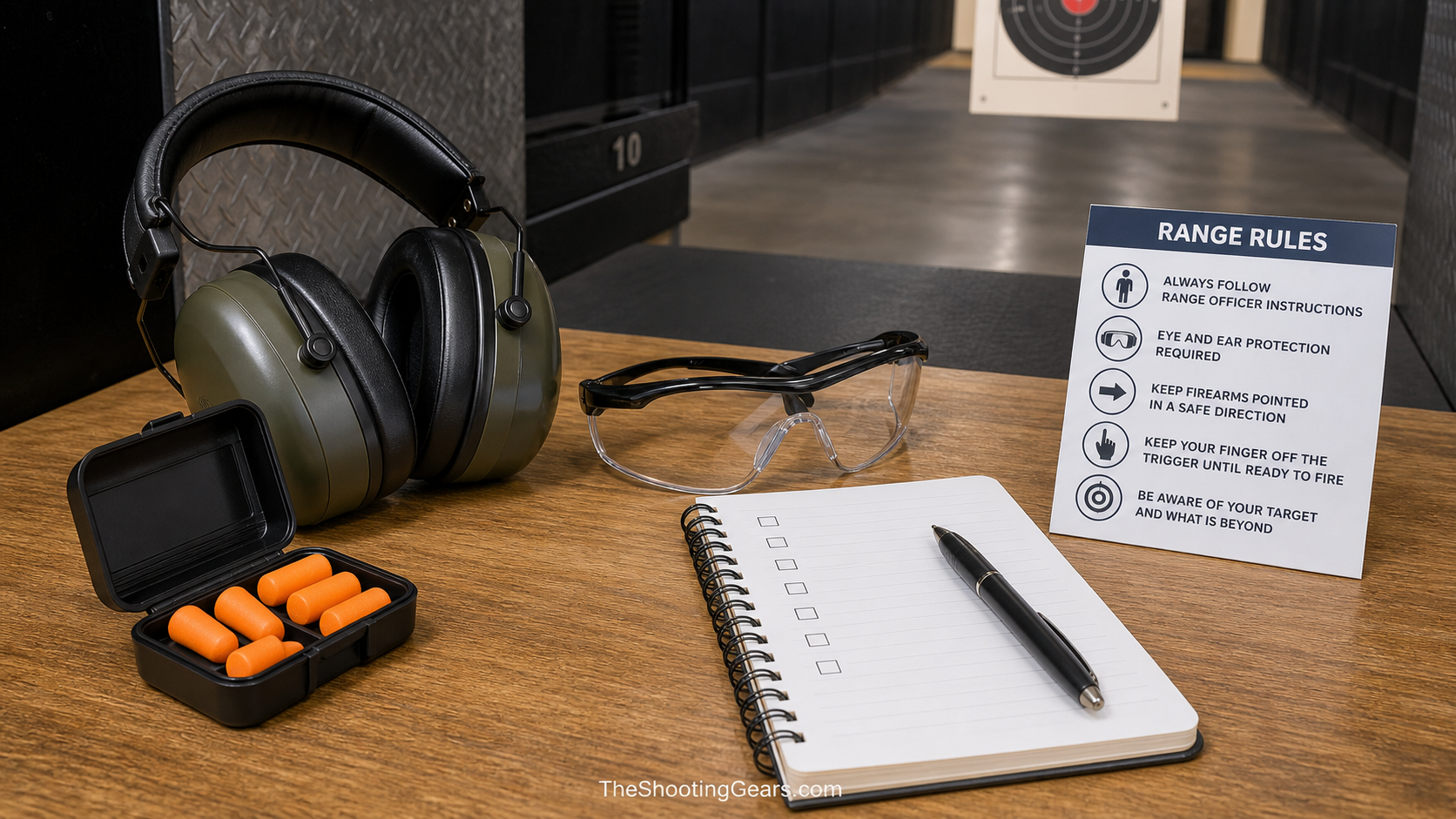
When comparing products, read NRR as a lab label, then decide whether the product can actually seal on your head or in your ear. Thin eyewear arms usually work better with muffs than thick arms. Foam and reusable plugs need clean hands and correct insertion. Electronic earbuds vary by tip, so do not use one rating for every tip style unless the manufacturer states it clearly.
Also keep general safety in view. Hearing protection is one part of range behavior, not a substitute for muzzle discipline, commands, and safe handling. The NSSF firearm safety rules are a good refresher before any range trip.
FAQ
Are earplugs or earmuffs better for shooting?
Neither is automatically better. Earplugs can provide strong canal sealing when inserted correctly, while earmuffs are easier to put on and remove. Many indoor shooters use both. The best choice depends on fit, range noise, comfort, and whether you need to hear commands.
Is electronic hearing protection enough for indoor ranges?
Sometimes, but do not assume it is enough for every indoor lane. Indoor ranges reflect sound, and short barrels or muzzle brakes can be harsh. Many shooters add foam or reusable plugs under electronic muffs for more conservative protection.
What NRR should I look for?
Higher NRR can help, but fit is just as important. A high-rated plug that is barely inserted may protect less than a lower-rated product that seals correctly. Use NRR to compare products, then choose the model you can wear correctly every time.
Can active noise cancellation protect hearing from gunfire?
Do not rely on consumer active noise cancellation unless the product is also rated and labeled as hearing protection. Shooting protection depends on the product’s protective design, seal, and rating, not only electronic sound processing.
Final Recommendation
If you want one affordable starting point, choose the Howard Leight Impact Sport for outdoor range use and add quality plugs for indoor lanes. If you want a stronger premium muff, look at the 3M Peltor Tactical 500. If you prefer plugs, the SureFire EP10 and Decibullz are the stronger passive picks, while the SureFire EP4 is the better reusable filtered option.