Simple Hunting Gear: Hunt Lighter Without Cutting Safety
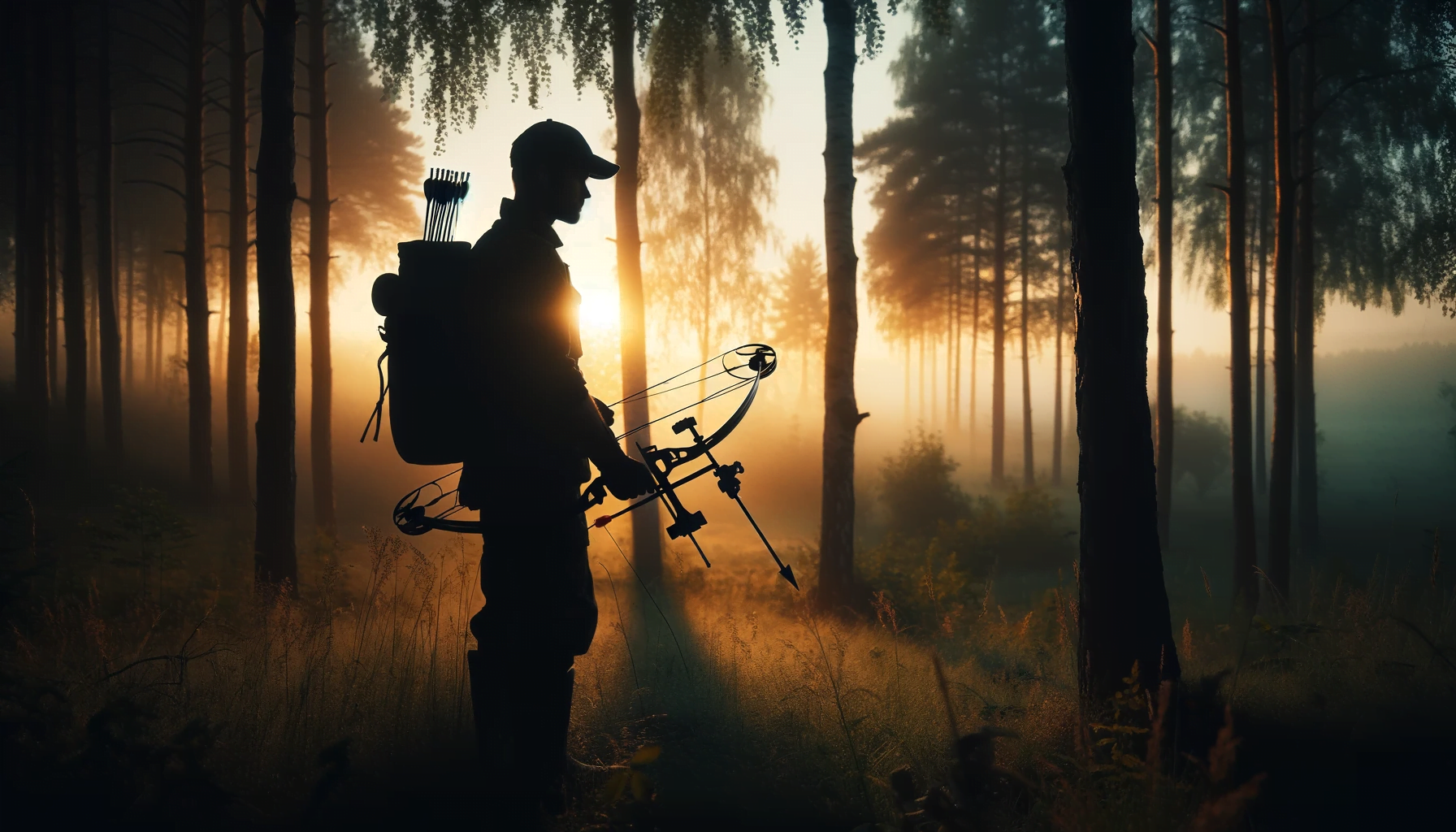
Hunting with less gear can make you quieter, more mobile, and more focused. But simple does not mean careless. A good lightweight kit keeps the items that protect safety, legality, navigation, weather readiness, and meat care, then cuts the extras that mostly add weight or distraction.
This guide is for hunters who want a simpler field setup without turning the hunt into a stunt. Keep the license, required clothing, safe weapon setup, map, first aid, water, light, and emergency plan. Remove duplicate tools, untested gadgets, and comfort items that do not fit the hunt. The goal is not to prove toughness. The goal is to move better, make cleaner decisions, and respect the land.
Table of contents
Quick Answer: How Do You Hunt With Less Gear Safely?
Start by separating required gear from optional gear. Required gear keeps you legal, safe, oriented, warm or cool enough, visible where required, and able to care for harvested game. Optional gear is anything that only adds comfort, convenience, or backup for a low-risk problem. Cut optional items first.
A lighter pack should still answer five questions: Can I hunt legally? Can I get back safely? Can I handle weather? Can I make an ethical shot? Can I recover and care for game? If the answer to any question is no, the pack is too light.
The Simple Rule
Cut weight from convenience, not from safety. Leave the third knife at home before you leave the first aid kit. Leave the extra gadget at home before you leave the map. Leave duplicate comfort items before you leave rain protection.
What Simple Hunting Gear Really Means
Simple hunting gear means every item has a clear job. It does not mean old-fashioned gear, expensive ultralight gear, or no technology. A GPS, rangefinder, or phone map can be useful if it fits the hunt and you know how to use it. The problem is carrying tools you have not practiced with or packing so much that you move slowly and make poor decisions.
Think of simplicity as discipline. You decide what the hunt actually requires, then pack for that hunt instead of packing for every possible hunt. A half-day small-game hunt near the truck is different from an all-day public-land deer hunt in cold rain.
Simple Is Not the Same as Minimal
Minimal can become risky when it ignores weather, injury, navigation, or meat care. Simple is different. Simple keeps the essentials and removes the noise. It should make the hunt safer and clearer, not more fragile.
What You Should Never Cut From a Hunting Pack
Some items should stay in the pack even when you are trying to go lighter. They may not feel exciting, but they solve serious problems. A light, a map, water, a first aid kit, and weather protection matter more than most hunting accessories.
Use official guidance when safety is involved. Hunter education programs, public-land agencies, and Leave No Trace all point toward planning, safe conduct, and low-impact field behavior. Firearm hunters should also review basic handling rules such as the NSSF firearm safety rules. A lighter kit should support those basics, not work against them.
Keep These Items Unless the Hunt Clearly Does Not Need Them
- License, tags, permits, and regulation notes.
- Map, compass, GPS, or offline phone map with battery plan.
- Headlamp or flashlight plus backup power or spare battery.
- First aid kit and any personal medication.
- Water, snacks, and a plan for longer-than-expected time outside.
- Weather layer, rain shell, or insulation that fits the forecast.
- Blaze orange or other required visibility clothing.
- Knife, gloves, game bags, and cooling plan if harvest is possible.
Gear You Can Often Reduce
Most hunters can cut weight by removing duplicates. Two knives may make sense on some hunts; four usually do not. A large battery bank may be useful on a multi-day trip; it may be too much for a short sit near familiar access. Extra calls, extra clothing, too many snacks, unused camera gear, and backup gadgets often add up fast.
Be honest about what you used on the last few hunts. If an item has stayed buried in the pack for a full season and does not solve a safety problem, it belongs on the review list. Put it in the truck, not on your back, until the hunt actually calls for it.
Common Places to Save Weight
- Extra knives and tools that do the same job.
- Bulky clothing layers that do not match the forecast.
- Calls for species you are not hunting that day.
- Large optics when terrain only needs compact glass.
- Camera gear that distracts from the hunt.
- Food and water amounts that do not match distance, heat, or time out.
Skills That Let You Carry Less
Skill is what makes a simpler kit work. If you can read a map, judge weather, move quietly, identify sign, use your weapon safely, and care for meat, you need fewer backups. If those skills are weak, extra gear can hide the problem for a while, but it will not fix it.
Practice before the season. Walk with your pack. Shoot from field positions. Learn your local terrain. Review basic first aid. Practice using a compass even if you prefer phone maps. The more familiar the basics become, the less you need to fuss with gear while hunting.
Skills Worth Practicing First
- Reading wind and choosing quiet access routes.
- Using a map and compass without cell service.
- Shooting from kneeling, seated, supported, and standing positions.
- Knowing your realistic shot distance.
- Field dressing and cooling game properly.
- Leaving a clear trip plan with someone at home.
Ethics, Fair Chase, and Public-Land Manners
Simple hunting should also mean cleaner conduct. That includes respecting other hunters, staying legal, avoiding crowding, packing out trash, closing gates, protecting habitat, and passing shots that are not right. Gear choice is only one piece of the hunt. Conduct matters more.
The Boone and Crockett Club fair chase statement is a useful outside reference for ethical hunting. The Leave No Trace Seven Principles are also useful for public-land behavior. For a site-specific companion, read our ethical hunting practices guide.
Do Not Use Simplicity as an Excuse
A lighter setup does not excuse poor recovery effort, unsafe shots, trespass, or ignoring weather. If simple gear makes you less prepared for the hunt you chose, it is the wrong setup. Change the plan or add the needed gear.
Simple Hunting Pack List
This list is a starting point, not a universal rule. Adjust it for species, season, terrain, state law, and distance from help. Cold weather, backcountry hunts, waterfowl hunts, and late-day recoveries need more planning than a short morning close to the truck.
- Legal: license, tags, permits, written permission if needed.
- Safety: first aid, light, whistle, emergency contact plan.
- Navigation: map, compass, GPS or offline map, power plan.
- Weather: layers, rain shell, gloves or hat as needed.
- Hunting: legal weapon, ammunition or arrows, optics if useful.
- Game care: knife, gloves, game bags, cord, cooling plan.
- Basic comfort: water, food, small repair item, seat pad if needed.
Use a Truck Box for Maybes
One good compromise is a truck box. Keep extra layers, tools, food, water, and backup items in the vehicle. Carry only what the actual hunt needs. This keeps your pack light without leaving every backup at home.
How to Test a Lighter Setup
Do not test a stripped-down kit on a hard hunt. Start with a low-risk outing close to familiar access. Note what you used, what you missed, what stayed untouched, and what would have mattered if weather changed or recovery took longer.
After each hunt, repack on purpose. Do not just add items back because you feel nervous. Ask what problem each item solves. If the problem is real and likely, keep it. If the problem is vague or already solved by another item, leave it out next time.
A Three-Hunt Review Works Well
Give yourself three hunts before making a final decision. One hunt can be unusual. Three hunts show patterns. If the same item stays unused and does not protect safety, legality, weather, or meat care, it may not belong in your normal pack.
FAQ
Is simple hunting gear better?
It can be better when it helps you move well and think clearly without cutting safety or legal requirements. It is not better if it leaves you unprepared for weather, navigation, recovery, or emergencies.
What should I remove from my hunting pack first?
Start with duplicate tools, unused gadgets, extra calls, bulky comfort items, and clothing that does not match the forecast. Do not start by removing safety, navigation, water, light, or required gear.
Can technology still fit a simple hunting setup?
Yes. A phone map, GPS, rangefinder, or compact optic can fit a simple setup if it solves a real problem and you know how to use it. The issue is unnecessary gear, not technology by itself.
How much should a day hunting pack weigh?
There is no perfect number. Terrain, weather, distance, species, and your body all matter. A better question is whether every item has a job and whether you can carry the pack safely for the whole hunt.
Does carrying less make hunting more ethical?
Not by itself. Ethical hunting comes from legal conduct, fair chase, safe shots, recovery effort, respect for land, and good judgment. Carrying less can support those things if it helps you stay focused and prepared.
What is the biggest mistake when cutting gear?
The biggest mistake is cutting items that protect safety while keeping items that only add convenience. Keep the essentials first. Cut the clutter second.
Final Thoughts
A simpler hunting setup should make you safer, quieter, and more deliberate. Keep what protects you, keeps you legal, helps you navigate, and lets you care for game. Remove what adds weight without solving a real problem. The best pack is not the smallest pack. It is the one that fits the hunt and lets you make good decisions.