How to Reduce Recoil for Better Accuracy
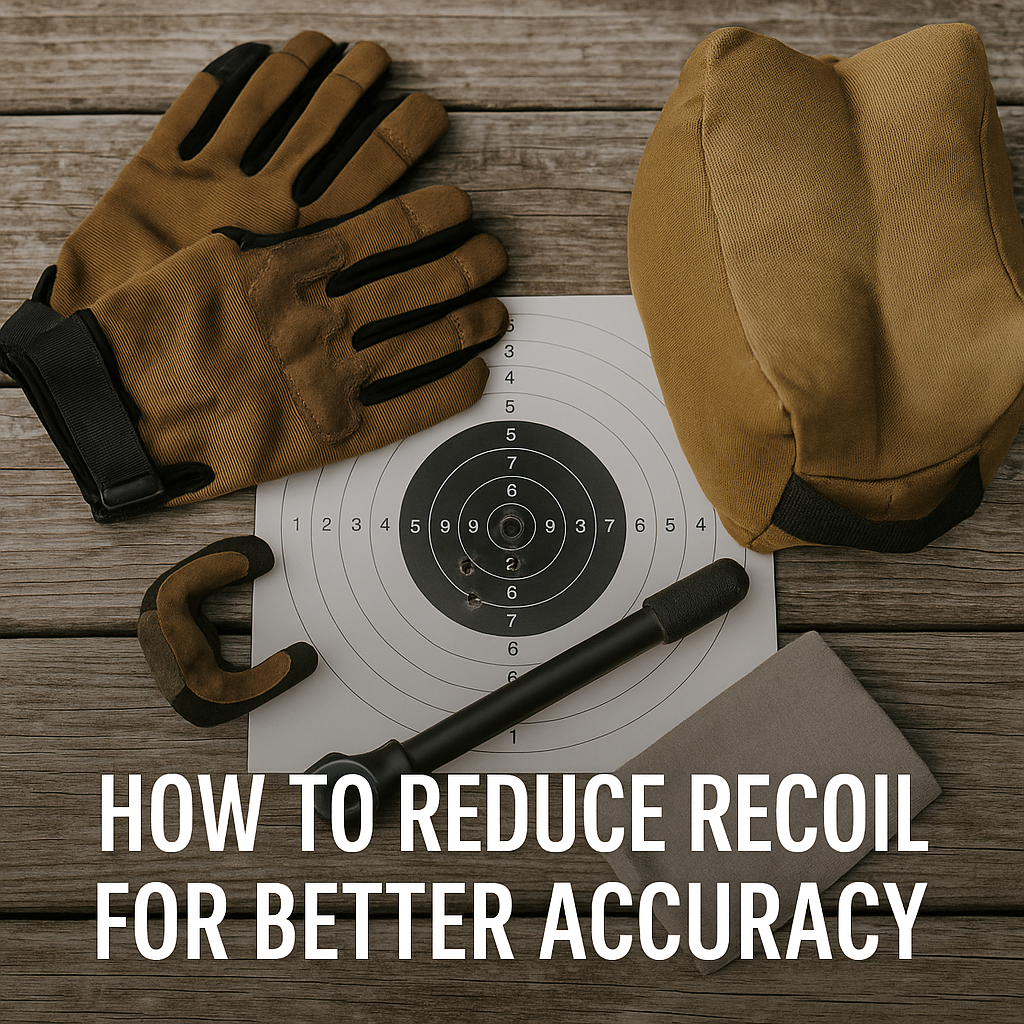
Reducing recoil for better accuracy starts with fit, stance, grip, trigger control, and realistic practice. Gear can help, but it cannot replace safe fundamentals. The goal is to manage recoil consistently so the sights lift predictably, return naturally, and your shots stay repeatable.
Table of contents
Quick Answer
To reduce recoil for better accuracy, use a firearm that fits, keep a stable stance, hold consistent grip pressure, press the trigger smoothly, and practice with ammunition you can control. If recoil causes flinching, step down to a lower-recoil setup for training before returning to heavier loads.
Most Important Fix
The biggest improvement usually comes from consistency. A repeatable grip, shoulder position, cheek weld, and trigger press will do more for accuracy than chasing every accessory.
When Gear Helps
Recoil pads, proper stock fit, muzzle devices where legal, heavier firearms, and appropriate ammunition can help. They work best after the shooter already has safe fundamentals.
Safety First
Before working on recoil control, review the NSSF firearm safety rules. Keep the muzzle pointed in a safe direction, keep your finger off the trigger until ready to shoot, know your target and what is beyond it, and follow range commands.
Use the Right Ammunition
Only use ammunition that matches the firearm markings and manual. For safety context, SAAMI explains why unsafe firearm and ammunition combinations must be avoided.
Stop When Fatigue Shows Up
Recoil fatigue can create bad habits. If you start flinching, pushing the muzzle, blinking hard, or losing safe control, pause the session. More rounds are not always better practice.
Fit and Setup
Fit is one of the most overlooked recoil factors. A rifle or shotgun that is too long, too short, too light, or poorly shaped can make recoil feel sharper and make accurate shooting harder.
Rifle and Shotgun Fit
Length of pull, comb height, recoil pad shape, and cheek weld all matter. The firearm should mount naturally without stretching your neck, lifting your head, or placing the butt awkwardly on the shoulder.
Handgun Fit
For handguns, grip size and trigger reach affect recoil control. If the grip is too large or too small, the shooter may steer the gun during the trigger press or lose control during recoil.
Stance, Grip, and Body Position
Good recoil control uses the whole body. The firearm should recoil into a stable structure, not into loose joints or a collapsing position.
Rifle Position
Keep the butt seated firmly in the shoulder pocket, maintain a consistent cheek weld, and support the rifle so it tracks straight back. Avoid leaning away from recoil.
Handgun Position
Use a balanced stance, firm support-hand pressure, and locked-in wrist alignment. The goal is not to freeze the gun in place, but to let it recoil and return consistently.
Trigger Control and Follow-Through
Recoil anticipation often hurts accuracy before recoil actually happens. A clean trigger press and good follow-through help you avoid pushing, jerking, or dipping the muzzle before the shot breaks.
Watch the Sights
Watch what the sights do during and after the shot. If they dip before recoil, the issue is anticipation. If they lift and return predictably, your recoil management is improving.
Do Not Rush the Next Shot
Accuracy comes from seeing the sights return and confirming the next shot. Speed should come after control, not before it.
Ammunition and Load Choice
Ammunition changes recoil. Bullet weight, velocity, powder charge, firearm weight, and stock design all affect how recoil feels. For practice, a manageable load can help you build skill without developing a flinch.
Training Loads
Lower-recoil training ammunition, rimfire practice, or reduced-power options can help when used safely and legally. Confirm point of impact again before switching back to hunting or defensive loads.
Hunting Loads
For hunting, choose ammunition that is legal, accurate, and appropriate for the animal. Do not choose the hardest-kicking load if it makes you flinch or shoot poorly.
Recoil-Reducing Gear
Gear can reduce felt recoil, but every option has tradeoffs. A recoil pad may help comfort. A heavier firearm may move less but carry worse. A muzzle brake may reduce recoil but increase blast and noise. Use proper eye and ear protection, and follow range rules.
Recoil Pads and Stock Fit
A good recoil pad can spread force and improve comfort. Stock fit can be even more important because poor fit sends recoil into the shooter awkwardly.
Muzzle Brakes and Suppressors
Muzzle devices may be regulated and can change noise, blast, length, and handling. Verify local rules and range policies before using them.
Diagnose Recoil Anticipation
Recoil problems often start before the shot. If the shooter expects pain, noise, or blast, the body may tighten, blink, dip the muzzle, or pull the shot off target. The fix is to make practice observable. Watch the sights, slow the pace, and use a setup that lets you see what happens instead of simply enduring more recoil. Treat each session as skill-building, not punishment.
Use Short Strings
Short practice strings help you stay honest. Fire a few careful shots, pause, and check whether the sights are lifting and returning predictably. If accuracy gets worse as the session continues, fatigue or anticipation may be taking over. Record what changed between good and bad groups so the next session has a clear focus.
Separate Noise From Push
Some shooters react more to blast than recoil. Better hearing protection, outdoor practice where appropriate, or lower-blast setups can help the shooter focus on sight movement and trigger control. Keep proper hearing protection on every time you shoot.
Practice Plan
- Start with safe handling and a firearm you can control.
- Use short practice strings instead of long fatigue-heavy sessions.
- Mix dry practice with live fire where appropriate and safe.
- Use manageable ammunition while building fundamentals.
- Watch the sights during recoil and recovery.
- Stop when flinching or fatigue begins to take over.
Common Mistakes
- Buying recoil gear before fixing fit and fundamentals.
- Practicing with ammunition that causes flinch.
- Leaning away from the firearm.
- Changing grip pressure at the moment of firing.
- Shooting too many rounds after fatigue starts.
- Ignoring noise and blast as part of recoil sensitivity.
FAQ
Does heavier firearm weight reduce recoil?
Usually, yes. A heavier firearm often has less felt recoil, but it may be harder to carry or hold steady for some shooters.
Can a muzzle brake improve accuracy?
It can help some shooters by reducing recoil, but it also increases blast and may not be allowed everywhere. Accuracy still depends on fundamentals, ammunition, and firearm setup.
Why do I flinch before recoil?
Flinching usually comes from anticipating noise, blast, or recoil. It can happen before the firearm moves. Lower-recoil practice, dry practice, and instructor feedback can help.
Should beginners start with smaller calibers?
Often, yes. A manageable caliber helps beginners learn sight picture, trigger control, and follow-through without building recoil anxiety.
Final Takeaway
Recoil control is a system: fit, stance, grip, trigger control, ammunition, gear, and practice all work together. Start with safety and consistency, then use gear and load choices to support the fundamentals you can already repeat.