How to Train Hunting Dogs: Foundation Skills First
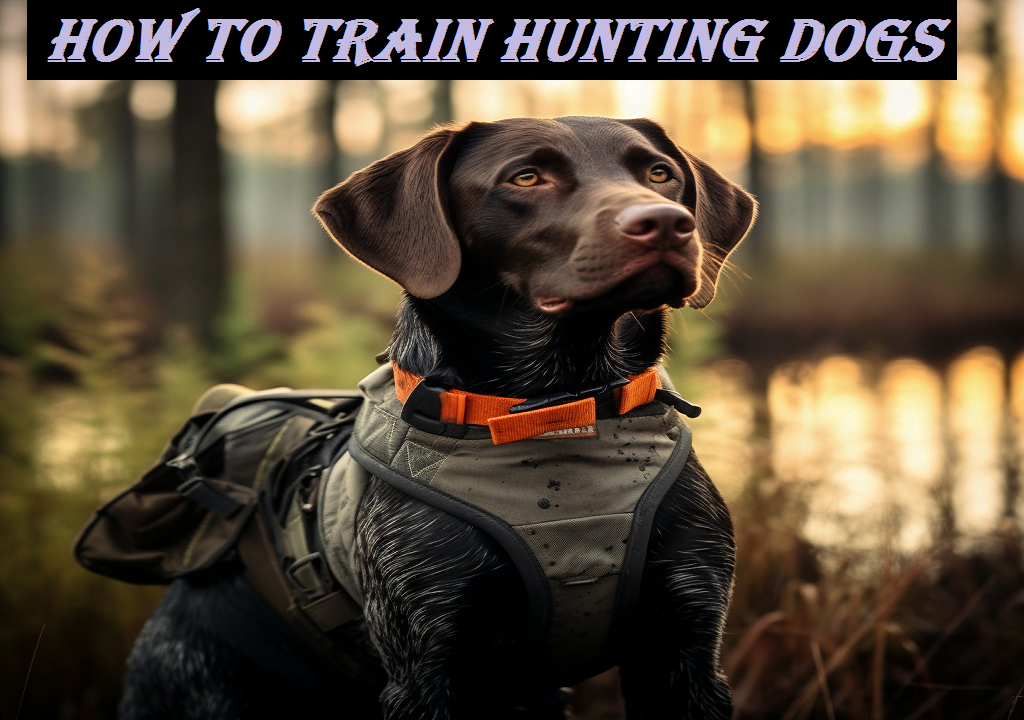
Training hunting dogs starts with obedience, trust, and field exposure before advanced hunting work. A good hunting dog needs recall, steadiness, confidence around cover and water, and enough control to work safely around people, birds, other dogs, and firearms.
This guide is a practical overview, not a replacement for a qualified trainer or a breed-specific program. Puppies, started dogs, retrievers, pointing dogs, flushing dogs, and hounds all need different training paths. Move slowly, protect the dog’s confidence, and match the work to the breed and the individual dog.
Table of Contents
Start With the Training Foundation
The first stage is not birds, guns, or advanced drills. It is building a dog that listens, trusts the handler, and can handle new places without falling apart. Short, positive sessions usually work better than long, frustrating sessions.
Basic puppy socialization, crate comfort, leash manners, name recognition, recall, and calm handling all matter later in the field. The AKC training resources are useful for general obedience and early dog-handling basics, even before hunting-specific work begins.
Match Training to Breed and Job
“Hunting dog” is a broad label. A Labrador working waterfowl, a German Shorthaired Pointer covering upland ground, a beagle trailing rabbits, and a spaniel flushing birds are doing different jobs. Training should match the dog’s purpose.
| Dog type | Main field job | Early training focus |
|---|---|---|
| Retriever | Find and bring back downed game | Recall, hold/deliver basics, water confidence, steadiness |
| Pointing dog | Locate and point birds | Recall, range control, bird exposure, steadiness |
| Flushing dog | Work close and flush birds | Close range, recall, quartering, control around birds |
| Hound | Track or trail game by scent | Recall where realistic, conditioning, tracking exposure, safe handling |
For versatile hunting dogs, groups such as the North American Versatile Hunting Dog Association can help owners understand field testing, breed purpose, and training expectations. Breed clubs and local trainers can also help you avoid one-size-fits-all advice.
Build Field Exposure Gradually
Field exposure should build confidence, not fear. Start with low-pressure walks through grass, brush, water edges, fields, and woods. Let the dog explore new surfaces, smells, and cover while staying connected to you.
Bird exposure, water work, and gunfire introduction should be handled carefully. Many owners work with a trainer for these stages because mistakes can create long-term problems. Do not surprise a young dog with loud noise or pressure it into water, cover, or birds before it is ready.
Core Obedience Skills
Recall
Recall is one of the most important safety skills. A hunting dog may need to return from cover, leave a distraction, or come back before crossing a road, fence, or property line. Build recall in easy places first, then add distance and distraction slowly.
Sit, stay, and place
Control positions help a dog calm down, wait, and reset. For retrievers, steadiness can become a major part of field safety. For other hunting dogs, control commands still help during travel, breaks, and handler decisions.
Leash and check-cord manners
A leash or check cord can help teach range, direction, and focus. Use tools to guide the dog, not to scare it. If you are unsure how to use training equipment, get help from a trainer before creating confusion or fear.
Calm handling
Hunting dogs need to tolerate paws, ears, mouth checks, grooming, vests, travel crates, and post-hunt inspections. Calm handling also helps you find cuts, seeds, ticks, or soreness after a field day.
Common Training Mistakes
- Rushing gunfire introduction: poor noise exposure can create fear that is hard to fix.
- Training too long: tired dogs make more mistakes and lose interest.
- Skipping obedience: field talent cannot replace basic control.
- Using pressure too early: confidence should come before correction-heavy work.
- Ignoring health: conditioning, hydration, paw care, and rest all affect performance.
Safe dog work also means safe hunting. Hunter education resources such as Hunter-Ed can help reinforce firearm safety, field awareness, and responsible hunting behavior around people and dogs.
FAQ
When should I start training a hunting dog?
Start with gentle puppy basics as soon as the dog comes home: name recognition, recall games, crate comfort, handling, and socialization. More formal field training should wait until the dog is ready for that pressure.
Can I train a hunting dog myself?
Many owners can build the foundation themselves, but a good trainer can help with bird work, gunfire introduction, steadiness, retrieving problems, and breed-specific issues. Getting help early is often cheaper than fixing bad habits later.
What is the most important command for a hunting dog?
Recall is usually the most important safety command. A dog that reliably comes back is easier to protect, control, and guide in the field.
Do hunting dogs need e-collars?
Not every dog needs one, and an e-collar should not replace foundation training. If used, it should be introduced carefully by someone who understands timing, low-level conditioning, and the risks of creating fear or confusion.
How long does hunting dog training take?
Training is usually measured in months and seasons, not days. The timeline depends on age, breed, temperament, handler skill, hunting style, and how often the dog gets useful practice.