Endurance Hunting: Fitness, Pacing, and Field Safety
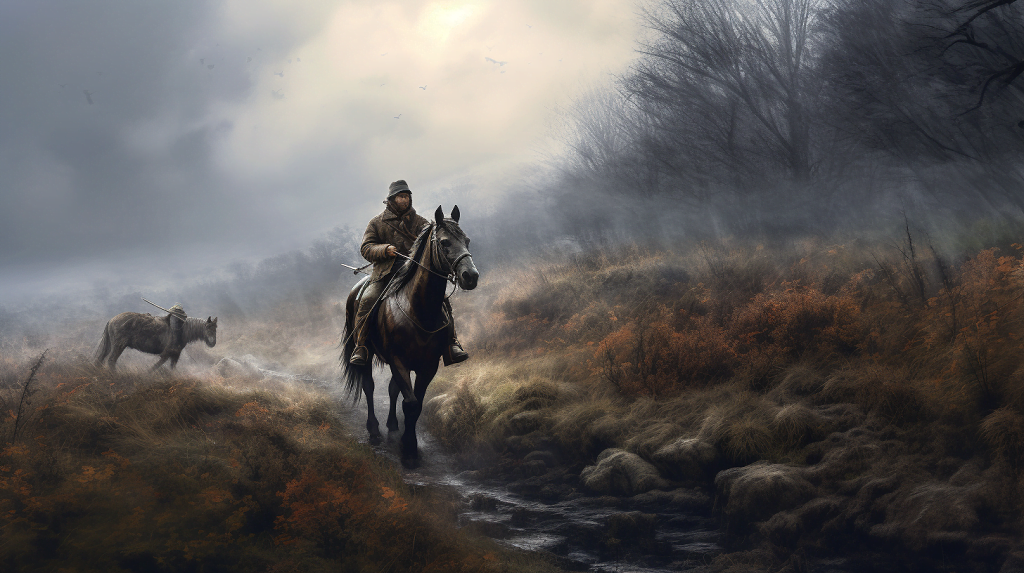
Endurance hunting today is best understood as preparing your body and field plan for long, demanding hunts. It is not about pushing animals or yourself past safe limits. It is about hiking under load, managing weather, staying hydrated, making careful decisions, and knowing when to stop.
This guide focuses on fitness, pacing, safety, and recovery planning for hunters who walk long distances, climb steep terrain, pack gear, or spend full days in the field.
Table of Contents
What Endurance Hunting Means Now
Modern endurance hunting is usually about the hunter’s stamina, not about running game to exhaustion. Long public-land walks, mountain hunts, backcountry scouting, upland bird hunting, and pack-outs can all demand conditioning and sound judgment.
Ethical hunting still comes first. Check legal rules, respect land access, avoid waste, and pass shots when fatigue affects judgment. Hunter education resources such as Hunter-Ed are useful for reviewing field safety and responsibility.
Fitness Foundation
Build fitness before the season. Start with walking, hills, stairs, light pack work, mobility, and basic strength. Add load and distance gradually. A hunt is not the place to discover that your boots, knees, back, or lungs are not ready.
| Area | Why it matters | Simple preparation |
|---|---|---|
| Cardio | Helps with long walks and climbs | Walk, hike, bike, or climb stairs regularly |
| Leg strength | Supports hills, uneven ground, and pack-outs | Squats, step-ups, lunges, loaded carries |
| Core and back | Helps carry gear and stay stable | Planks, carries, controlled pack walks |
| Mobility | Reduces strain from awkward terrain | Hip, ankle, and shoulder mobility work |
| Recovery | Prevents small problems becoming hunt-ending | Sleep, rest days, stretching, gradual mileage |
Pacing, Hydration, and Weather
Good pacing protects decision-making. If you start too fast, you may become tired before the best part of the hunt. Move at a pace that lets you observe sign, keep your footing, and still think clearly.
- Drink before you feel fully drained, especially in heat or at elevation.
- Carry enough food for the hunt plus a delay.
- Layer clothing so sweat does not chill you later.
- Turn around early if weather, fatigue, or injury changes the plan.
For general outdoor planning, the National Park Service 10 essentials are a helpful reminder that navigation, light, shelter, first aid, water, and weather protection matter on long days outside.
Pack Weight and Foot Care
Pack weight changes everything. A comfortable daypack at the truck can feel very different after miles of hills, heat, mud, or snow. Practice with the pack you plan to carry and trim items that do not support safety, legal requirements, field care, or realistic comfort; our day hunting pack checklist is a useful baseline.
- Break in boots before season.
- Carry socks suited to weather and distance.
- Address hot spots before they become blisters.
- Keep weight close to your back and balanced.
- Plan how you will pack out game before you take the shot.
Safety Plan Before You Go
Endurance hunts need a stronger safety plan because fatigue, distance, weather, and terrain can turn small problems into serious ones. Tell someone where you are going, when you expect to return, and what to do if you miss check-in.
Carry navigation that works without cell service, a headlamp, first aid, weather layers, and enough water or a legal water-treatment plan where appropriate; review how to read a compass before relying on it in unfamiliar country. For broad hunting context, the U.S. Fish and Wildlife Service hunting resources are useful, but state agencies remain the source for legal details.
FAQ
Is endurance hunting the same as persistence hunting?
No. In modern hunting discussions, endurance usually refers to the hunter’s physical preparation for long field days. This guide does not recommend chasing animals to exhaustion.
How fit do I need to be for hunting?
It depends on terrain, distance, elevation, weather, and pack weight. You should be fit enough to travel safely, make good decisions, and return or pack out without pushing beyond safe limits.
What should I train first?
Start with walking, stairs or hills, basic leg strength, and pack practice. Build slowly and use the boots and pack you plan to hunt with.
How do I avoid overpacking?
Pack safety, legal, navigation, water, food, field-care, and weather items first. Then trim comfort extras based on distance, risk, and the hunt plan.
When should I turn back?
Turn back when weather, injury, fatigue, navigation, daylight, or recovery risk makes the plan unsafe, and use the cold-weather hunting guide when temperature is part of the risk. Ending early is better than creating an emergency.